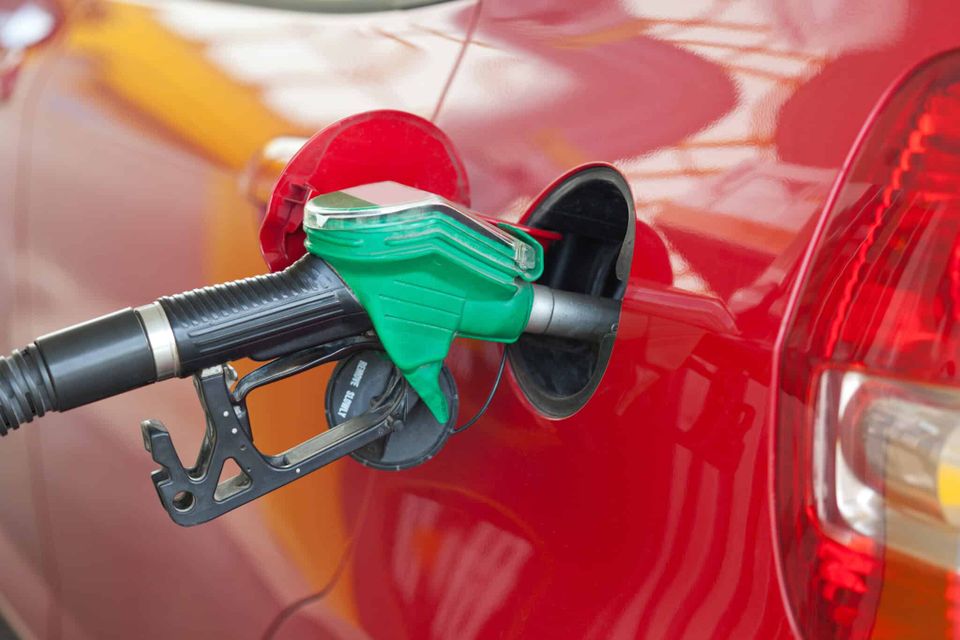
Israeli drivers will wake up tomorrow to a more expensive reality at gas stations. The price of a liter of self-service 95-octane gasoline will rise by 52 agorot at midnight tonight (between Wednesday and Thursday), reaching NIS 8.27 per liter, as set by the Fuel and Gas Administration at the Energy Ministry.
The current increase will be clearly felt in consumers' wallets. Filling a 40-liter tank will cost NIS 20.8 more, filling a 50-liter tank will cost NIS 26 more, and drivers will pay an additional NIS 31.2 for a 60-liter tank. The Energy Ministry stresses that this is a maximum price and recommends comparing prices among different stations.
How Is the Fuel Price Set in Israel?
Many mistakenly believe that the fuel price is set directly according to the global price of a barrel of crude oil, but the government formula is based on the price of refined gasoline in the Mediterranean basin. This price is affected by demand, refinery disruptions and global refining capacity. In addition, because gasoline is purchased in dollars, the shekel's exchange rate against the U.S. currency plays a central role in determining the final price.
The calculation itself is not based on a single day but on the average of five designated trading days at the end of each month. In the current update, the international gasoline price jumped by about 13%, while the dollar strengthened by about 3% against the shekel. The combination of these two factors, alongside concerns in the global energy market about supply disruptions and transportation bottlenecks, led to the sharp price increase.
Where Does the Money You Pay Go?
A huge portion of the fuel price consists of local taxes. The excise tax is a fixed amount per liter, and in the June 2026 update it stood at NIS 3.61, accounting for about 46% of the consumer price. Value-added tax is added to it as a percentage of all components. When the global fuel price rises, the amount of VAT in shekels also increases accordingly, making refueling even more expensive.
In addition to taxes and the international component, the formula also includes gas stations' regulated basket of marketing expenses, which stood at 64 agorot per liter in June 2026. The state recently reduced the excise tax by 50 agorot per liter under a temporary order valid through the end of October, but the jump in the international price and the dollar exchange rate offset the reduction and pushed the price to a record high.
Ultimately, the fuel price at gas stations is the result of a complex chain of local and global factors. It begins with the global price of refined gasoline, is converted into shekels according to the exchange rate, and then the basket of marketing expenses, the fixed excise tax and percentage-based VAT are added. Any change in one of these components directly affects the amount Israeli drivers pay each time they stop to refuel.