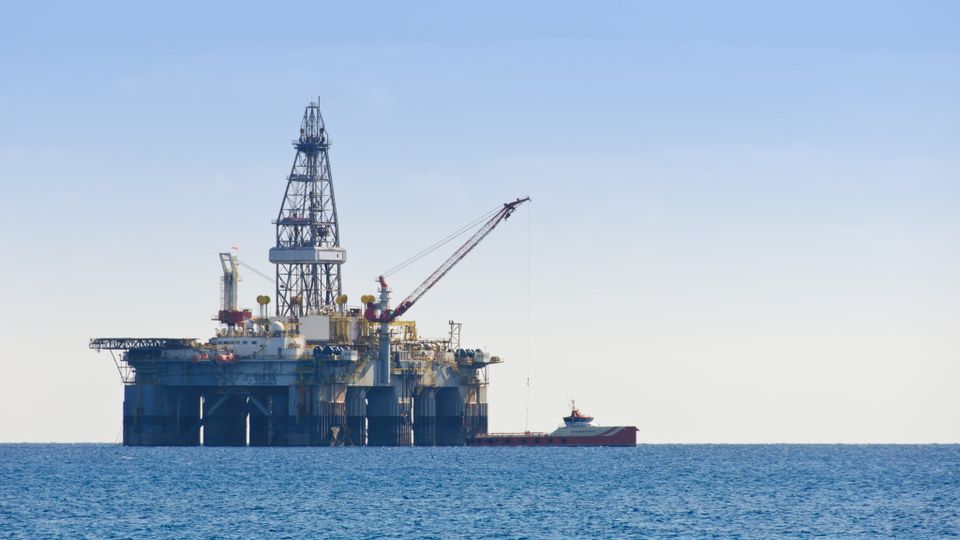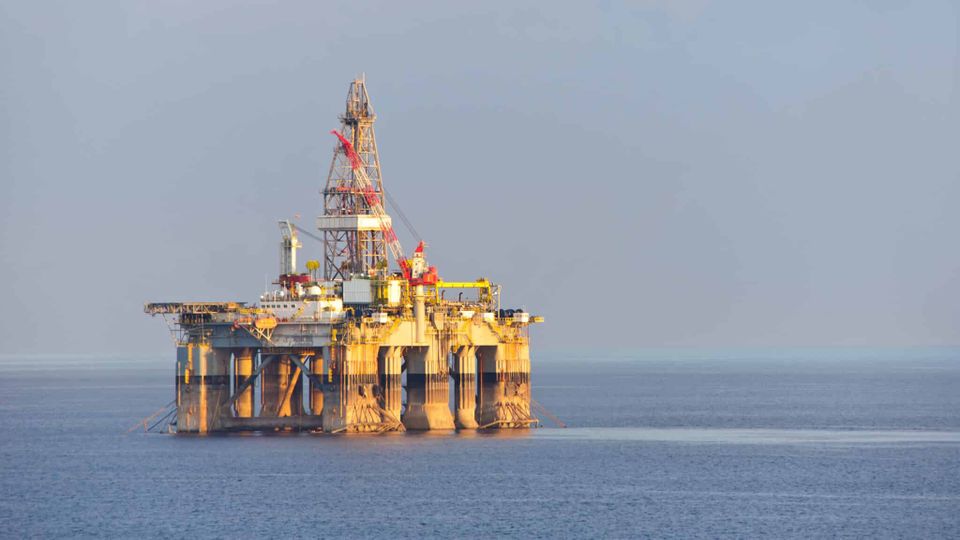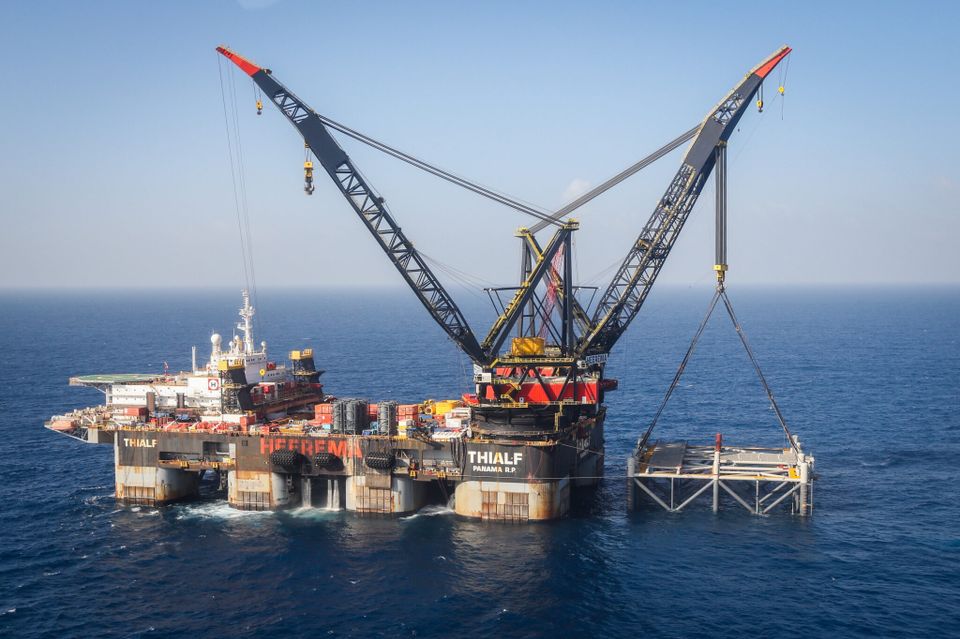
Significant news for Israel's energy market: Competition Commissioner Adv. Michal Cohen has decided to grant an exemption from approval of a restrictive arrangement for the long-term natural gas supply agreement signed between the partners in the Leviathan reservoir, NewMed Energy and Ratio Energies, and Dalia Energy Companies.
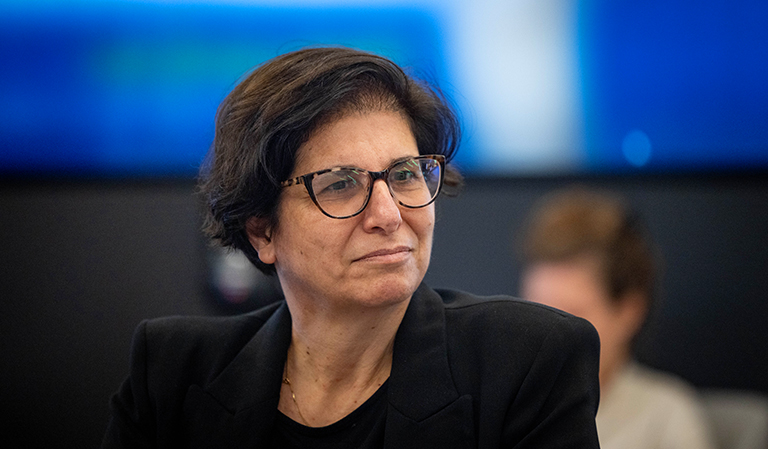
The transaction, estimated at a massive value of about $6.7 billion, is intended to ensure the supply of gas to new power plants to be built by Dalia. However, the authority decided not to grant a blanket exemption for all the agreement's terms and left one key clause for the parties themselves to examine.
Agreement Details: 20-Year Supply Worth Billions of Dollars
The agreement is intended to secure natural gas from the Leviathan reservoir for two new combined-cycle electricity generation units, each with a capacity of about 850 megawatts, to be built at the Tzafit power plant site and at the Eshkol site in Ashdod. Gas deliveries are scheduled to begin on January 1, 2030, and the agreement is expected to remain in effect for 20 years from the start of commercial operations.
The gas supply was set on a firm basis, with an initial annual volume of about 1.3 BCM. Beginning in the first half of the next decade, between 2034 and 2035, the annual volume is expected to increase to about 1.7 BCM. The agreement's pricing mechanism was linked to the general electricity tariff, in accordance with the Leviathan partners' commitments under the export approval granted to them.
Economic Analysis: The Need for Certainty Versus Concerns About Market Exclusivity
In her decision, the competition commissioner noted that Israel's gas supply market remains concentrated and is based on only three active reservoirs — Leviathan, Tamar and Karish-Tanin — with Leviathan holding the largest gas reserves among them.
Long-term agreements and minimum purchase commitment mechanisms (Take or Pay) generally raise concerns about creating de facto exclusivity and blocking new players from entering the gas exploration and production sector.
However, the Competition Authority was persuaded that, under the circumstances of this specific transaction, concerns about harm to competition had been alleviated. Among the considerations cited as leading to this conclusion were the projected growth in natural gas demand in the domestic market, the need of electricity producers and financiers for long-term cash flow certainty to establish capital-intensive infrastructure, and mechanisms allowing a reduction of up to 30% in the contracted gas volume beginning in 2041 if the parties fail to reach an agreement on a price adjustment.
In addition, the commissioner emphasized the importance of gas being sold separately by some of the reservoir partners, NewMed and Ratio, without the involvement of operator Chevron, allowing for a degree of competition in supply.
Authority's Reservation: Secondary Trading Issue Remains Open
Despite approving the main provisions of the agreement, a minor dispute arose over the restriction limiting Dalia's ability to sell surplus gas to third parties through secondary trading. The Competition Authority clarified that, unlike in the past, professional officials at the Energy Ministry, the Natural Gas Authority and Israel Natural Gas Lines have stated that there is currently no operational or pipeline capacity constraint that would justify such a restriction.

After NewMed failed to provide sufficient justification for the secondary trading restriction and referred to a notice canceling the agreement without withdrawing the exemption request, the commissioner decided not to grant an exemption for this provision. The parties to the agreement will now be required to determine for themselves whether this restriction meets the conditions of the block exemptions established by law.