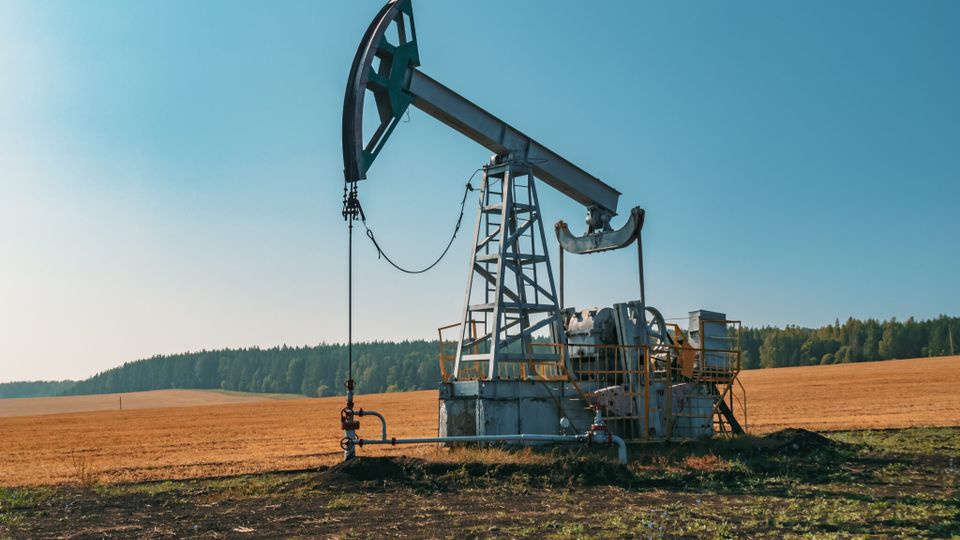
Oil prices reversed course this morning (Monday) and continue to climb, despite statements by US President Donald Trump about understandings between Russia and Ukraine regarding a halt to attacks on energy infrastructure.
Brent crude for December delivery rose more than 1.1% and crossed the $105.9-per-barrel mark, while US crude (WTI) for November delivery is climbing toward $93 per barrel.
The sharp volatility comes amid growing market doubts about the ability to achieve sustainable growth in the global oil supply, alongside escalating tensions in other regions of the Middle East and off the US coast.
Kyiv Accuses Russia of Violating the Agreement
Ukrainian President Volodymyr Zelenskyy accused Russia of violating the “energy ceasefire” before the ink on the announcement had even dried, following a Russian strike on a thermal power plant in the city of Kharkiv, according to a Reuters report.
Zelenskyy, who said he learned of the agreement from the media, called on the United States to ensure that Moscow does indeed honor its promises.

Meanwhile, the European Union expressed considerable skepticism about Russia’s willingness to abide by the agreement and even approved a new wave of sanctions against Moscow’s military-industrial complex, as reports indicate that heavy US pressure was applied to Kyiv to stop attacks on Russian refineries.

Trump’s statements on social media about an immediate agreement between Moscow and Kyiv initially raised expectations of an easing of the global shortage and a resumption of Russian diesel supplies, following previous promises of a deal to supply millions of tons of diesel to the global market. However, concerns that the agreement will collapse on the ground and the fact that Kyiv is warning against granting the Russians a unilateral advantage quickly restored the risk premium to futures contracts.
Middle East and Hurricane Isaac Raise the Risk Premium
Beyond the Eastern European arena, pressure on oil prices is being fueled by a parallel security escalation in the Middle East. The Saudi-led coalition reported a new barrage of drone and missile attacks by the Iran-backed Houthi rebels in Yemen.
These attacks come after a deadly incident in Riyadh that sharply increased the regional risk premium, despite diplomatic contacts between Iran and Saudi Arabia aimed at exploring avenues for dialogue.

Meanwhile, the geographic arena is also being significantly affected by natural disasters in the Western Hemisphere. Hurricane Isaac, which strengthened to Category 3 with powerful winds, is rapidly approaching the Gulf of Mexico.
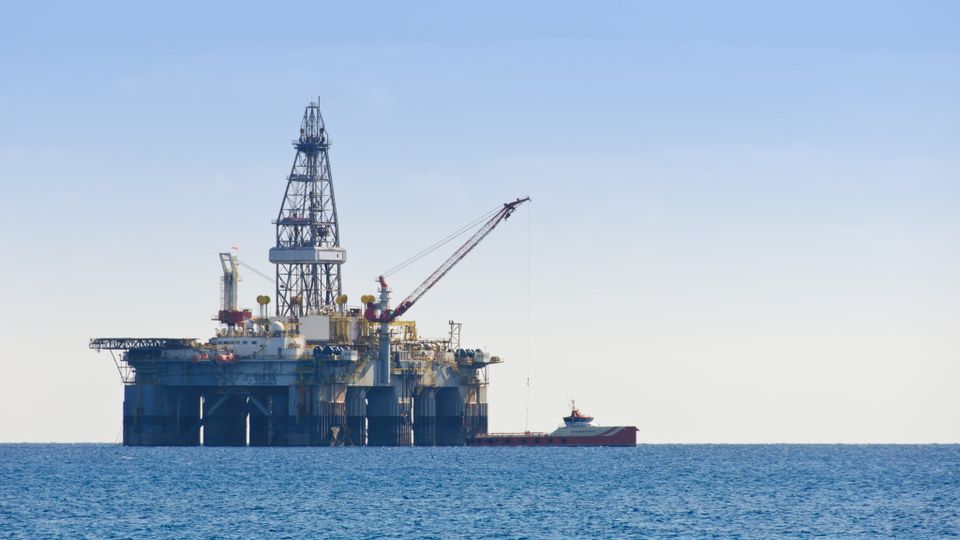
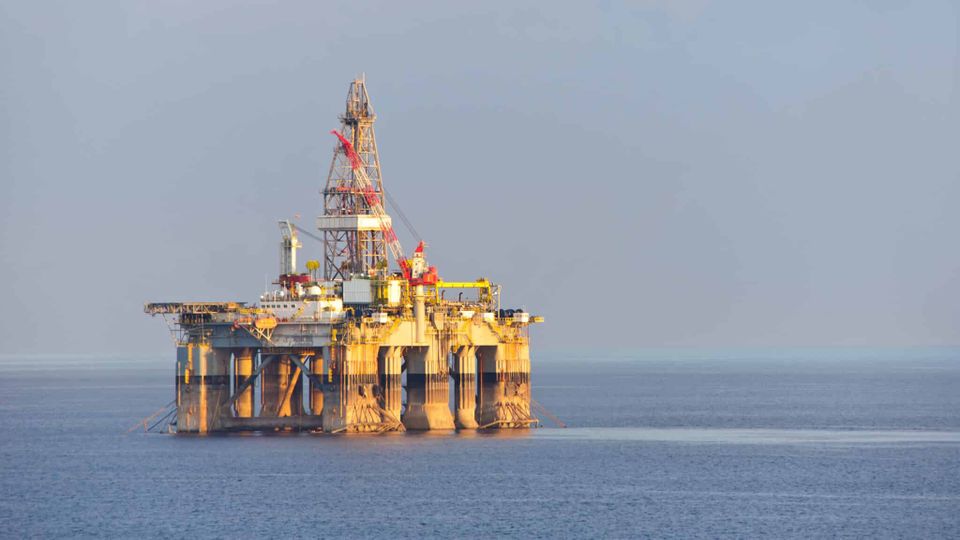
As a result, energy companies operating in the region were forced to scale back and suspend some of their offshore oil extraction operations. The combination of the potential disruption to US supplies and the high security tensions in the Persian Gulf has led analysts to assess that oil prices will remain volatile and biased upward in the near term.