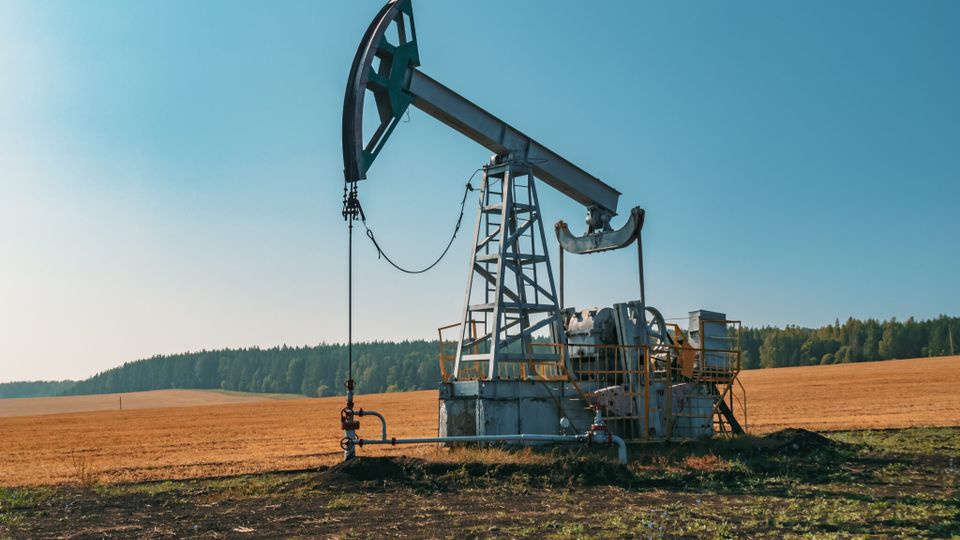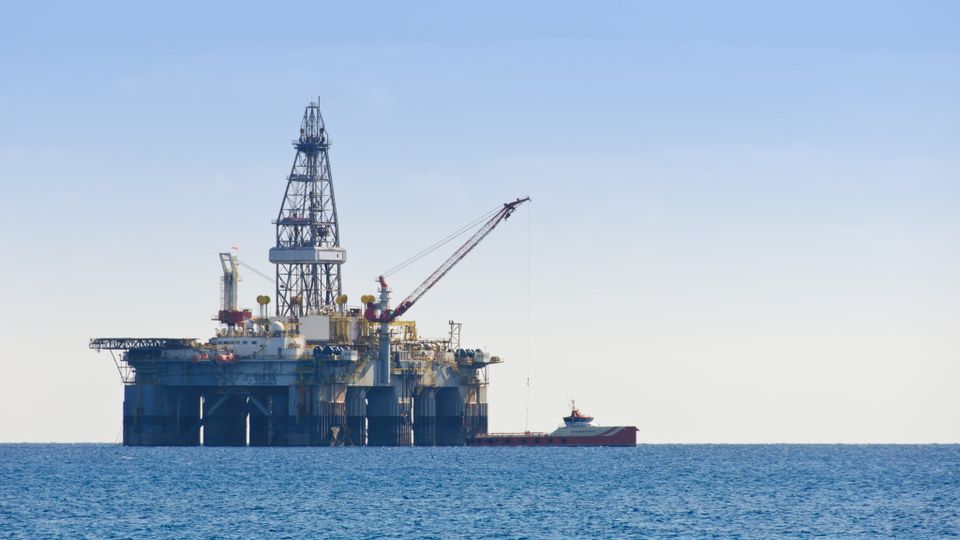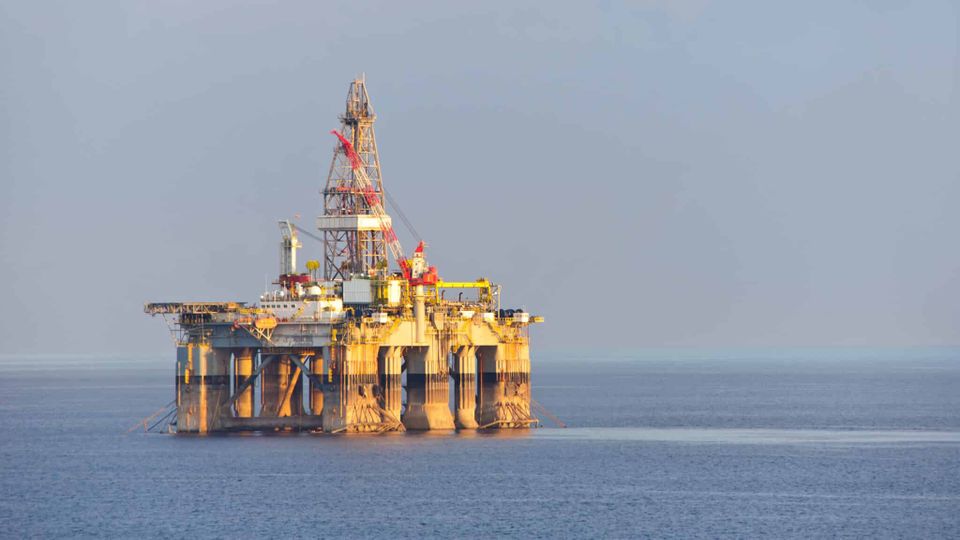
Crude oil prices fell in trading as investors worldwide sought to balance expectations of increased Russian diesel supplies in international markets against growing concerns over a serious security escalation in the Middle East.
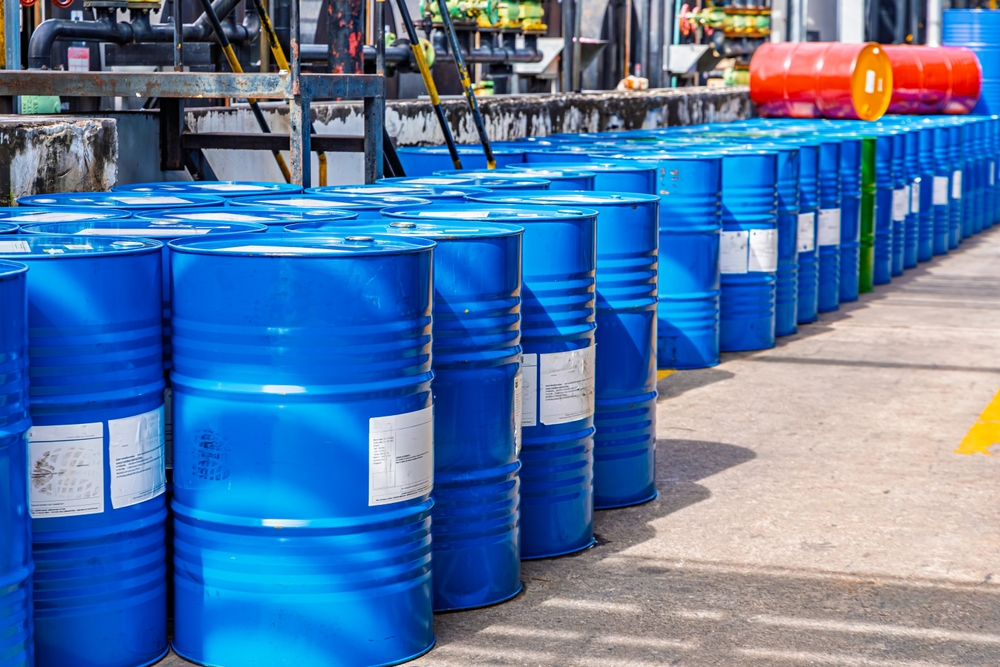
Against this backdrop, Brent crude futures fell by about 1.5% to around $105 a barrel, while US WTI crude posted a similar decline and traded at around $92 a barrel.
US Approval and the Political Storm
The main factor pushing prices lower was US President Donald Trump’s announcement of a temporary easing of restrictions imposed on diesel supplies from Russia.
Under the agreement, Russia will be able to supply diesel to the US and global markets for a period of six months. The move has drawn sharp criticism from lawmakers on both sides of the aisle in Washington, who fear an erosion of the sanctions regime imposed on Moscow following the war in Ukraine.
Oil prices fall following announcement of an agreement between Russia and Ukraine
Trump, for his part, made clear that this was the right decision for the American people, citing the enormous sums the European Union pays for energy imports from Russia.
Trump on Russia-Ukraine Talks
Against the backdrop of the energy measures, President Trump was asked about reports that Russia and Ukraine had agreed to a ceasefire — a claim denied by both sides.
Watch His Remarks:
"You said Russia and Ukraine agreed to a ceasefire, but both sides say they have not agreed to that…"
@POTUS: "They agreed. You know why? Because I said, 'You agree' — that's why. They agreed because I said they agreed, and that thing has to get settled." https://t.co/M8womZ8UBZ
— Rapid Response 47 (@RapidResponse47) October 12, 2026
In a forceful and unequivocal response, Trump said: "They agreed. You know why? Because I said, ‘You agree’ — that’s why. They agreed because I said they agreed, and that thing has to get settled." These remarks illustrate the intense pressure the White House is applying to end the fighting, a move that is also directly affecting volatility in energy markets.
Banks Doubt the Move’s Effectiveness
Despite the immediate decline in prices, investment bank Goldman Sachs estimates that the additional Russian diesel will not lead to a significant easing of pressure on global fuel prices. The bank estimates that a wave of refinery shutdowns in Russia is limiting Moscow’s ability to increase output in practice.

Meanwhile, the global diesel market continues to suffer from a severe shortage after seven consecutive months of declining global production, alongside a sharp drop in reported inventories in the United States and China.
Escalation in the Gulf Limits the Declines
What prevented a steeper plunge in oil prices was the precarious security situation in the Middle East. A deadly attack by Yemen’s Houthi rebels on Kangar Riyadh International Airport in Saudi Arabia, which claimed the lives of dozens of people and left hundreds injured, marked a serious escalation in the regional conflict.
Concerns over damage to vital energy infrastructure in Saudi Arabia and shipping routes in the Gulf continue to provide a safety net for prices and offset downward pressure.