

The Electricity Authority proposes allocating up to 1,000 megawatts for connecting new data centers in Israel, alongside an additional quota of 300 megawatts that will be reserved for local needs and allocated later according to specific criteria. According to the authority, implementing the allocation, in addition to the 2,000 megawatts already allocated, could result in data centers accounting for about 20% of electricity consumption in the country — a rate that would place Israel among the world's leading countries in the field.
The proposal, whose details will be published on the Electricity Authority's website in the coming days and opened for public comment, is intended to enable the continued development of computing and artificial intelligence infrastructure while maintaining the stability of the electricity system and ensuring a regular supply for all consumers.

Screening Applications and Limiting the Scope of Connections
The proposed quota for connecting data centers to the country's electricity system will be up to 1,000 megawatts, while the allocation for local needs will be limited to facilities of up to 200 megawatts each, with the aim of maintaining system stability. The authority will also examine the feasibility of the projects through dedicated mechanisms.
The move comes after the authority issued a temporary order last July instructing the system operator, Noga, to stop responding to data center connection applications while the matter was reexamined. This followed warnings from the system operator and exceptional connection applications totaling about 27,000 megawatts.
Following a review that included meetings with developers and technology companies, international comparisons and cooperation with government entities, including the Artificial Intelligence Directorate in the Prime Minister's Office and the energy, finance and justice ministries, the authority formulated its proposal for connecting data center consumers with capacity exceeding 8 megawatts.

To prevent developers from reserving grid capacity without the actual ability to build the projects, the authority proposes setting threshold requirements. Among other things, developers will be required to provide guarantees of about NIS 2 million for each megawatt of connection capacity, meet schedules for completing the connection work and present appropriate statutory approvals, alongside compliance with additional technical requirements.
The requirements will also include backup measures and self-generation capacity that will allow data centers to participate in a load-shedding mechanism — a deliberate reduction in electricity consumption during extreme events to prevent harm to system stability.
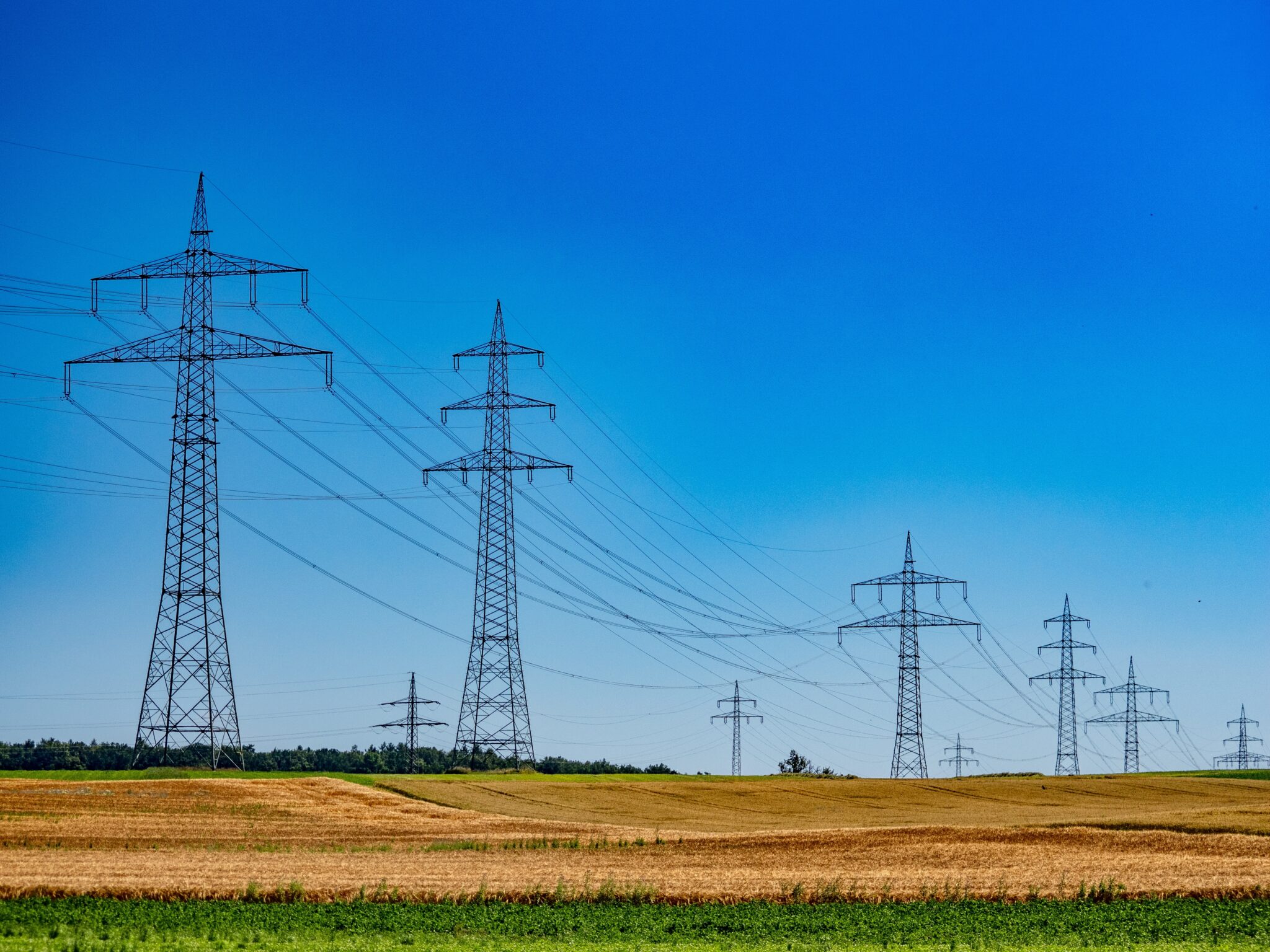
Will Data Centers Make Electricity More Expensive?
The Electricity Authority emphasizes that the proposal seeks to balance the country's needs with the desire to promote innovation, investment and infrastructure in artificial intelligence. According to the authority, electricity systems in many countries are coping with rapid growth in demand for electricity from data centers and the accompanying challenges involving supply reliability and regulation.
The authority and Noga are conducting ongoing assessments of the risks and opportunities, taking into account the needs of households, transportation and industry, as well as natural growth in electricity demand.
According to the authority, no significant impact on consumer electricity rates is expected at this stage, and because of the stability of Israel's electricity sector, there is currently no need for complex mechanisms to protect rates, as has been done in other countries, including the United States. However, the authority will continue to monitor developments and update its decisions as needed.
The proposed decision will be published on the authority's website in the coming days, and the public will be able to submit comments. The authority is also expected to examine additional criteria for allocating capacity among applications that meet the threshold requirements. If such criteria are established, they will be published for an additional comment process.