
The Ministry of Finance and Water Authority are advancing the construction of another seawater desalination plant in the Western Galilee, with a planned production capacity of about 100 million cubic meters a year. The special seawater desalination tender committee in the Accountant General’s Department at the Ministry of Finance published the prequalification documents for the international tender to design, finance, build, operate and maintain the plant.
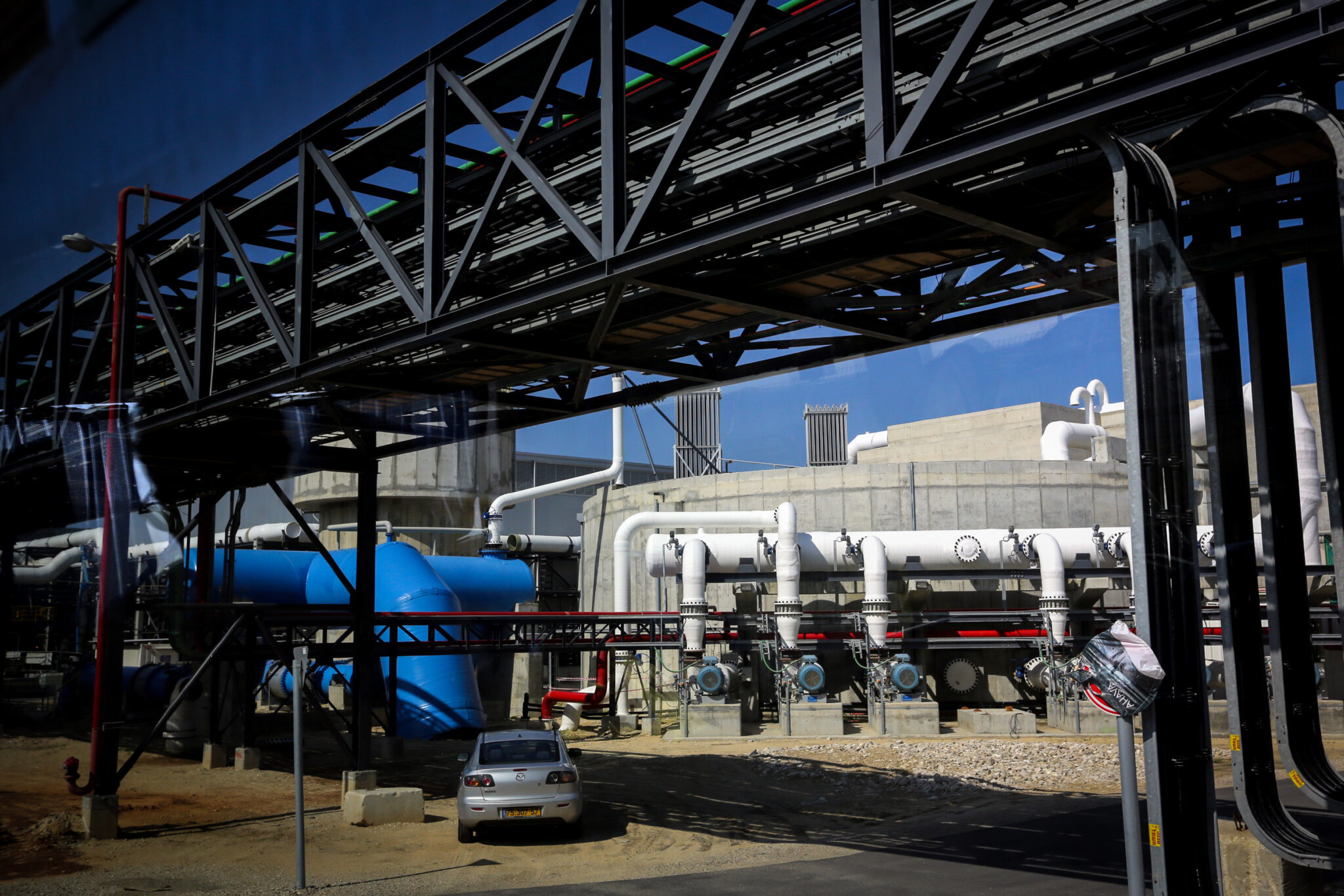
The plant is planned for construction south of Nahariya, near another desalination plant in the Western Galilee that is in advanced stages of construction. Once both plants are completed, the site’s total desalination capacity is expected to reach about 200 million cubic meters of water a year.
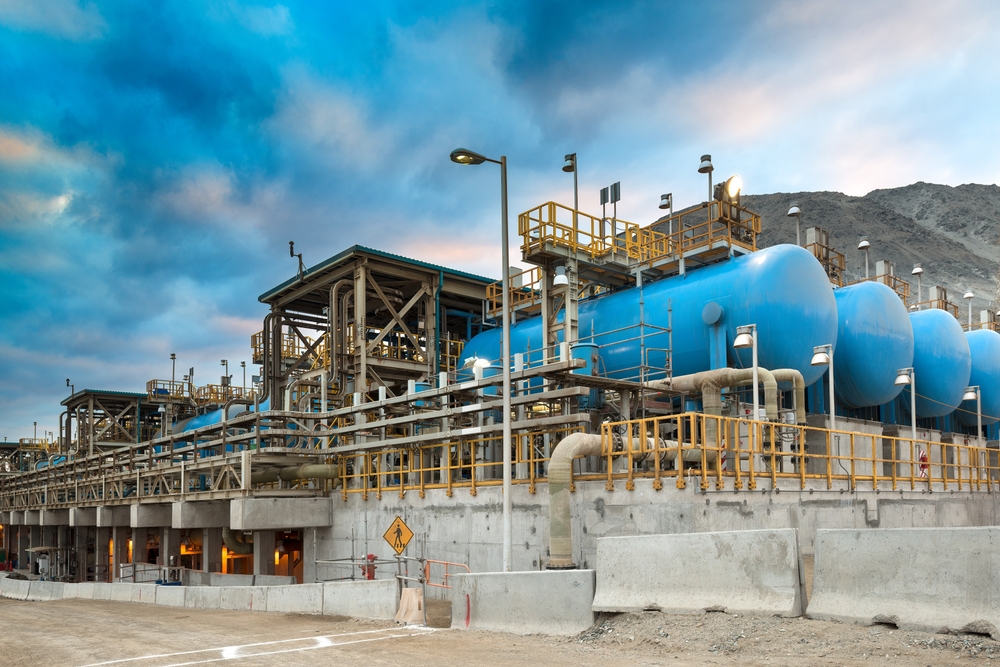
Target: 1.5 Billion Cubic Meters of Desalinated Water a Year
The project is part of a national plan to increase Israel’s desalination capacity, designed to address growing water demand amid population growth and climate change and to strengthen the ability to ensure a continuous water supply even during crises.
Under the plan, the production capacity of Israel’s desalination plants is expected to increase from about 800 million cubic meters of desalinated water a year today to about 1.5 billion cubic meters at the beginning to the middle of the next decade. The plan includes, among other things, completion of the existing plant in the Western Galilee, upgrading and expanding the Ashkelon desalination plant, and building a new plant in the Hefer Valley.
Expanding the desalination system is also intended to increase redundancy in the water system, distribute desalination plants along the coastline and reduce dependence on natural water sources. The initiative is being advanced in accordance with the policies of the government and the Water Authority, including Government Resolution No. 4209 from June 2026 on desalination targets and increasing the planning inventory of seawater desalination plants.
25-Year Concession
Publication of the prequalification stage is the first step in the tender process to select a concessionaire that will be responsible for designing, financing, building, operating and maintaining the plant for 25 years. The project will be carried out as a public-private partnership (PPP).
During the prequalification stage, the professional, engineering and financial capabilities of groups from Israel and abroad will be examined, alongside their experience in building and operating desalination plants and complex engineering projects of similar scope. Groups that meet the threshold requirements will be invited to submit bids in the next stage of the tender.
Ministry of Finance Accountant General CPA Michal Abadi-Boiangiu said the plant’s construction is part of a national initiative to increase desalination capacity, strengthen infrastructure redundancy and ensure continuity of the water supply even in extreme scenarios. She said the department would continue advancing strategic infrastructure projects by integrating private-sector capabilities, competition and innovation.
Water Authority Director Yehezkel Lifshitz said increasing desalinated water production capacity would make it possible to preserve natural water sources and strengthen Israel’s strategic reserves. He said diversifying water sources and distributing them geographically are key components in maintaining the stability of the water sector and its ability to cope with extreme scenarios.