
Crude oil prices are falling this morning (Tuesday) amid a wave of regional diplomatic contacts that is raising hopes of easing military tensions in the Middle East.
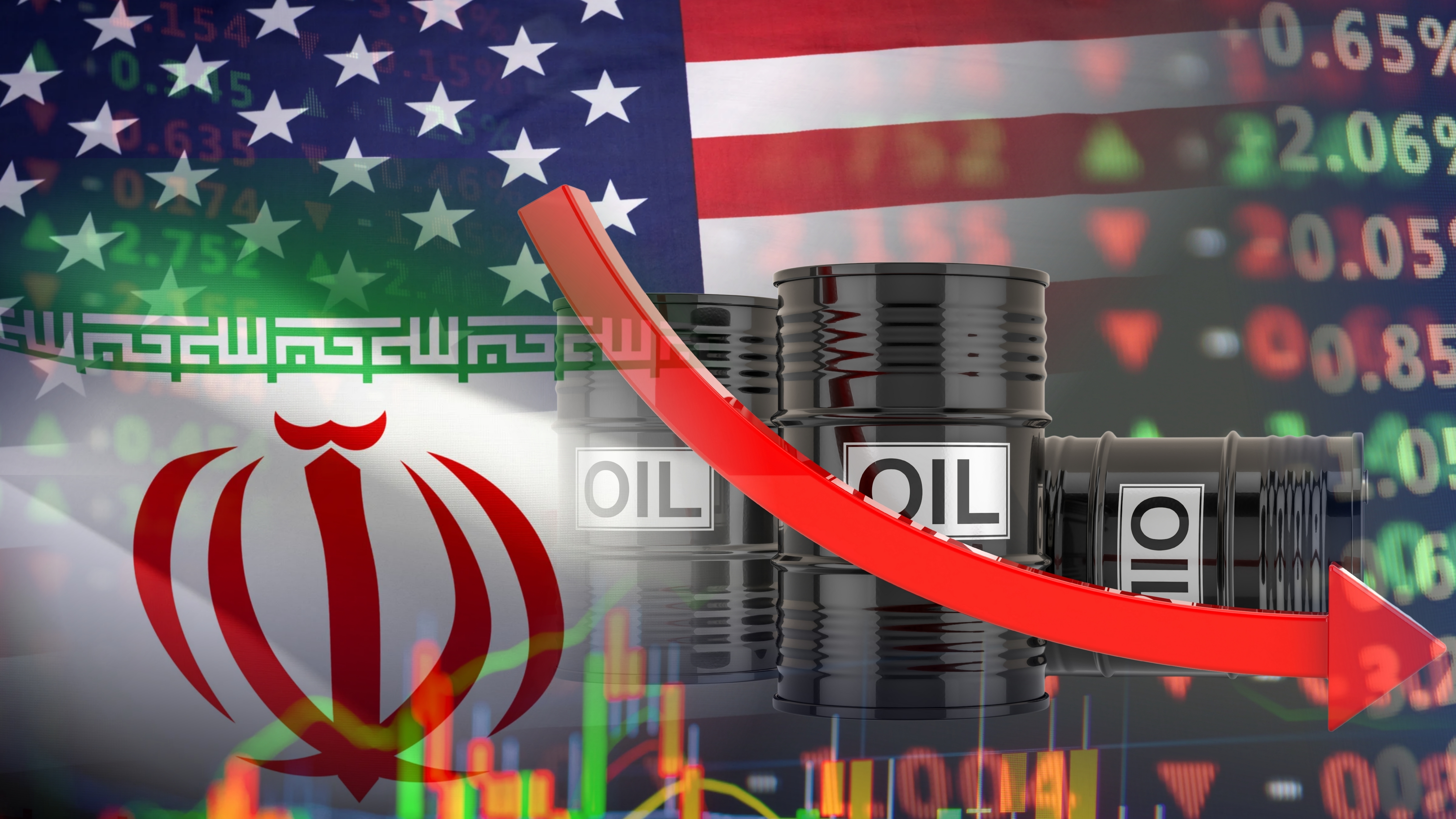
Serious concern over prolonged damage to shipping routes and energy facilities has given way to cautious optimism among traders, leading to profit-taking and declines in the leading benchmarks.
Futures Trading Overview
Energy exchanges are recording a moderate negative trend. The global Brent contract for December delivery is down about 0.8% and trading at around $110 a barrel.
Meanwhile, U.S. WTI crude is posting a similar decline of about 0.9% and trading around the $100-a-barrel mark. This represents stabilization after a period of exceptional volatility and concern over an uncontrolled surge in global energy costs.
Four-Way Summit in Tehran
The main factor driving prices is a round of talks held in Tehran among officials from Iran, Saudi Arabia, Turkey and Pakistan.
According to reports, the meeting was intended to keep communication channels open and prevent a further deterioration in the broader conflict between the United States and Iran.
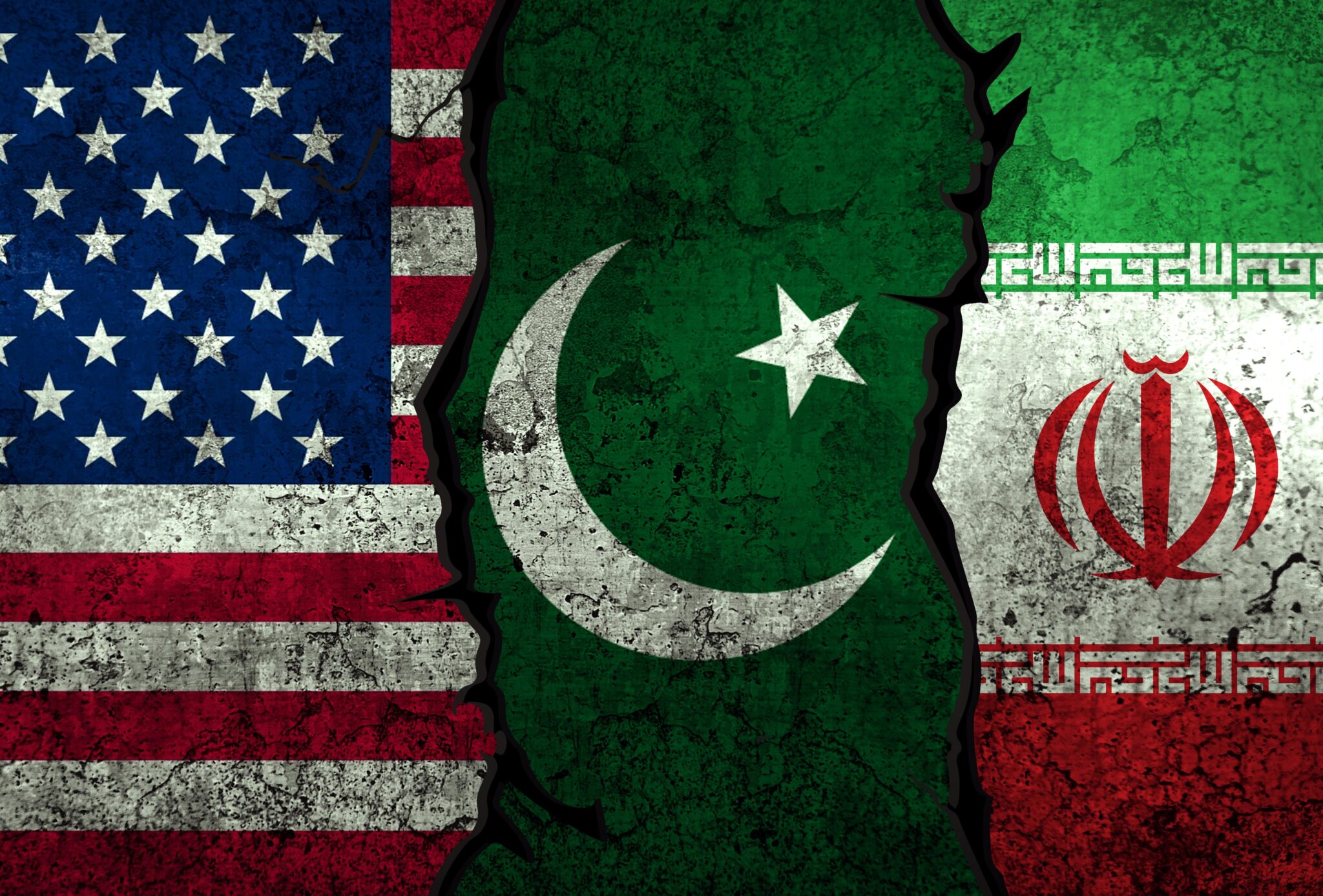
Riyadh emphasized the importance of dialogue in preventing broader escalation, and the parties agreed to continue contacts aimed at promoting security and stability in the region.
Qatar is also conducting mediation efforts, with its representatives visiting the Iranian capital as well.
Washington at a Decision Point
Markets are closely watching the White House after President Donald Trump said he was nearing a strategic decision: reach an agreement with Tehran or intensify military activity.
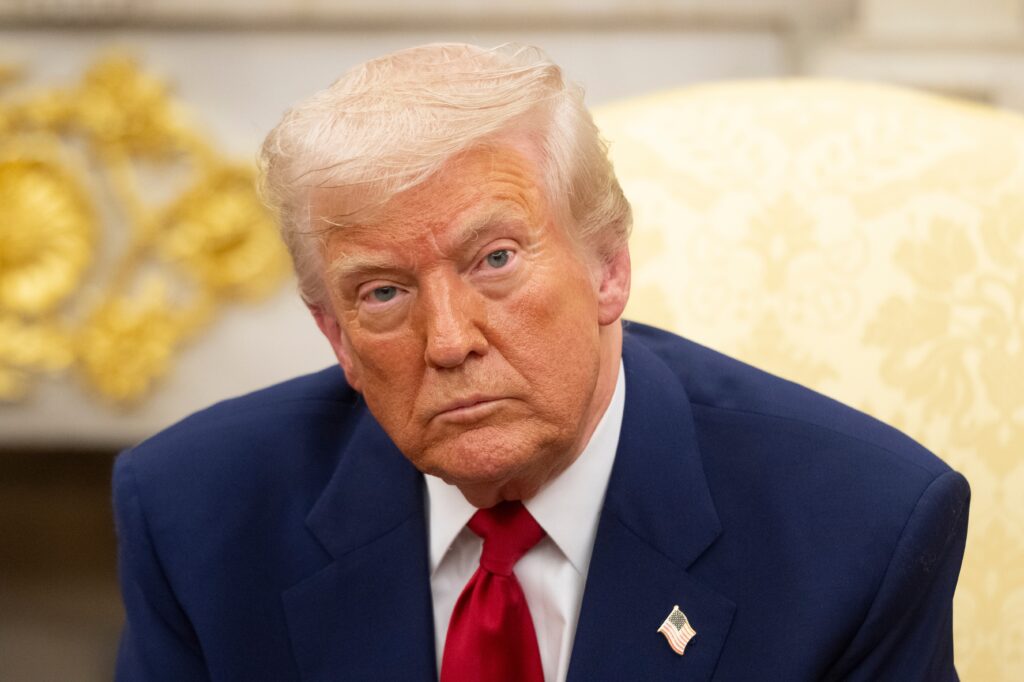
Although the possibility of further strikes remains on the table, the opening of a diplomatic channel has, for now, curbed the buying frenzy in futures.
Fragility Prevents a Sharp Plunge
Despite the declines, the moderation in prices is limited. Investors understand that the prospect of a sustainable arrangement remains especially fragile, primarily against the backdrop of continued attacks by Iran-backed Houthi rebels against targets in Saudi Arabia.
As long as military uncertainty persists on the ground, the oil risk premium is expected to remain significant.