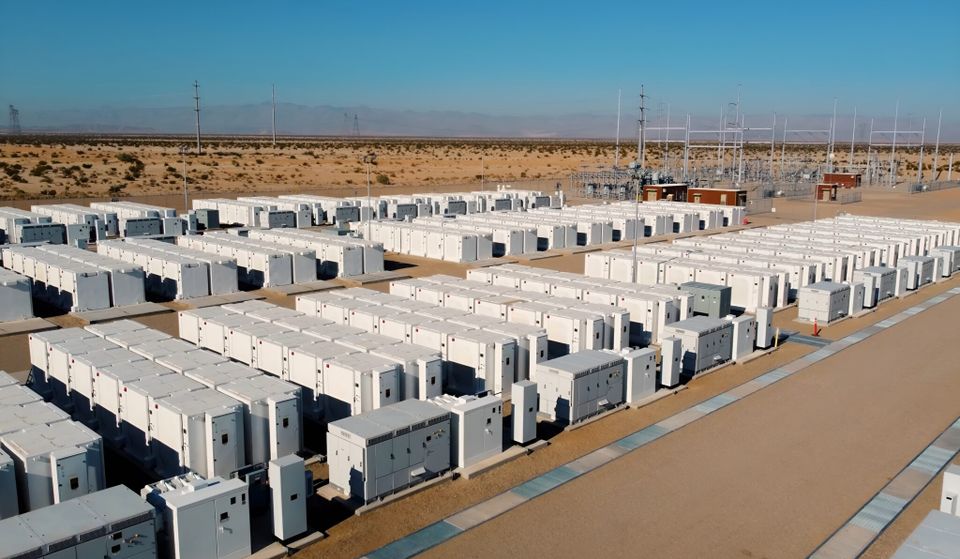
Will electricity storage systems replace diesel generators in residential buildings? An economic review conducted by the Energy and Infrastructure Ministry indicates that storage systems could be a more cost-effective alternative to generators used to back up essential building systems during power outages. Alongside the potential cost savings, storage systems could reduce noise and air pollution and enable more efficient use of electricity during routine operations as well.
The Energy and Infrastructure Ministry, together with the Planning Administration, is advancing an amendment to regulations that would allow storage systems to be installed instead of generators in shared residential buildings, in accordance with a government decision on the matter. Generators are currently required to ensure the operation of essential systems during power outages.
How Much Can Be Saved?
The review examined the installation, operation and maintenance costs of generators compared with storage systems over 20 years in three types of new buildings. The results indicate that economic viability varies according to the building's characteristics.
In a building of up to nine stories with aboveground parking, the storage system costs about NIS 21 thousand less than the generator over the period. In a building of up to nine stories with an underground parking garage, the storage system costs only about NIS 5,000 more. In a building of up to 20 stories with an underground parking garage, the gap in favor of the generator is about NIS 38 thousand.
However, according to the model's assumptions, the expected continued decline in battery prices could make storage systems the cheaper alternative in all three types of buildings examined.
Less Noise and Pollution, More Options for Electricity Management
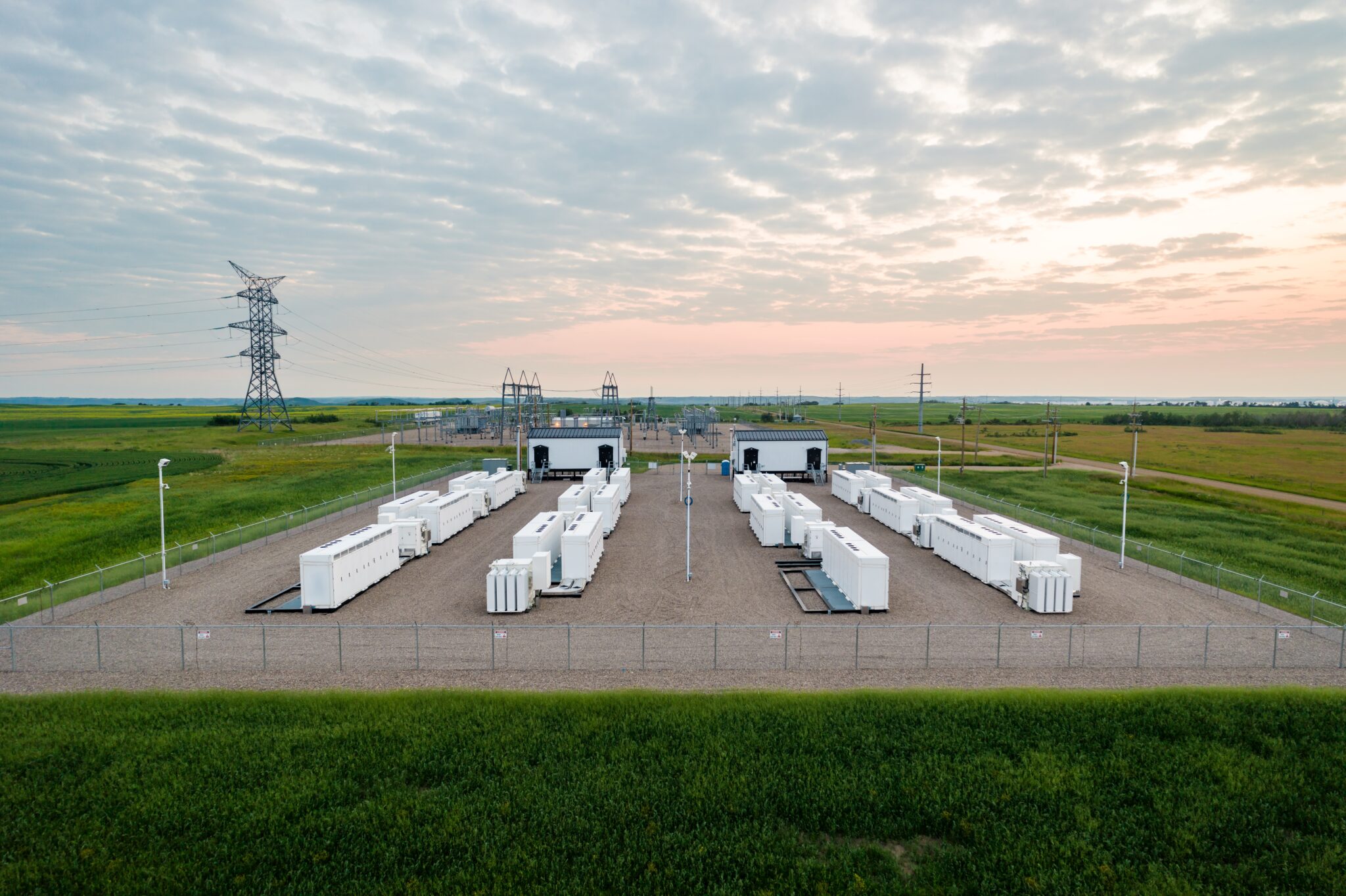
Storage systems also have advantages beyond cost. Diesel-powered generators create noise and emit air pollutants while operating, alongside the risk of fuel leaks. Storage systems do not burn fuel on-site when supplying electricity and could therefore reduce environmental nuisances, particularly in densely populated urban areas.
Another advantage is the ability to continuously monitor storage systems, identify malfunctions in advance and track the condition of the battery, inverter and control systems. This can improve preparedness for power outages, although storage systems also require proper maintenance and management.
The System Could Also Save Money During Routine Operations
Unlike a generator, which is used primarily during power outages, a storage system with suitable capacity can provide backup for essential systems in the building and also be used during routine operations. Smart management of electricity consumption and taking advantage of differences between rates at different times can reduce electricity expenses for common areas and even generate additional economic value.
Installing storage capacity beyond what is required for emergency needs could expand the savings opportunities. Combining the system with local electricity generation facilities, such as solar panels, could further improve energy management in the building.
The Energy and Infrastructure Ministry estimates that technological advances and the continued decline in battery prices could improve the economic viability of storage systems in the coming years. However, the extent of the savings depends on the building's characteristics, installation costs and how the system is used.