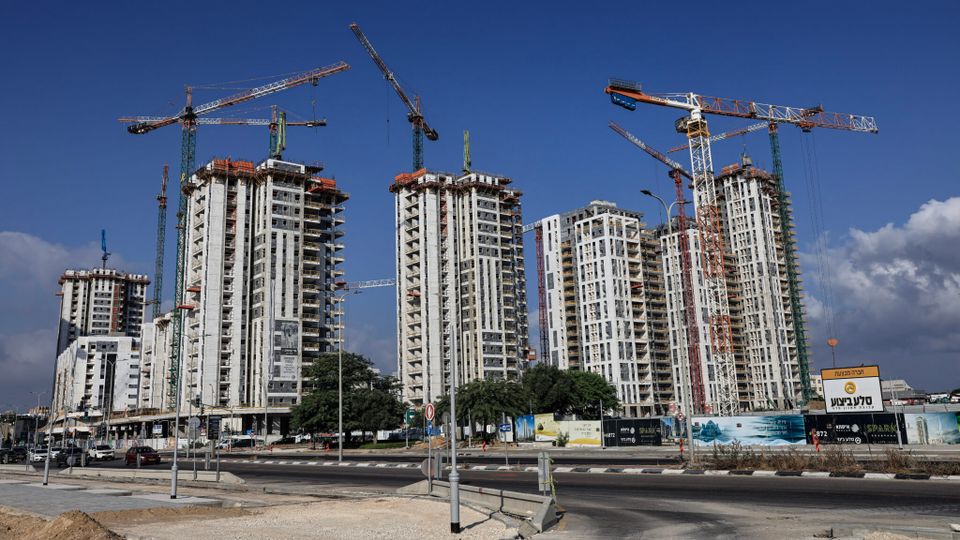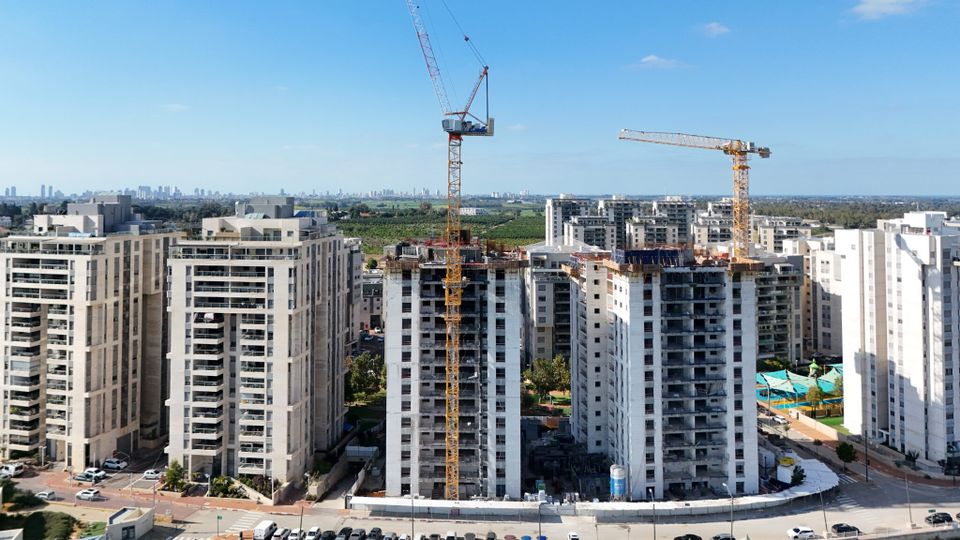
The housing market continues to show weakness in the number of transactions, but the mortgage market continues to move in a different direction. Housing mortgages taken out in August 2026 totaled NIS 10.899 billion, according to data published today (Monday) by the Bank of Israel.
This represents a decline of 5.7% from July, when mortgages totaling NIS 11.563 billion were taken out, as well as a slight decline from June, when mortgage volume totaled NIS 11.056 billion. However, compared with August 2025, this represents a jump of nearly 20%: Mortgage volume then totaled about NIS 9.118 billion.

The data indicate that despite the interest rate, which remains relatively high, demand for housing credit remains significant. The reduction in the Bank of Israel interest rate over the past year, which has totaled 1.25 percentage points, may also support activity in the mortgage market and the refinancing of existing loans, but the data do not make it possible to determine that this is the only reason for the increase in volume.
There was also movement in the mortgage mix. The prime-rate track accounted for about 21% of all mortgages in August — the highest rate since May 2023, indicating a continued recovery in the use of the track after a period in which borrowers preferred less exposure to the variable interest rate.
At the same time, the volume of balloon loans continues to decline and is at a nearly three-year low. This comes against the backdrop of the change in the housing credit mix and borrowers' continued caution regarding short-term commitments.
According to an analysis by the Association of Mortgage Advisers, there was another increase in the share of the prime-rate track, which rose from 22% to 24%, at the expense of a decline in the share of the variable-rate, unlinked track. At the same time, the share of bridge loans out of total housing loans fell from 13.9% to 13.0%, while the share of general-purpose loans out of total originations remained unchanged at 4.7%.
The weighted interest rate saw a slight reversal in trend, rising from 4.34% to 4.38%, although the interest rate is still considered relatively low, following a cumulative decline of 0.18 percentage points since January.
The Association of Mortgage Advisers said: "The mortgage market continues to be strong and stable and is behaving differently from the physical real estate market, which continues to weaken. We are seeing a significant increase in originations compared with the previous year. This gap between a red-hot credit market and a weak housing market continues to indicate the completion of past transactions under financing promotions, which are now materializing as actual mortgages.
At the same time, the new data reflect a change in borrowers' perceptions — the public is regaining confidence in the prime-rate track and consistently increasing its exposure to it from month to month. This trend, together with the high origination levels, underscores the public's need to remain vigilant in order to properly contend with the changes."

Thus, while the housing transaction market is still struggling to recover, the mortgage market is ending the summer months with a high level of activity. The data indicate that demand for financing to purchase a home and refinance mortgages remains high, even in an environment where the interest rate is still not low.