The legal battle between the two technology giants escalated further after OpenAI filed a sharply worded response with the U.S. District Court in California, according to Reuters.
In the defense filing, the ChatGPT developer categorically rejected Apple’s allegations that it stole trade secrets and accused the iPhone maker of trying to block free competition and undermine legitimate employee mobility. OpenAI said the lawsuit was nothing more than an attempt by Apple to conceal its internal failures and the negligent practices it had itself implemented.
It allowed employees to do it, then blamed them: OpenAI’s defense
At the heart of the legal response is the claim that Apple itself created the confusion and chaos surrounding the confidential information. According to OpenAI, Apple encouraged its employees over the years to use private iCloud accounts to manage work documents and corporate information, making it impossible to separate personal and commercial materials when their employment ended.
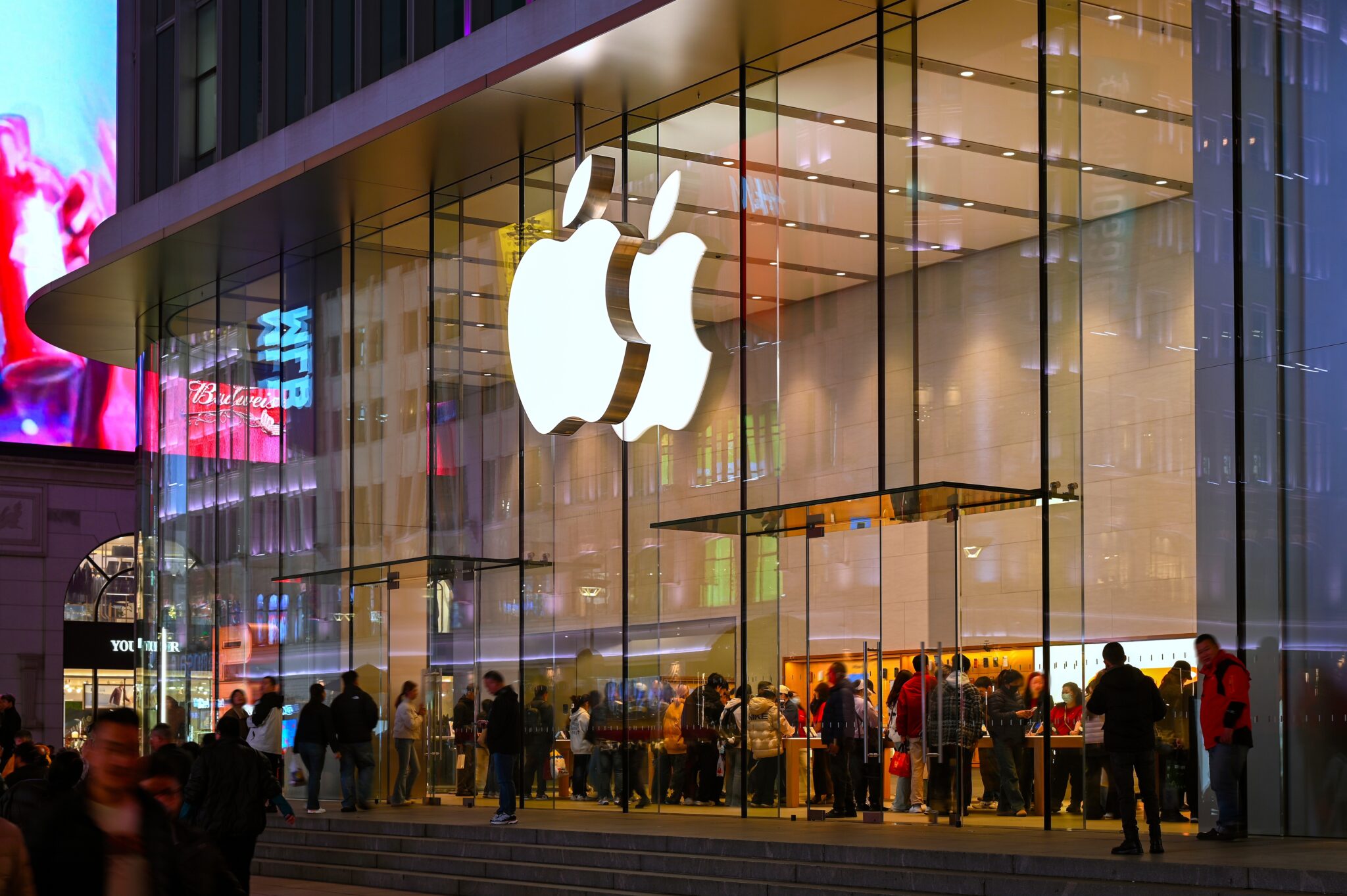
In addition, OpenAI claimed that Apple’s policy of immediately escorting employees out of its offices does not give them reasonable time to return equipment or transfer materials in an orderly manner, after which it chooses to accuse them of retaining information.
From shared technology to bitter rivalry: The background to the legal battle
The current lawsuit, originally filed by Apple in July, marks the deterioration in relations between the two companies, which only two years ago signed a strategic cooperation agreement to integrate OpenAI’s AI into Apple devices.
Tensions grew after OpenAI began expanding into hardware and recruited about 400 former Apple employees, including former senior executives such as Tang Tan and Chang Liu.

Apple claimed that the hires were part of a planned strategy to extract manufacturing and supply chain secrets, while OpenAI noted that California state law explicitly protects employees’ freedom to move between competing companies.