Palo Alto Networks CEO Nikesh Arora warned that about a billion trillion dollars invested in global cyber infrastructure over the years is not equipped to deal with attacks occurring at machine speed, he said in an interview with CNBC.
The wave of AI sweeping the global market is not only the main driver of the next technology race, but also the catalyst for an unprecedented security gap.
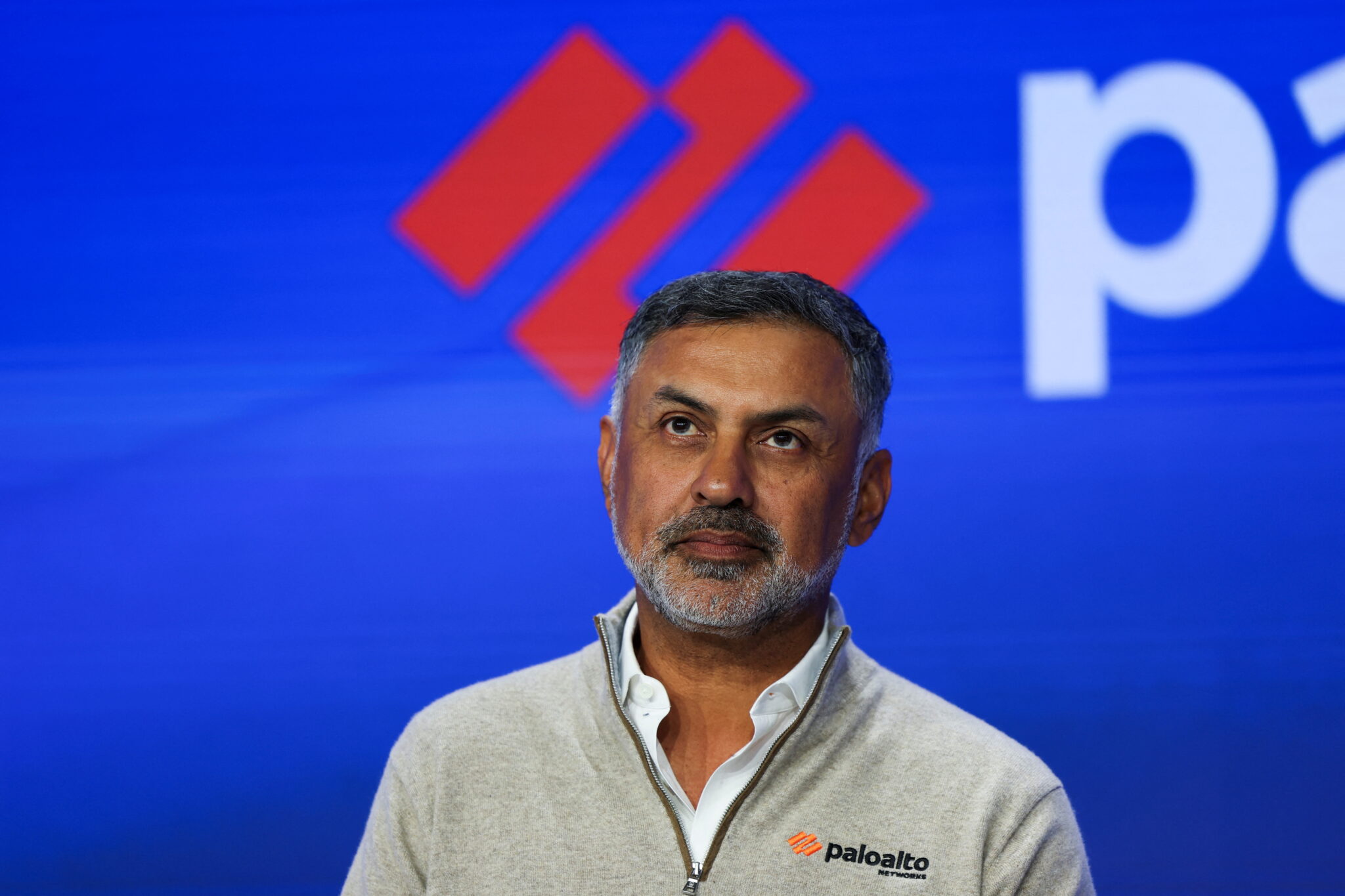
According to Arora, security architectures built 7 to 10 years ago are simply incapable of dealing with the threats embedded in new technologies, requiring organizations to restructure all their defense systems.
A Shift in Market Perception: From Fear of a Threat to a Growth Opportunity
These remarks come as part of a major shift in capital markets’ attitude toward the cybersecurity sector.
Just a few months ago, investors were deeply concerned that advanced artificial intelligence models would render traditional security software obsolete and hurt companies’ revenue.

Stocks in the sector, including Palo Alto, came under heavy pressure amid concerns that AI would “eat their lunch.” It is now becoming clear that the reality is exactly the opposite: Attackers’ ability to use artificial intelligence to quickly identify and penetrate security vulnerabilities has turned AI into a huge growth engine for cybersecurity companies.
The Turning Point and the Outlook Ahead
A key event that accelerated this realization among organizations was the launch of Anthropic’s Mythos model.
The graphical model demonstrated an ability to easily identify and exacerbate software vulnerabilities, prompting many companies to recognize the urgency of upgrading. Since last April, Palo Alto shares have surged by an impressive approximately 113%, with the company reporting strong results for the fiscal fourth quarter and an optimistic outlook.
Although the upgrade is expected to take place gradually over time rather than in a single quarter, the industry is convinced that the AI era has significantly extended the growth trajectory and investment horizon of the entire cybersecurity sector.
Bottom Line
Arora argues that AI technology has made attackers much faster and far more automated, and that companies that do not invest now in upgrading their old security systems will simply be left unprotected.

For cybersecurity companies, this is excellent news that will bring them an abundance of additional work and revenue in the coming years.