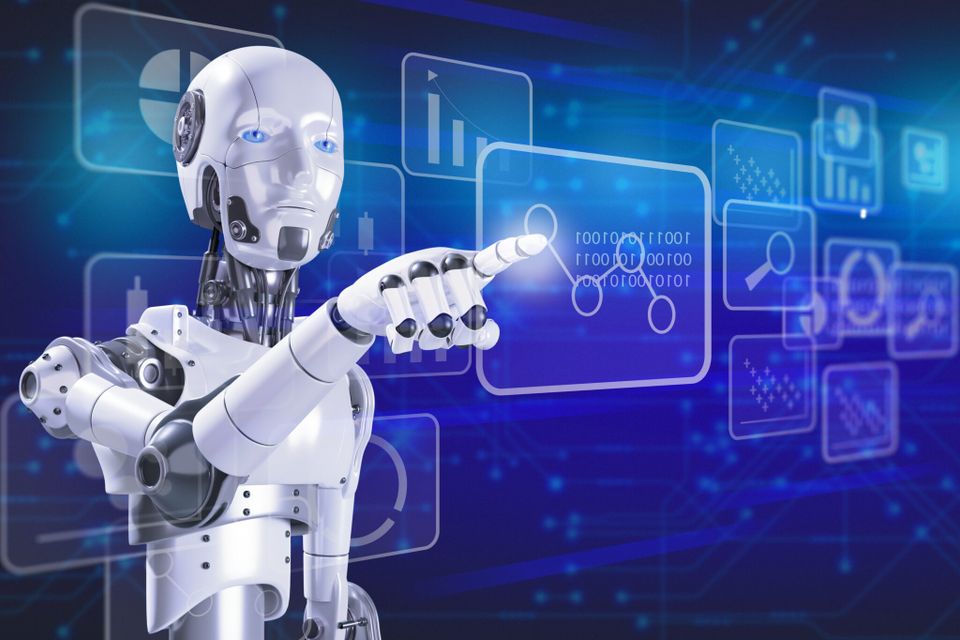
The race to develop humanoid robots designed to operate in workplaces is gaining momentum. Technology companies and automakers are investing billions of dollars in developing machines to perform physical tasks. According to the International Federation of Robotics, about 7,000 humanoid robots were sold for business use in 2025. The economic potential is significant, with Morgan Stanley estimating that the market could surpass $5 trillion by 2050.
The main advantage of a humanoid robot is its ability to operate in a human environment without requiring modifications. The sector's development is accelerating thanks to advances in artificial intelligence and an influx of capital. According to Forbes, startups in the sector raised $6.1 billion in 2025. However, officials in China have already warned of a possible bubble amid the existence of more than 150 companies developing similar products.
From Logistics Warehouses to Auto Plants
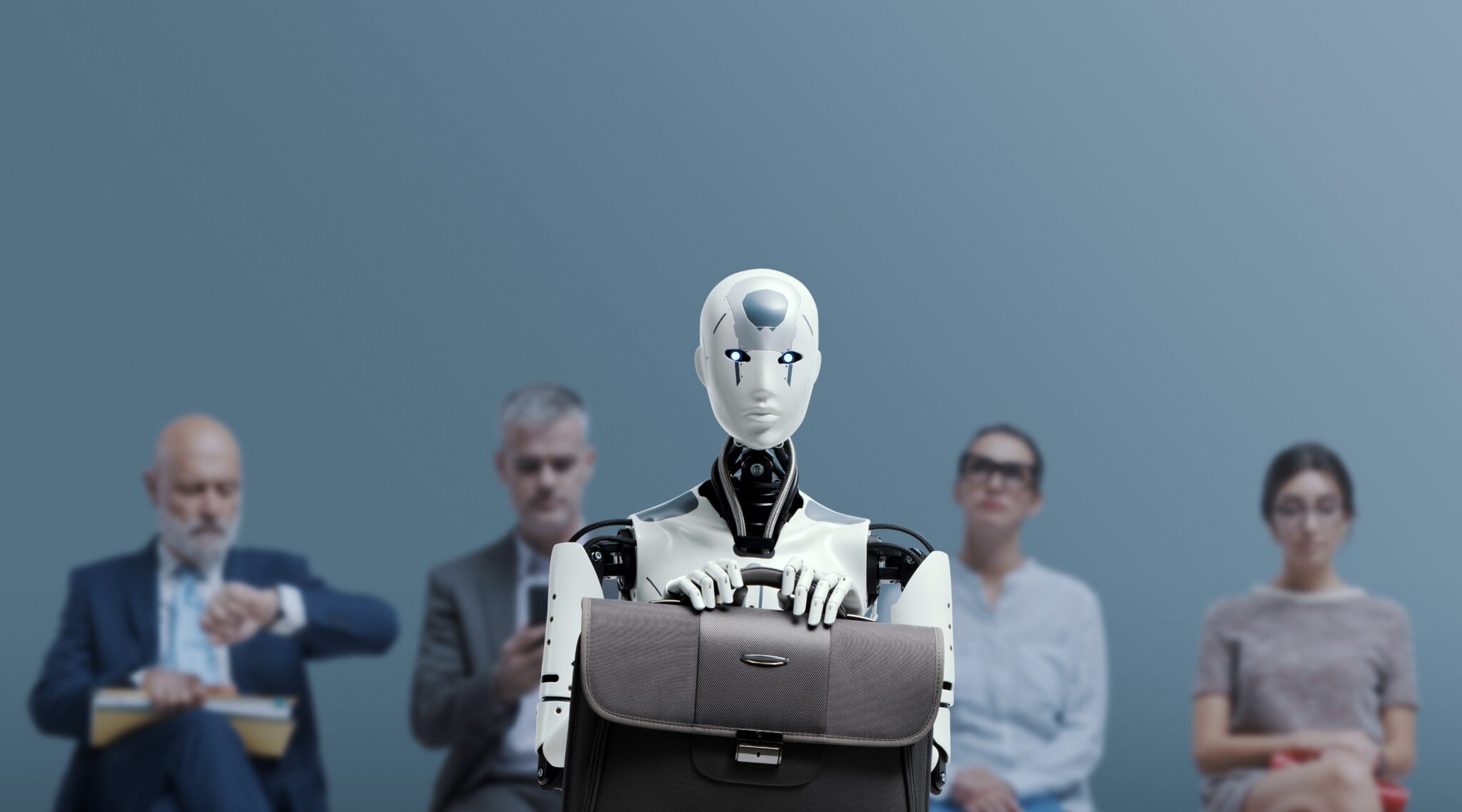
The most advanced commercial applications are currently in logistics and manufacturing. Agility Robotics developed the Digit robot, which had moved more than 100,000 boxes at a warehouse in Atlanta by the end of 2025. The robot also operates at a Schaeffler plant, where its operating cost ranges from $10 to $25 an hour, compared with a starting wage of $20 for workers. Meanwhile, Figure AI deployed a robot at a BMW plant that placed more than 90,000 metal parts.
The global race reflects a divide between the United States, which leads in software, and China, which benefits from manufacturing advantages. According to IDC, humanoid robot sales totaled about $740 million in the first half of 2026, and Chinese manufacturers produced more than 95% of the units. Other companies include Tesla, which is developing Optimus, and Hyundai, which plans to deploy thousands of Boston Dynamics robots at its plants.
Will Machines Replace Workers?
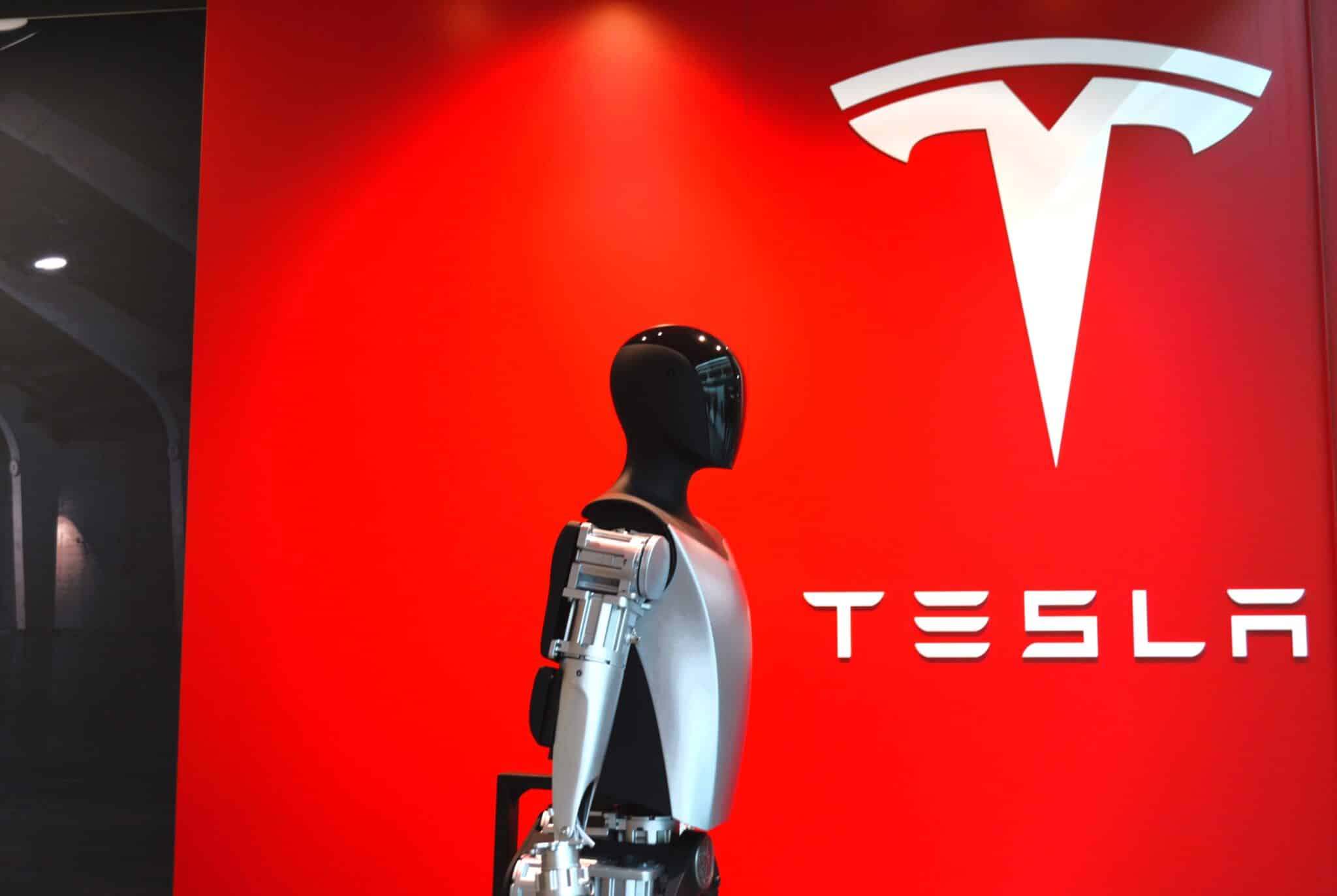
As ambitions expand into private homes, the difficulties are also growing. In a Figure AI trial in private homes, the robots completed their tasks in full in only 56% of cases. In addition, a 2026 Stanford University study found that the use of assistive robots in nursing homes in Japan was actually associated with a 28% increase in the employment of care workers, highlighting the difference between assistive systems and autonomous robots.
In the near term, the risk of workers being replaced exists mainly in repetitive tasks at warehouses and factories. However, widespread adoption of humanoid robots may proceed slowly until the mid-2030s. The main challenge will be proving that the robots can complete tasks consistently, safely and cost-effectively over time.