Investment in the space economy is expected to exceed $100 billion in a single year for the first time in 2026. According to a new analysis by investment firm Space Capital, the momentum is being driven by the blockbuster IPO of SpaceX, expanding defense spending and demand for advanced space infrastructure.
SpaceX at the Center of the Momentum
Chad Anderson, CEO of Space Capital, said the current wave of investment eclipses the boom of 2021, which was characterized by brisk merger activity involving special purpose acquisition companies (SPACs).
According to Anderson, SpaceX’s major IPO this summer could change how investors value other space companies and increase recognition of their importance and business potential.
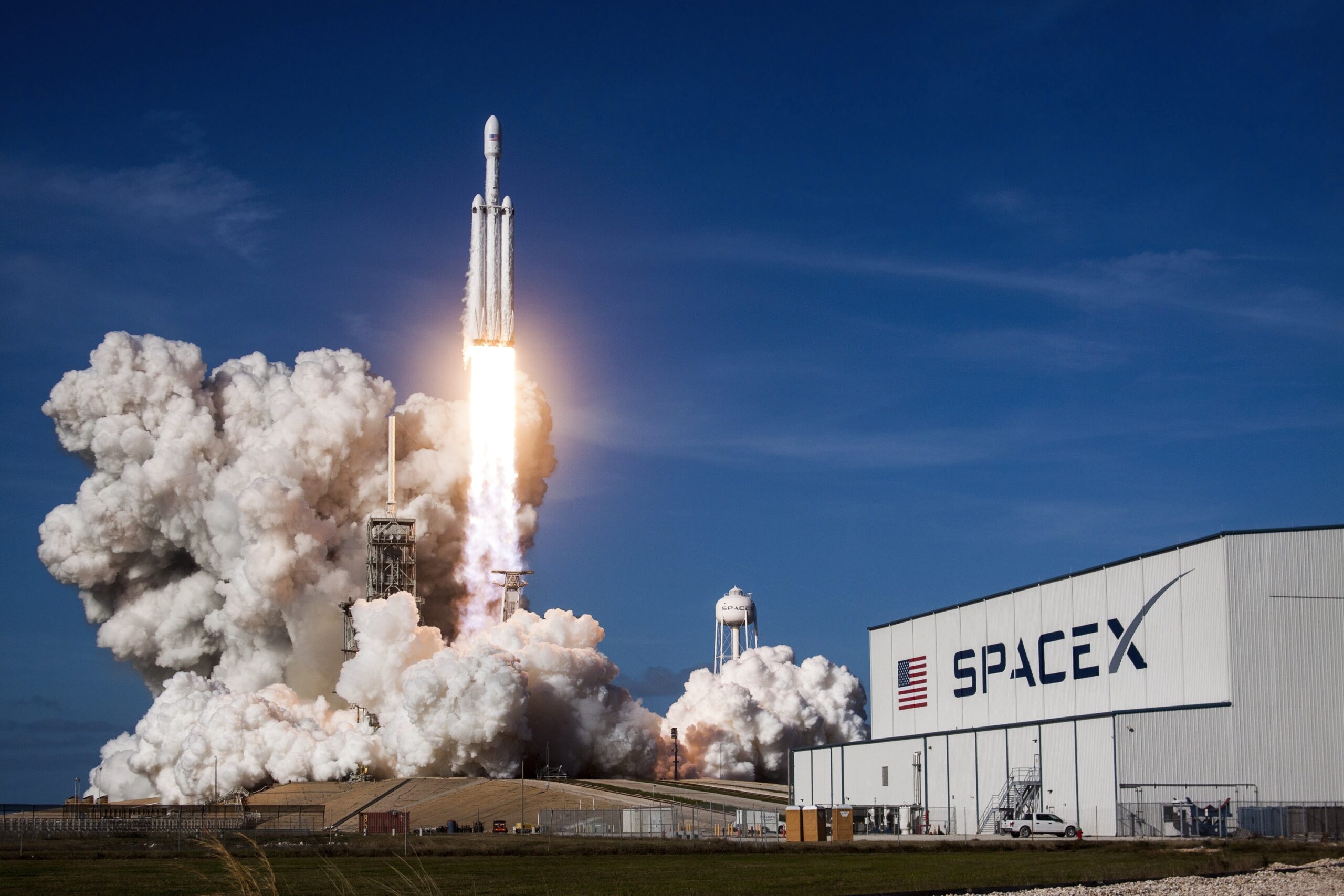
However, the company’s impact extends beyond the IPO. The plan to retire the Falcon 9 rocket in the coming years is raising concerns about a shortage of launch services and encouraging investment in companies developing alternatives.
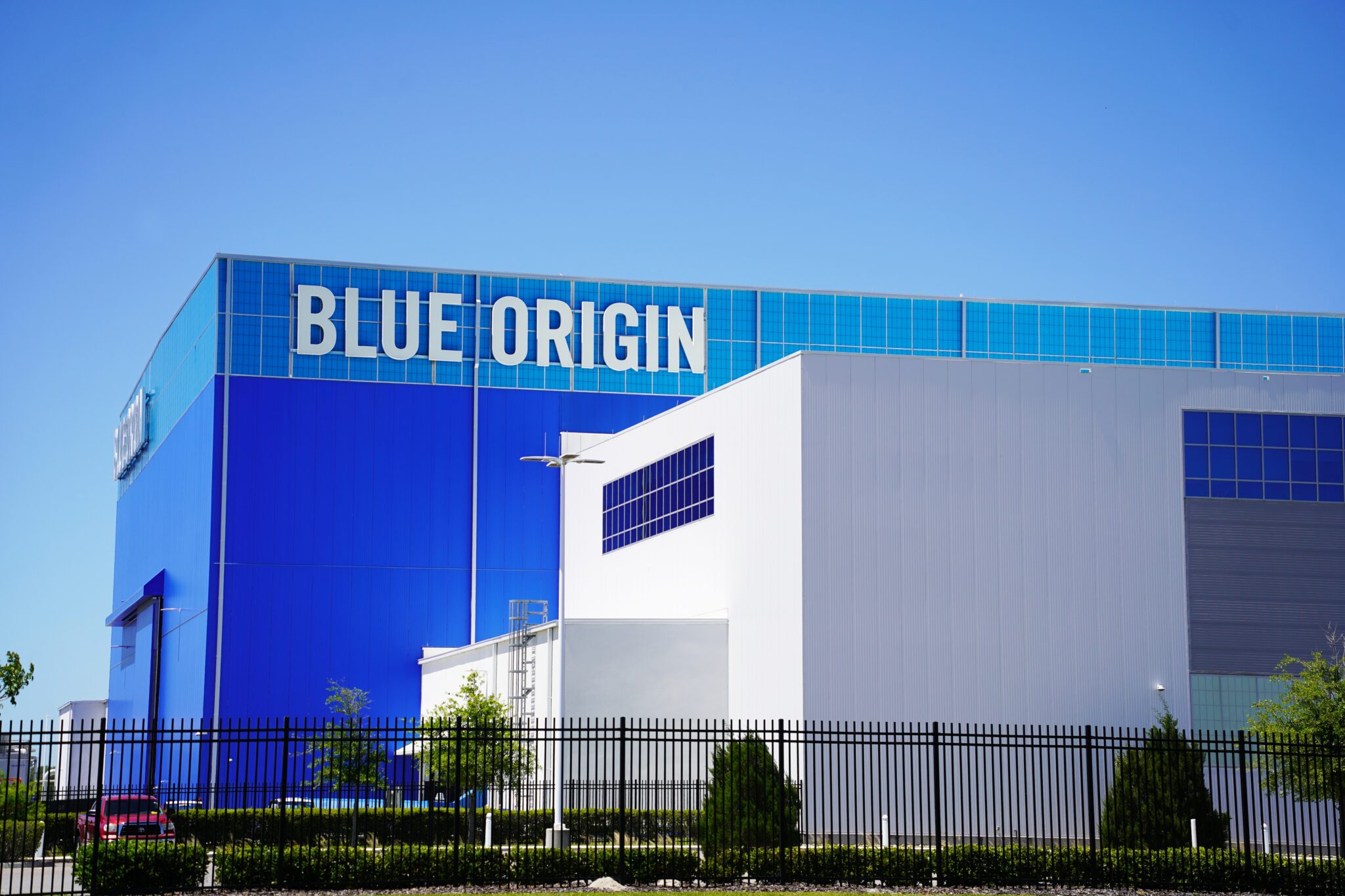
Stoke Space Technologies recently announced that it had raised $1 billion to develop a larger version of its reusable Nova rocket. Meanwhile, Blue Origin, SpaceX’s largest competitor, raised at least $10 billion in the first outside investment in its history, after 26 years of operations.
Governments Are Also Fueling Demand
Another factor channeling capital into the sector is demand from governments. The U.S. Department of Defense needs space assets, while other countries are seeking to develop satellite networks and independent infrastructure for security needs and to support economic growth.
Alongside the investment momentum, concerns are emerging that some companies are raising capital at high valuations that do not necessarily reflect their business capabilities. The risk is especially pronounced among companies whose business models depend on technologies that are not yet available.
Anderson warned about companies relying on SpaceX’s Starship to build infrastructure and launch satellites. He said it remains unclear when SpaceX will be able to make this launch capability available to them, and the delay could jeopardize their business plans.