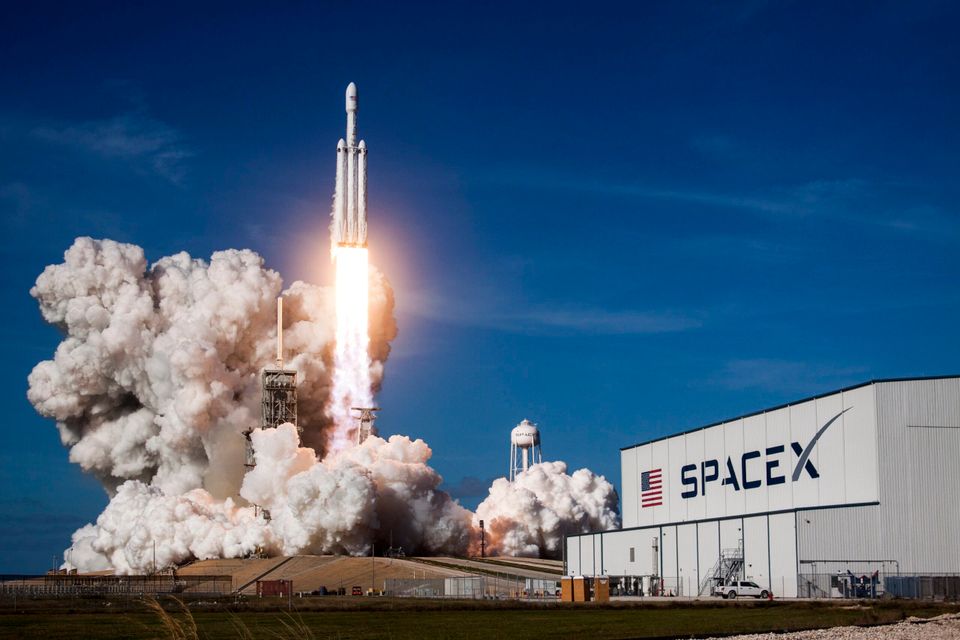
Space company SpaceX has completed an unprecedented $40 billion debt raise, all of which will be used to purchase graphics processing units (GPUs) intended for the development of artificial intelligence systems, according to a CNBC report.

CEO Elon Musk confirmed the completion of the move and said the advanced chips are expected to reach the company during the first half of 2027.
The move underscores the enormous capital needs of the artificial intelligence revolution and the space giant’s expanding ambitions in high-performance computing.
Debt Structure and Protecting the Credit Rating
The current raise, which is based largely on callable debt, was accompanied by complex negotiations with leading financial institutions.
According to previous reports, Goldman Sachs led talks with major institutional investors, including Apollo Global Management, to finance the purchase of chips from Nvidia.
To protect SpaceX’s high investment-grade rating, the deal was structured through a special purpose vehicle (SPV), which prevents the debt from being recorded directly on the company’s balance sheet. Musk noted in this context that the company relies on a strong and stable revenue stream from its Starlink satellite internet services and rocket launch operations.
“Super Intelligence” Unit Drives Revenue Higher
Artificial intelligence has become SpaceX’s main growth engine over the past year. This operation, known within the company as “Super Intelligence,” posted a sharp increase in the third quarter, with revenue from the segment rising ninefold to $7.56 billion, compared with just $813 million in the corresponding quarter last year.

These figures have positioned the computing and AI unit as the corporation’s largest and most profitable business division, illustrating the company’s strategic shift from an exclusive focus on space to deep technology infrastructure.
Warning of a Wave of Collapses in the Cloud Computing Industry
Alongside the announcement of the raise, Musk offered a bleak forecast for the market for dedicated artificial intelligence cloud infrastructure.
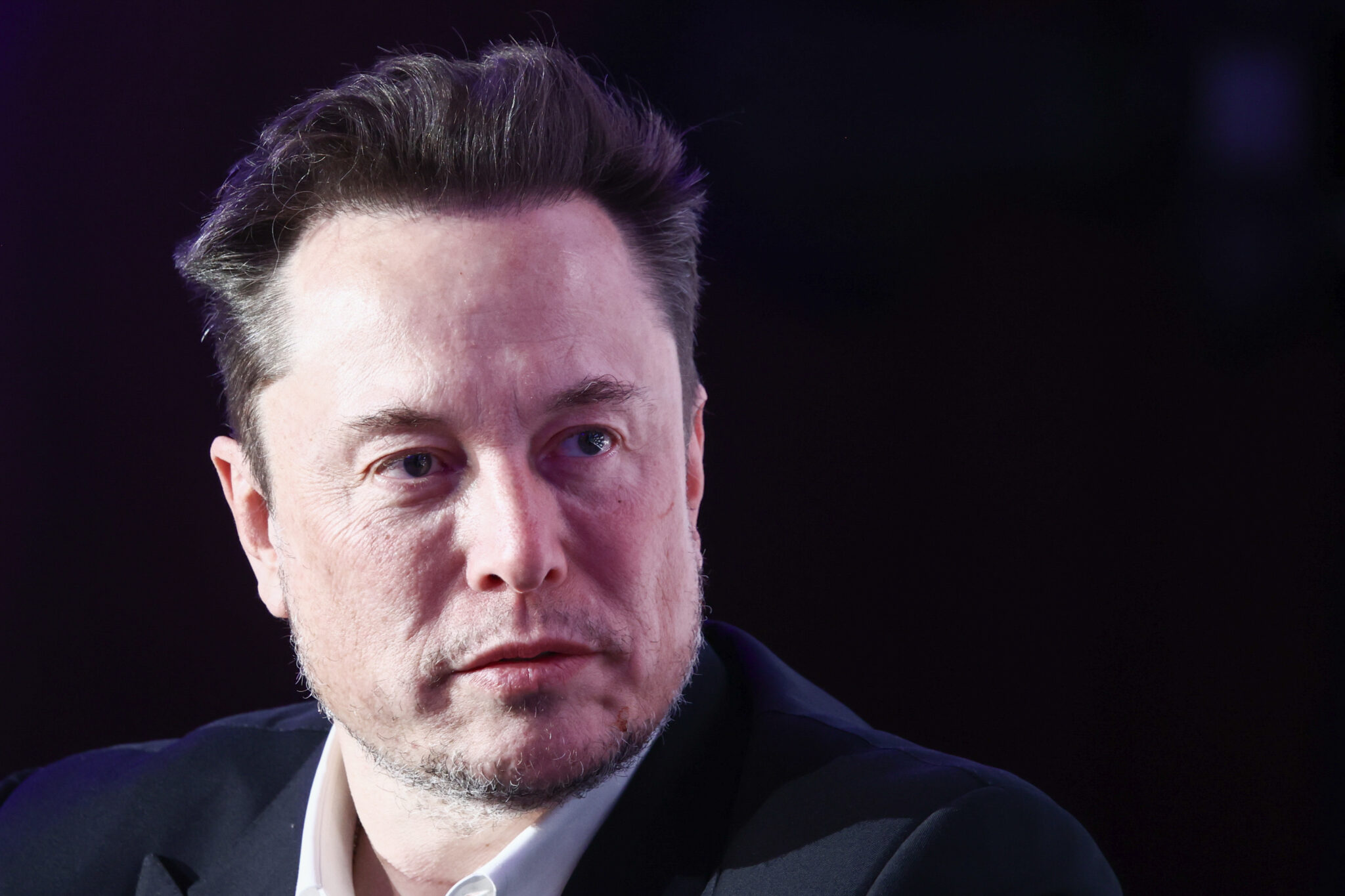
According to Musk, credit markets have largely turned off the funding tap for companies that do not show significant sources of revenue outside server farms. Musk estimated that more than 200 startups and niche cloud providers operating in the field are expected to face widespread financial collapse and forced mergers, with only a handful of players backed by solid financial resources likely to survive the process.