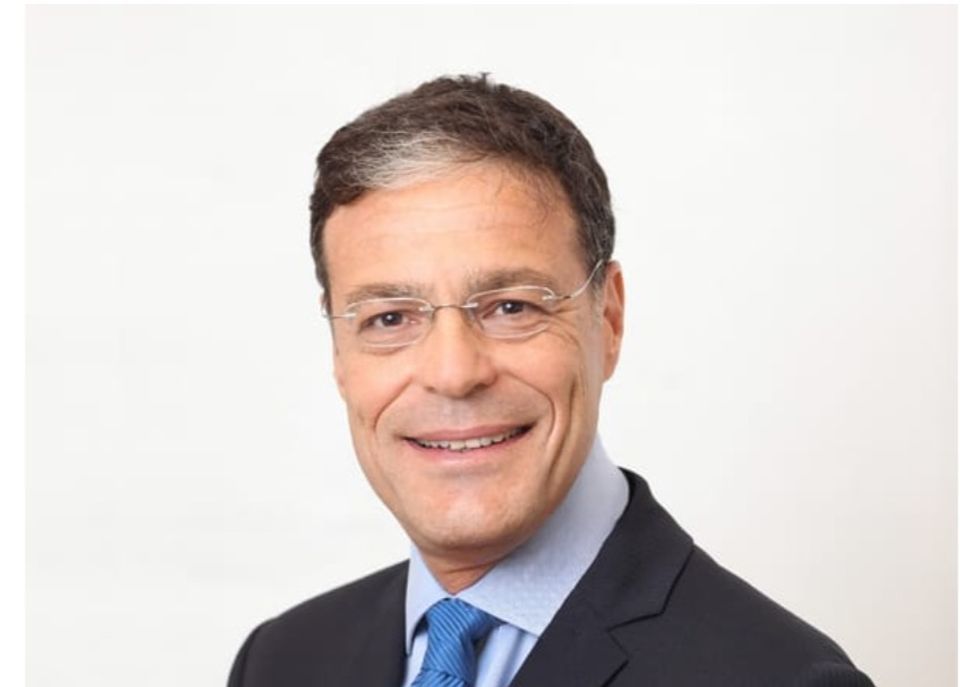
The chips in every iPhone sold worldwide have passed at least once, and usually more, under Camtek’s systems. That is according to Lior Aviram, executive chairman of the Migdal HaEmek-based company, which unveiled new targets last week at the SEMICON West conference in San Francisco and received a positive response from analysts, but a cool one from investors.
The greatest growth in the company’s history
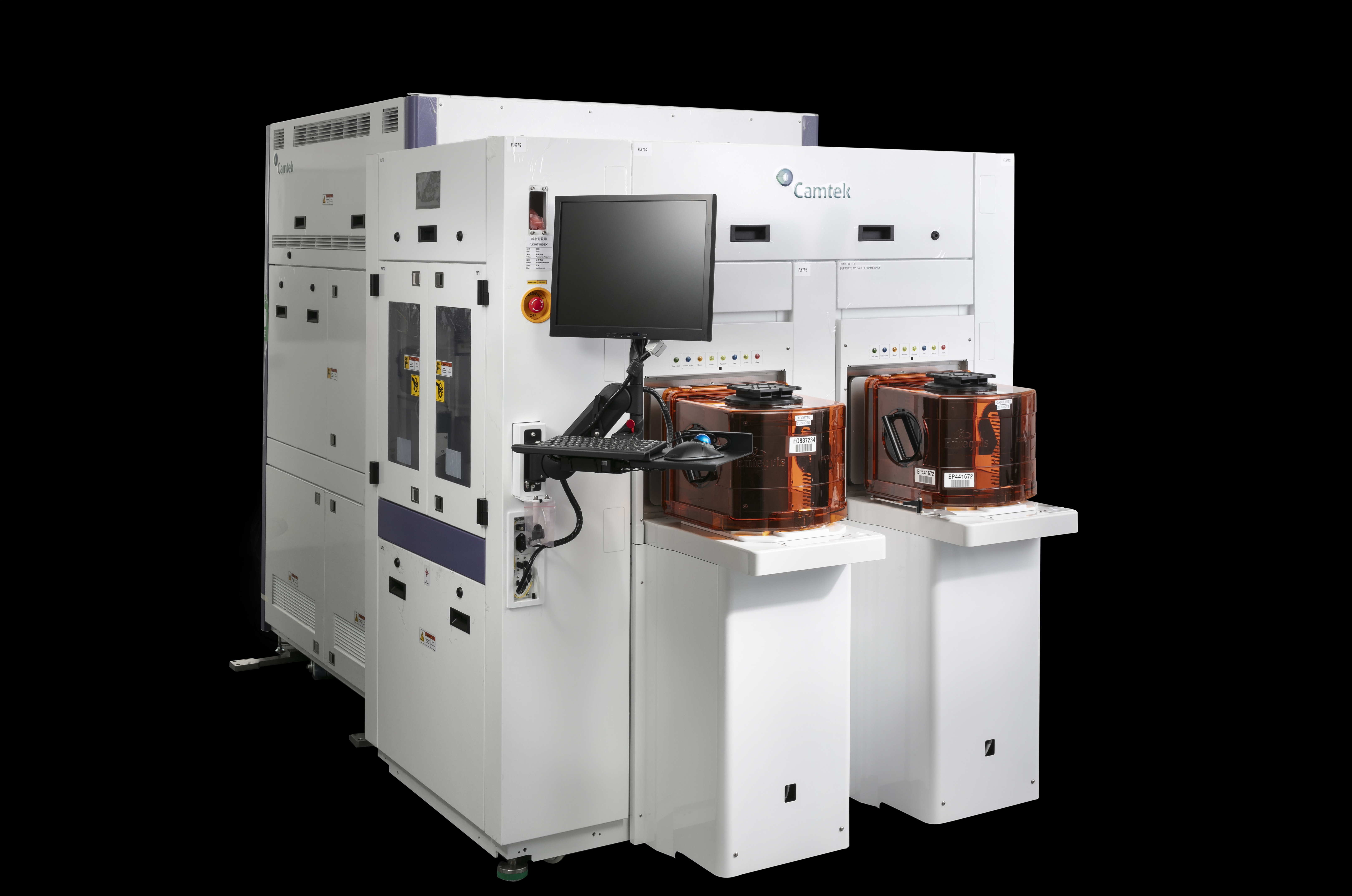
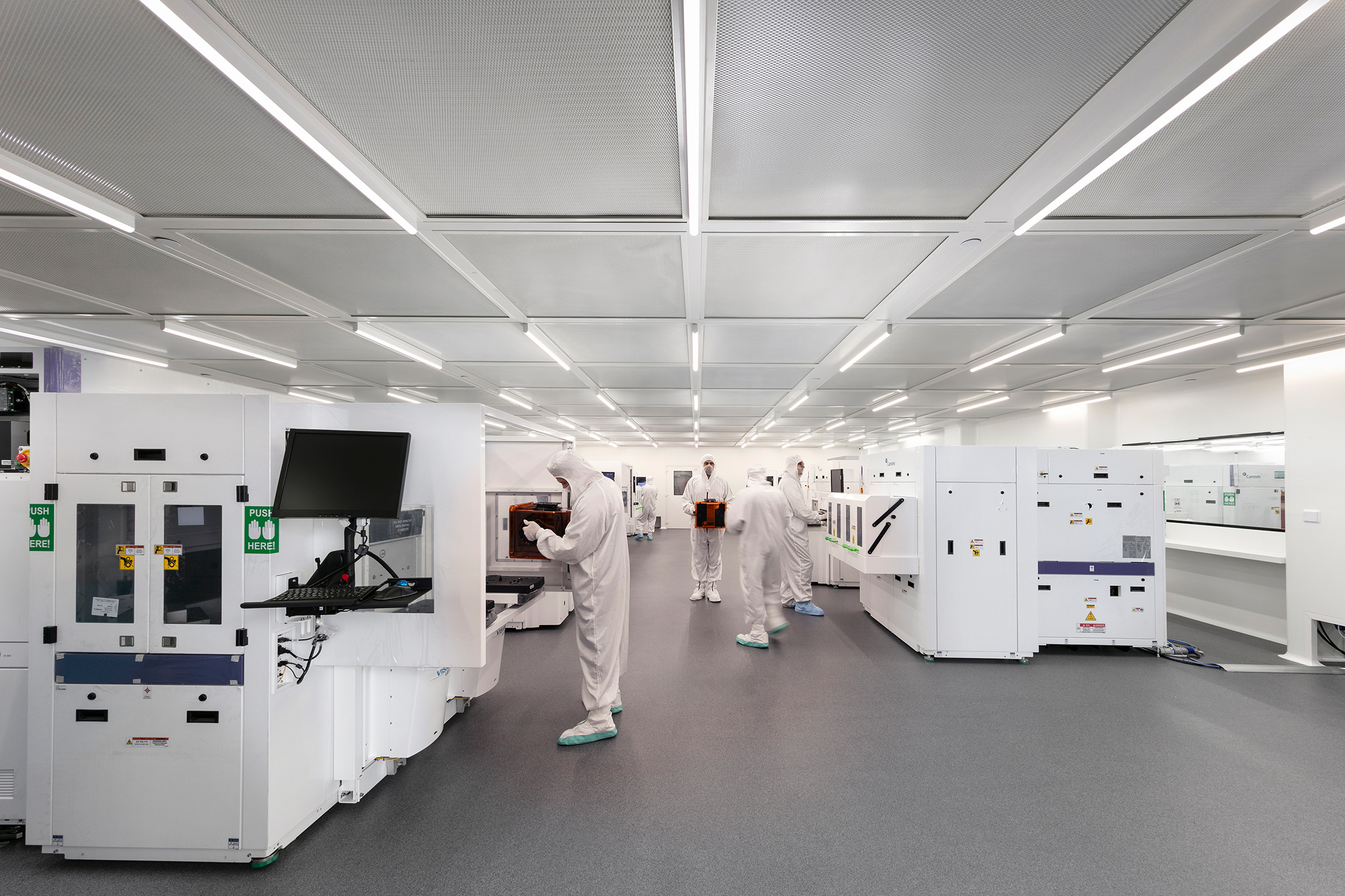
Camtek develops and manufactures chip inspection and metrology systems. The company is traded on Nasdaq and the Tel Aviv Stock Exchange (TASE), at a valuation of about $6 billion, and employs about 780 people.
At the conference, Camtek said fourth-quarter revenue is expected to reach about $180 million, and for the first time in its history it provided an estimate for the year ahead: more than $800 million in 2027, compared with about $595 million this year. Growth of about 35%. “This is the greatest annual growth we have ever had,” Aviram says. “And it should be remembered that we are not talking about software, but physical systems that must be manufactured and shipped, with a great many components.”
The company is set to surpass its previous target model of $750 million as early as the beginning of next year, and it was therefore replaced with a target of $1.2 billion, representing average annual growth of about 26%. Even so, from the close on the Monday before the conference through the close on Thursday, the stock lost slightly more than 10%.

“Advanced packaging is today’s Moore’s Law”
Camtek’s customers are the chipmakers themselves: TSMC, Samsung, SK Hynix, Intel and about 20 other major manufacturers worldwide. “Our customer’s customer is Nvidia and AMD,” Aviram explains. Alongside them are OSAT companies, which assemble chips inside packages. “We have a very strong position among the OSATs. A dominant one.”
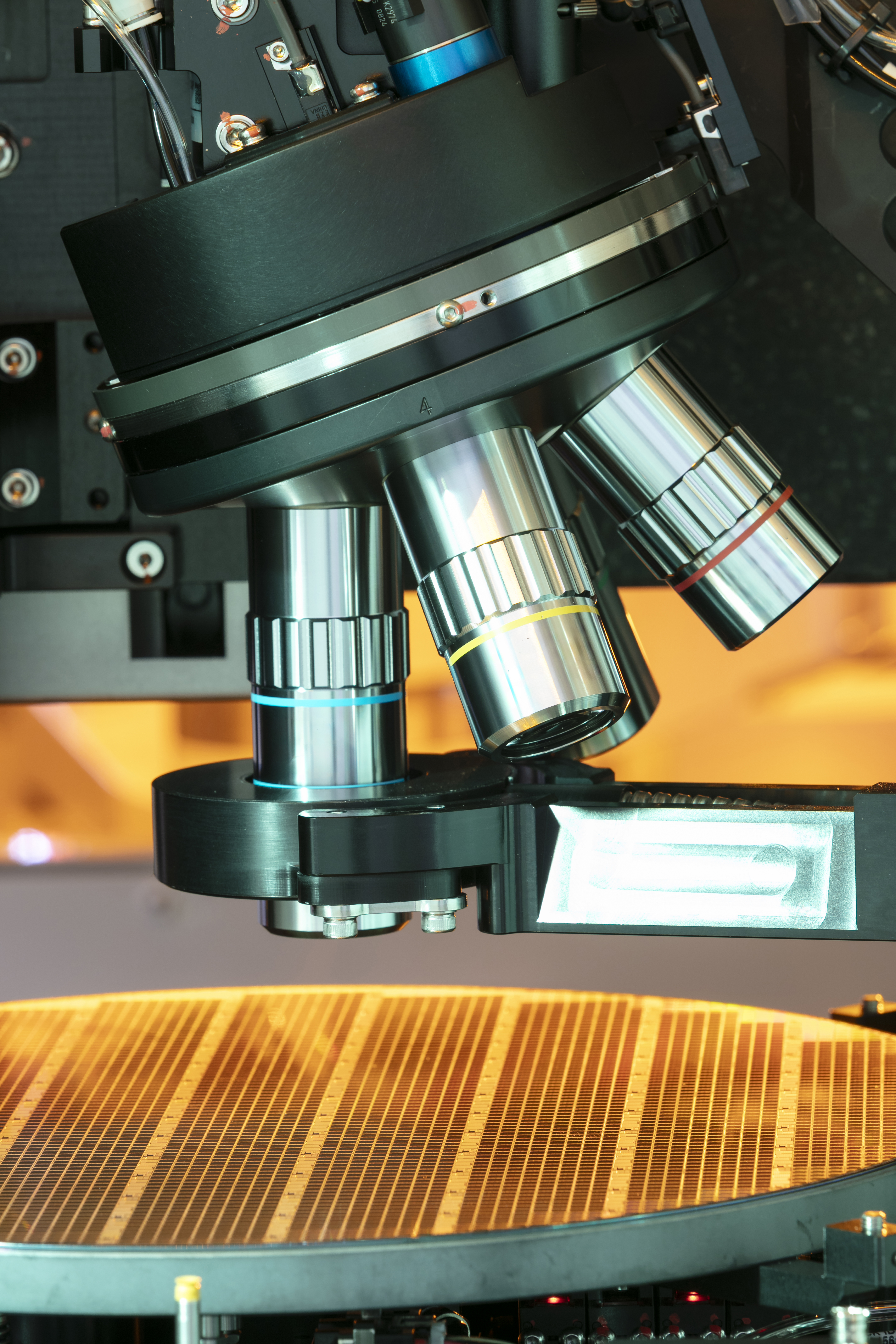
The boom in advanced packaging is related to Moore’s Law, which called for the number of transistors on a chip to double every two years. “They have already reached transistors at the atomic level,” Aviram says. “The only way to continue upholding Moore’s Law is to place several chips together and create a package.” Camtek inspects the wafers — the silicon slices — on which the chips that go into the package are located. A single defective chip could damage the entire package.
According to Camtek, the amount of silicon produced worldwide is growing by about 7% a year, advanced packaging by about 14%, and the high end of the field, where Camtek operates, by about 26%-27% a year. “Micron today charges several times what it charged for a similar chip two or three years ago,” Aviram says. “At the end of the day, we inspect silicon.”
“Ambitious, but achievable”
Asked whether the $1.2 billion target within three years was conservative, Aviram replied: “Three years is not a forecast; it is a target model. I think it is ambitious, but achievable. If the industry does better, we will do better than that. And if it does worse, clearly we will also depend on that.”
He said profitability is also expected to rise: increased sales of the new-generation Eagle Gen5 and Hawk systems, which carry higher profitability, rising market prices (“we are also raising prices”), and fixed expenses spread across higher sales.
The star of the conference was photonics, chips that transmit information through light instead of copper. According to Camtek, the field is growing by more than 50% a year and today accounts for about 5% of sales. “We can see how this could grow and generate $100 million in sales for us in the coming years,” Aviram says.
“The market is behaving in a manic-depressive manner”
Asked why the company’s stock fell, Aviram explained that market volatility and declines in the semiconductor equipment industry were behind the move, rather than factors related to the company itself. “The market has been highly volatile recently, and the reaction in our stock is no different from the reactions in other stocks. The entire semiconductor equipment sector declined, and the SOXX also declined. In my view, it was not company-related at all, but sector-related.”
He said inflation in the U.S. and concerns about interest-rate increases are causing investors to ignore companies’ positive reports. “Recently it has been behaving in a kind of manic-depressive manner. It is either excited or sinking into depression.”
What matters to him is that the message got through: The analysts who covered the conference provided “very positive” feedback, he said. And in a rising market? “The reaction would most likely have been different. Sometimes the reaction is delayed because your announcement cannot stand against the wave created by sentiment. Later, sentiment changes, and the market, having absorbed the announcement, acts accordingly. That could certainly happen here as well.”
The next wave: robots and driverless cars
“In the big picture, we are only at the beginning,” Aviram explains. Today, he says, most AI goes to data centers, but the major wave will come with physical AI: autonomous cars, robots and the personal phone. “When these things come to fruition — and that is in the coming years, not science fiction — it will increase chip consumption by an order of magnitude.”
The day before, he rode in a Zoox, Amazon’s robotaxi, in San Francisco. “It does not even have a driver’s seat. Amazing.” And bumps along the way? “It is only reasonable that there will be some. Every rise, even a wonderful rise, is not a smooth rise.”
800 million in cash, and that is not the ceiling
Since being appointed executive chairman in June 2025, Aviram has been responsible for mergers and acquisitions. About six months ago, Camtek completed its acquisition of Israel’s Visual Layer. “A wonderful acquisition,” he says. “We acquired a strong management team and a very strong AI research group. With their help, we will offer a line of software products, a revenue stream that we have never had to any significant extent.”
Today, the company has more than $800 million in cash, intended first and foremost for acquisitions. “There could also be deals larger than the amount we have, but we have access to the markets, and if it is right, we will do it. I believe we will carry out another deal or deals in the next year or two.” Camtek is examining private and public companies, Israeli and foreign, on one condition: “It must be clear to us why one plus one will equal much more than two.”
“It makes no difference to us at what price the silicon is sold”
Regarding the Chinese, Camtek’s chairman says: “There is constant competition from Chinese inspection companies at the low end of the market. At the high end, the Chinese buy what TSMC buys.” Regarding concerns about a flood of cheap memory from CXMT, he cites DeepSeek: “The market was looking for an excuse to fall rather than a real reason. If cheaper memory is produced, more will be bought. It makes no difference to us at what price the silicon is sold. The greater the silicon area, the more inspection is required.”
Moreover, addressing dependence on major customers, he explains: “We have 300 customers, and the number of major customers is relatively high. Our dependence on any specific customer is not significant.”
Even with AI inside the company, the number of employees continues to rise. “AI makes the company operate on steroids,” says Aviram, who was a lawyer for 35 years. “The question is how much our workforce would have grown if there were no AI.”
Asked whether the chip market still holds potential for gains over the long term, Aviram replied: “Unequivocally.”