Government procurement documents uncovered in Beijing present a troubling picture for regulators in Washington.
A Chinese university with deep ties to the People's Liberation Army recently purchased Nvidia's powerful H200 artificial intelligence chips, despite being on the US government's blacklist, Reuters reported.
The findings underscore the difficulty of enforcing technology export restrictions and the activity of a local market that circumvents sanctions, allowing military research institutions direct access to advanced processors and powerful computing capacity.
Circumventing Restrictions Through Local Suppliers
According to the report, Northwestern Polytechnical University in Xi'an, an institution considered one of China's "Seven Sons of National Defense" and specializing in the development of missiles, military aviation and satellites, purchased two H200 chips last month for about 874 thousand yuan, equivalent to about $123 thousand.
The purchase was not made directly from Nvidia, but through a local technology company in Shaanxi province. The institution has been on the US Commerce Department's restricted entities list since 2001 because of its involvement in weapons programs, a status requiring the near-universal denial of any export application on its behalf.
Alongside the hardware purchase itself, procurement documents point to a widespread method of renting Nvidia chip-based computing capacity through a local cloud service. Since the beginning of the year, the university's School of Cybersecurity has signed contracts worth hundreds of thousands of yuan for access to servers containing dozens of H200 processors, alongside A100 and A800 models whose export to China is completely prohibited. These computing services were used for model training, reinforcement learning and complex simulations of fluid and structural dynamics.
Pressure on Nvidia Mounts on Capitol Hill
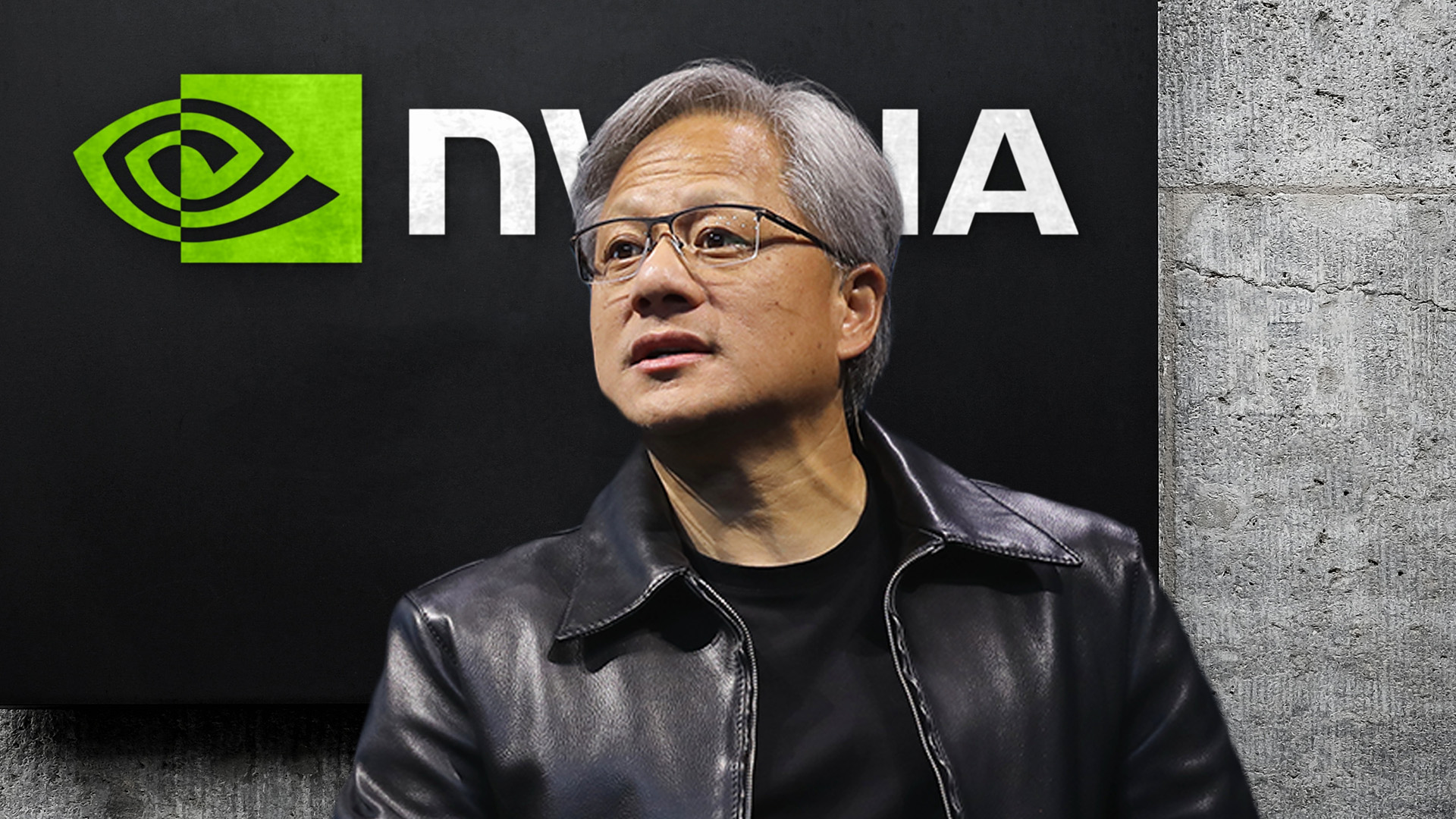
The disclosure comes at a particularly sensitive time for Nvidia CEO Jensen Huang, who is facing growing criticism from Democratic and Republican lawmakers alike.
While Huang has consistently argued that continued controlled sales to China preserve US technological leadership and prevent the development of local alternatives, concern is growing in Washington that the company's advanced capabilities are directly accelerating Beijing's military modernization, weapons systems development and intelligence analysis.
Congressional committee leaders are demanding tighter oversight mechanisms, including mandatory physical and digital tracking of advanced chips and expanded congressional oversight of export deals.
The persistent gap between official sanctions policy and commercial realities on the ground illustrates the complexity of disrupting chip giants' supply chains and calls into question the effectiveness of the economic barriers the US has placed around critical technologies.