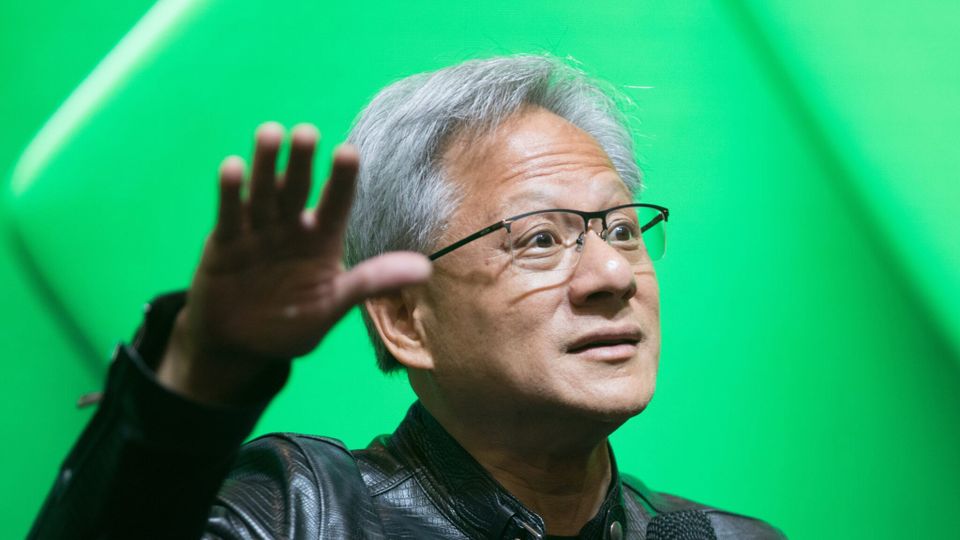
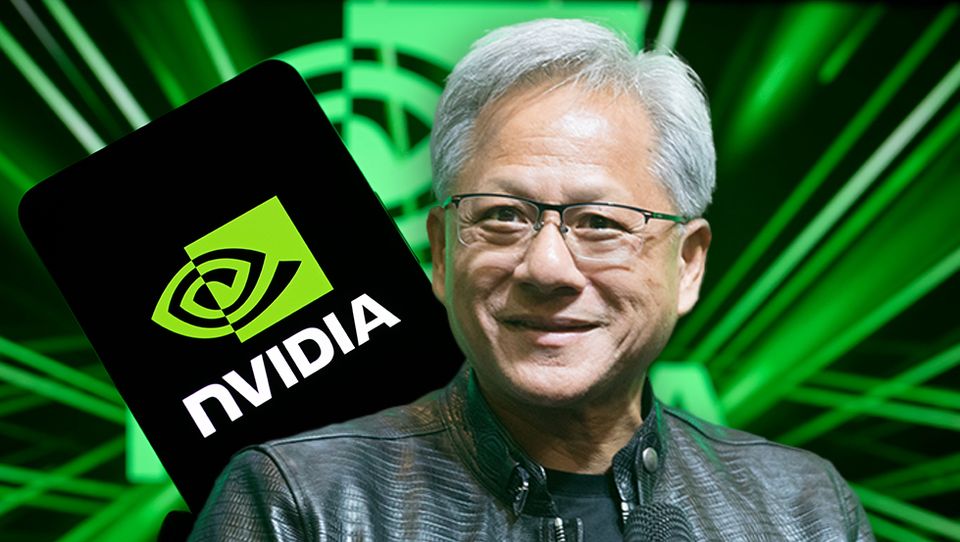
Just weeks before chip giant Nvidia became embroiled in one of the most serious crises in its history, the company’s founder and CEO, Jensen Huang, sat down for an interview on Bloomberg’s “The Circuit with Emily Chang” to discuss the question of what comes after him.
At the time, Huang was still seen as the undisputed leader of the artificial intelligence revolution, having led the company continuously since its founding in 1993.
Watch his remarks:
But viewed from the perspective of recent days, against the backdrop of revelations about extramarital affairs, suspected ties to a Chinese agent and an emergency board meeting considering his removal, his comments in that interview sound almost prophetic.
“The CEO Must Hold Himself Accountable for His Actions”
When asked in that interview what qualities would be required of the person who eventually steps into his shoes, Huang set an especially high moral and managerial bar.
He said the next CEO must be as intellectually flexible as possible, set high standards and expectations and, above all, hold himself accountable for his actions.
Now that the company’s board has hired an outside law firm and established a special committee to examine his conduct, the demand for personal accountability has taken on immediate and dramatic significance.
The events that erupted in early November 2026 put those standards to a difficult test. First came the revelation of Huang’s romantic relationship with Chinese businesswoman Alice Huang, a former senior executive at Megaspeed who is suspected of smuggling advanced chips into China and who, according to U.S. intelligence assessments, operated as an agent in Beijing’s service.
Days after he admitted to infidelity in a letter to employees, the crisis deepened with a New York Times report revealing another affair, this time within the company itself, with Kimberly Powell, the vice president of health care who reported directly to him. The revelation raised serious concerns about violations of corporate governance rules and an acute conflict of interest.
The Question of Succession
In the same interview, Huang also addressed the possibility that his children, Spencer or Madison, might eventually succeed him. Huang made clear that he did not wish the role for either his daughter or his son, stressing that they must find their own ambitions and earn their place on merit, not through favoritism. He explained that the pressure involved in running the company is immense, and that is exactly how it should be, because it is not an easy role or one that can be taken for granted.
Huang added at the time that he hoped Nvidia’s next CEO was already within the company’s ranks, but again stressed that the person would have to prove himself and earn the appointment.

Now, as the company’s board convenes to consider the longtime founder’s future, that internal successor may be required to step into the role much sooner than anyone had imagined.
Will He Remain in the Role?
Huang concluded his remarks in that interview on an optimistic note, expressing hope that he would remain healthy and continue to justify his place at the company’s helm 20 years from now, as long as he was able to do so.
Thirty-three years after founding Nvidia and turning it into one of the world’s most influential companies, his vision of continuing to lead the empire for another 2 decades is now confronting an extraordinarily complex reality.
While the board has yet to issue an official decision following its meeting last night, it remains to be seen whether the man who demanded that his successor meet the highest standards will be forced to vacate the chair precisely because he failed to meet them himself.