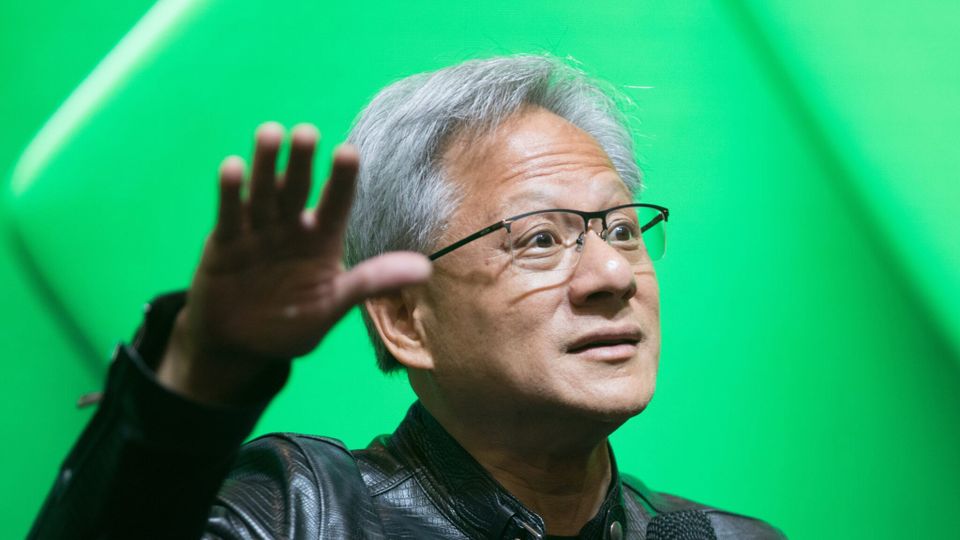
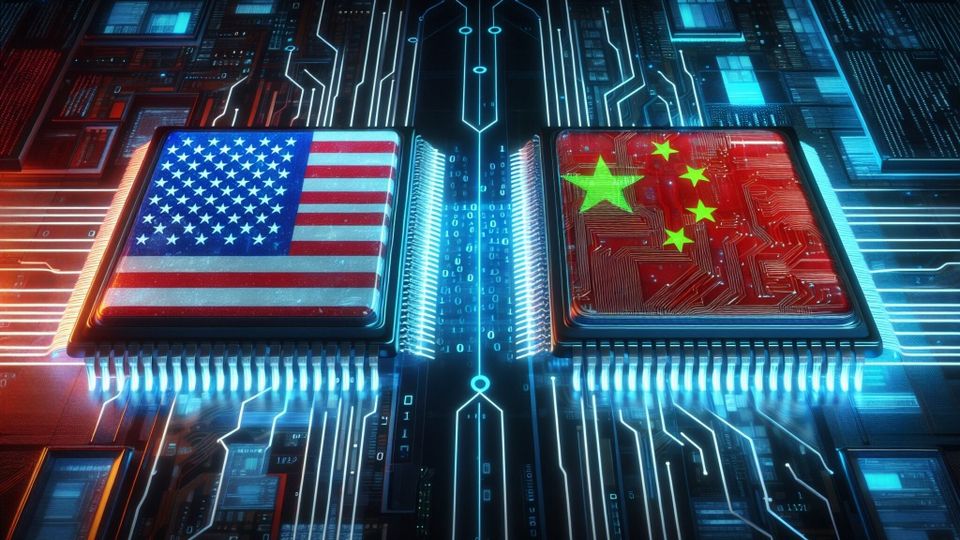
China is warning the United States not to use the affair linked to Nvidia CEO Jensen Huang as a pretext for imposing further restrictions on exports of critical technologies, Reuters reported.
Chinese Foreign Ministry spokesperson Mao Ning today (Thursday) called on Washington to stop “fabricating espionage narratives to find pretexts for imposing a technological blockade.” She said China’s technological progress relies on independent innovation and open cooperation, and that Beijing remains committed to building strategic stability with the US.
Turmoil at the Top of the Chip Giant
The sharp Chinese response comes as the board of Nvidia, a company valued at $4.2 trillion, discusses the future of its founder and longtime CEO.
The crisis intensified after it was revealed that Huang had a romantic relationship with a senior executive at the company, just days after he admitted to an affair with a senior executive at an Nvidia client company, a person who US intelligence officials believe serves as a Chinese intelligence agent.
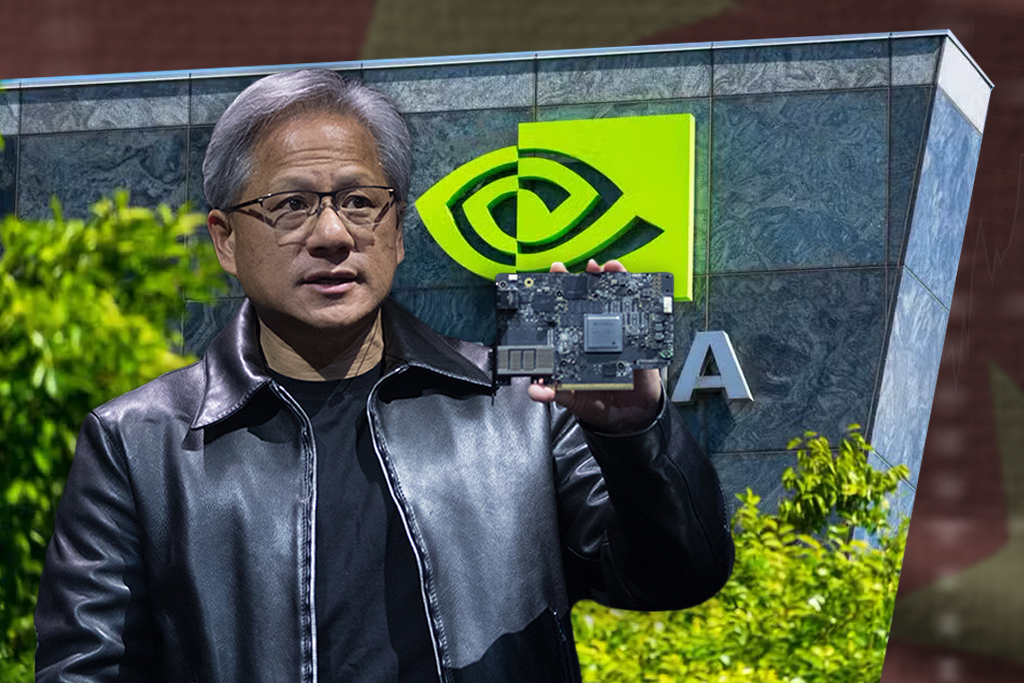
The uncertainty surrounding Huang’s continued tenure is rattling the global chip market and forcing Beijing to reassess its ability to continue obtaining advanced chips, which are essential for artificial intelligence development.
Ahead of the APEC Summit
The affair now threatens to undermine the fragile ceasefire in the trade war between the world’s two largest economies, just before the Asia-Pacific Economic Cooperation (APEC) summit to be held next week in Shenzhen.
US President Donald Trump and Chinese President Xi Jinping are expected to meet at the summit, as Washington demands that Beijing comply with the terms of the trade agreement the leaders signed last year, which is due to expire this coming January.
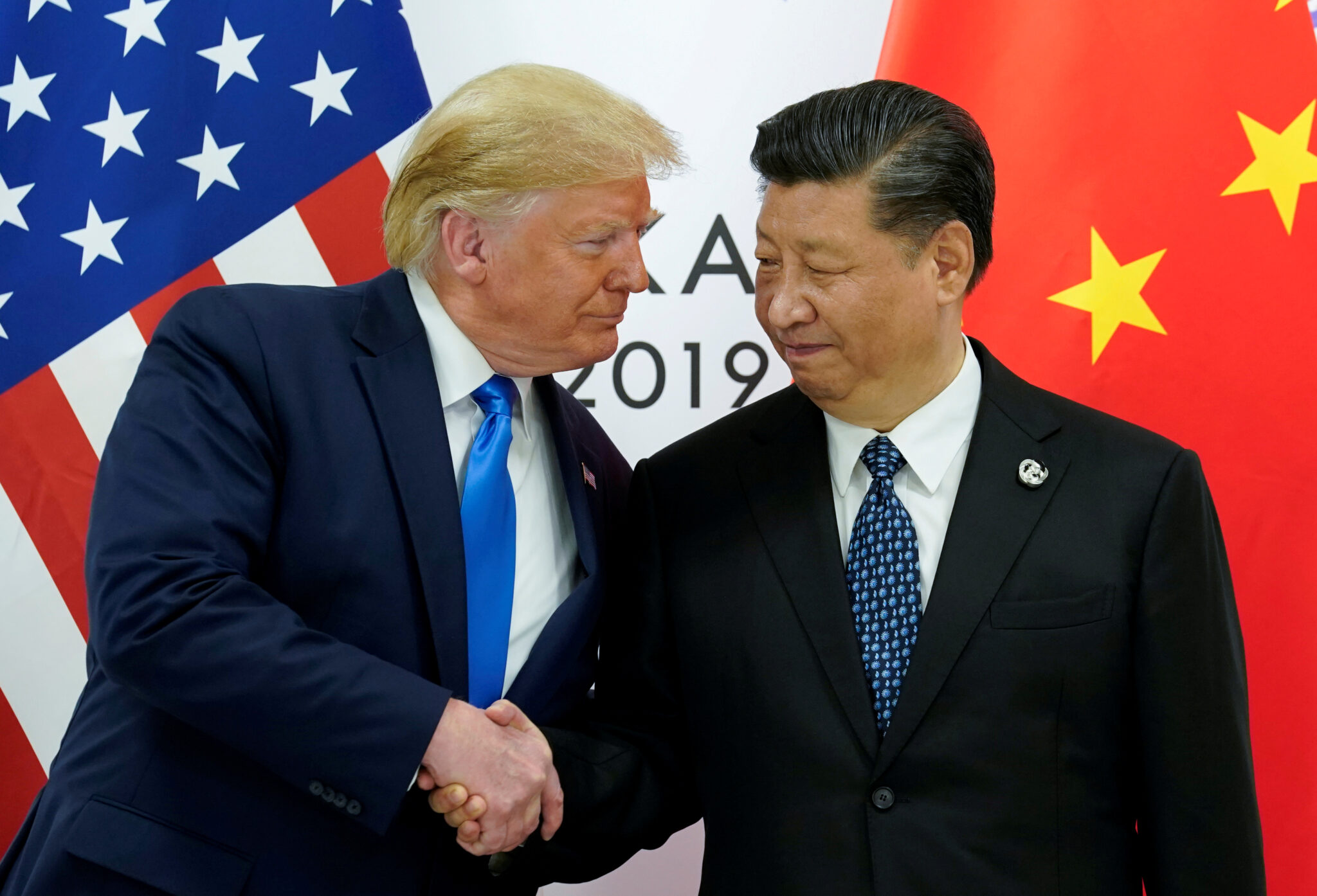
Commentators in China are voicing concern that the turmoil surrounding Nvidia will provide ammunition to hawkish officials in Washington and lead to a significant expansion of controls on technology exports.
Sharp Declines in Chinese Tech Stocks
Fears of tighter restrictions today led to notable declines among Chinese technology giants, which rely on Nvidia chips and its CUDA software platform to develop language models.
Shares of e-commerce and cloud giant Alibaba plunged 6.8%, while shares of Chinese artificial intelligence companies Z.ai and MiniMax, which are traded in Hong Kong, lost more than 9% and nearly 8%, respectively.
Economists estimate that while Chinese industry still depends on US infrastructure, completely cutting off the Chinese market would also pose a significant long-term threat to Nvidia itself.
Response to the Violation of Existing Sanctions
During the briefing, the Chinese Foreign Ministry spokesperson was also asked about reports that a university in China had purchased Nvidia’s advanced H200 chips in violation of US export restrictions.
Mao Ning said she was not familiar with the details of the case, but stressed that China firmly opposes the US expansion of the concept of national security, the creation of discriminatory blacklists and the unjustified suppression of Chinese institutions.