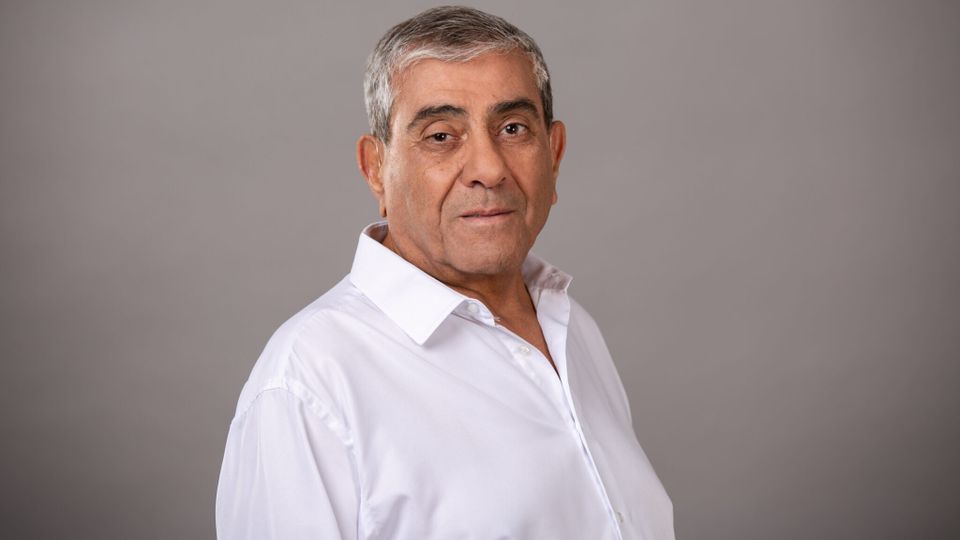

Alice Huang, the woman at the center of the artificial intelligence scandal that led to the resignation of Nvidia’s former CEO, maintained regular contact with a senior official in China’s Ministry of State Security, the country’s main intelligence agency, for more than a year, according to a report by The New York Times.
According to the report, the contacts took place during the same period in which she was having a secret affair with Huang, and while her company was purchasing large quantities of advanced artificial intelligence chips made by the technology giant.
The chip-smuggling network to Southeast Asia
According to the report, which was based on U.S. intelligence officials, Alice Huang’s contacts with Chinese intelligence continued from spring 2025 through fall 2026. The main suspicion among authorities in Washington is that Huang and her business partner, Kang Wei, who was sometimes presented as her husband and also worked for Chinese intelligence, operated a network of companies in Southeast Asia designed to circumvent U.S. export restrictions.
Her company, Mega Speed, purchased advanced Nvidia chips that were sent to data centers serving Chinese technology giants such as Alibaba and, according to suspicions, were even smuggled into China itself and used by military contractors linked to the People’s Liberation Army.
Officials in Washington say this activity precisely matches Chinese intelligence’s newly declared strategy, which has made breaking the U.S. “technology chokehold” and gaining an advantage in artificial intelligence top priorities.
The CEO’s resignation and Trump’s opposition
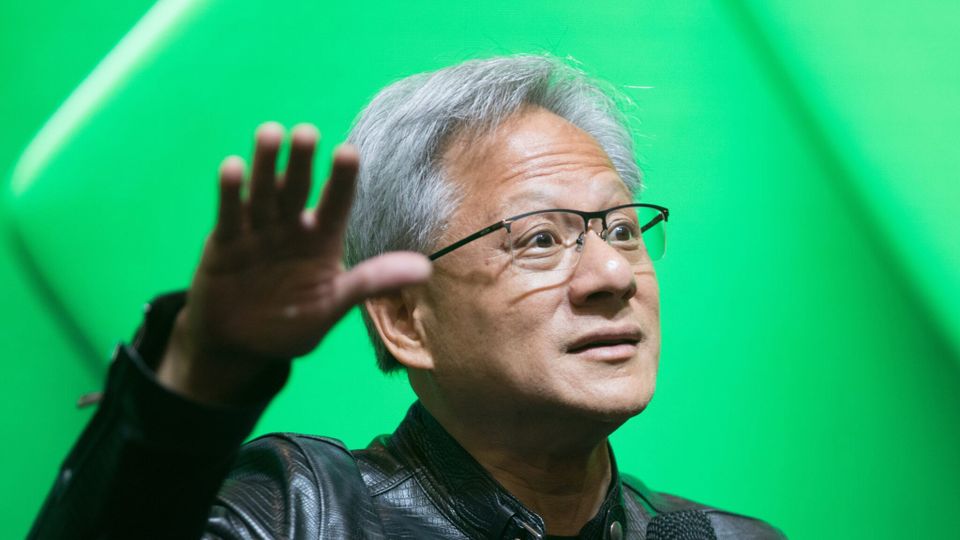
The disclosure of the affair caused upheaval at the top of Nvidia and led Jensen Huang to step down as CEO earlier this month. Huang initially claimed that his ties with Alice Huang were purely business-related, but he was forced to admit to the affair after it emerged that he had been picked up in U.S. wiretaps targeting her.
Shortly afterward, he resigned following another report about a relationship he had with an employee who reported to him at the company.
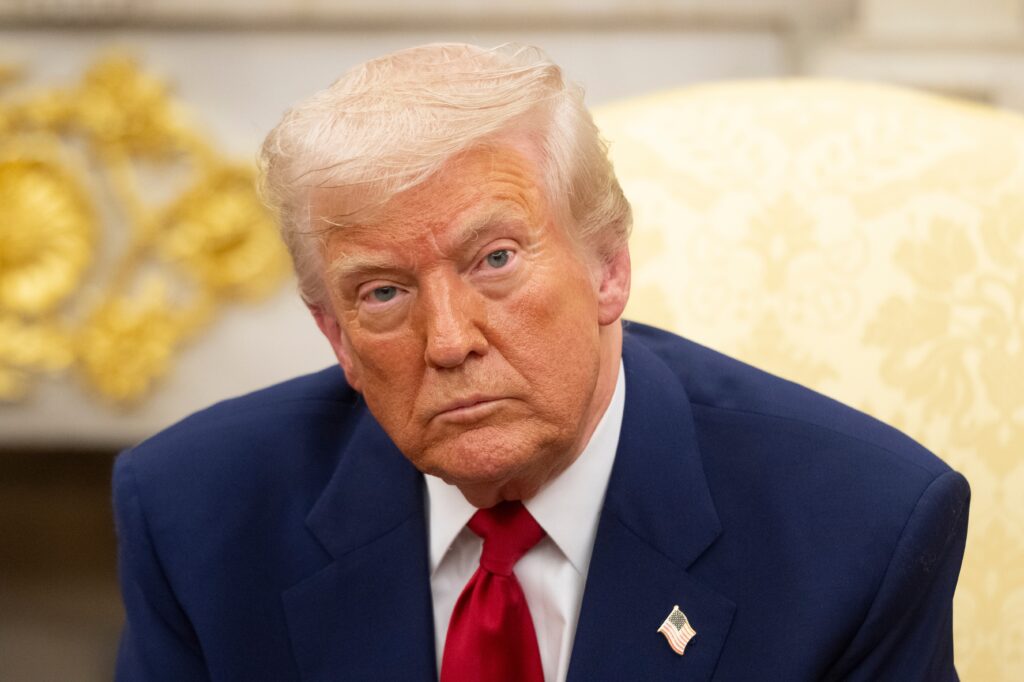
Despite the severity of the intelligence findings, President Donald Trump tried to play down the crisis. Administration officials say Trump was briefed at least twice on Huang’s ties to Chinese intelligence while she was involved with Nvidia’s CEO, but chose not to intervene because he believed Huang and Nvidia were essential to the U.S. economy and stock market.
Trump even publicly called on Nvidia’s board to reinstate Huang, a proposal that the company’s management rejected outright.
The demand for answers in Congress
In Washington’s political arena, pressure is mounting for full clarification of the extent of the Chinese infiltration. Lawmakers from both parties are demanding detailed briefings from the heads of the intelligence community after answers recently provided by senior CIA officials left many questions unresolved, and a follow-up briefing planned for national security staff was unexpectedly postponed by the administration.
Information about Alice Huang’s contacts was circulated within the administration as early as March in a classified memorandum written by Secretary of State and national security adviser Marco Rubio, but the affair became public only last month.