
An interest rate hike by the European Central Bank (ECB) next month may not be enough to fully curb inflation, but a follow-up move is not urgent because the concerning second-round effects are building only gradually.
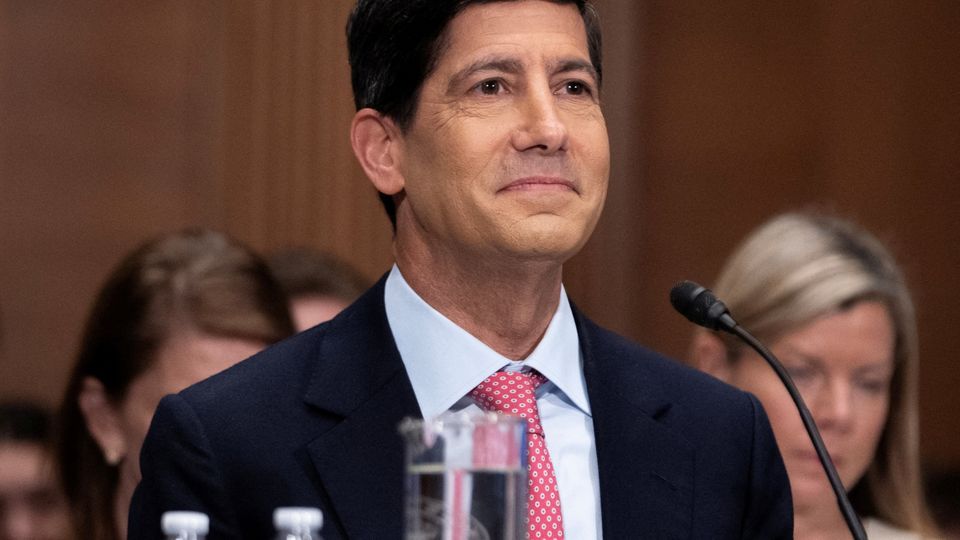
Gediminas Šimkus, a member of the central bank’s Governing Council, said this in an interview with Reuters.

The European Central Bank raised the interest rate twice during the current year after high energy costs pushed inflation well above the 2% target.
A third increase on December 17 now appears almost certain, leaving policymakers and investors debating the path of the interest rate going forward, ahead of a new central bank president taking office in place of Christine Lagarde.
Wage Agreements in Focus
According to Šimkus, a 25-basis-point increase in December will probably not be enough to bring price increases fully under control, and the extent of additional tightening required will depend largely on the outcome of wage negotiations.
Although the pace of wage growth has been relatively moderate this year, the central bank’s internal wage indicator has recently begun to rise slightly, against the backdrop of inflation climbing to 4% and high energy prices persisting longer than initially forecast.

While some economists argue that the labor market is softer than in the past and is therefore curbing the spillover of inflation into wages, Šimkus warned that the unemployment rate remains fairly low and that it is entirely natural for labor unions to demand compensation for the erosion of real income.
For now, financial markets are pricing in the December interest rate hike as a done deal and expect 1 or 2 additional increases during 2027, with the first of them fully priced in only for June.
Concerns Over Second-Round Effects and Energy Prices
Šimkus told Reuters that the second-round effects of inflation, which have not yet been fully reflected in official data, are expected to emerge later.
He explained that this is a natural lag because the surge in inflation resulted from an energy-side shock rather than excess demand. According to him, early warning signs can already be seen in consumer expectation surveys, business surveys and companies’ pricing plans.

In addition, high gasoline and natural gas prices are expected to continue being passed on to consumers. Šimkus pointed out that the costs of food, fuel and electricity — the products most closely monitored by households — are currently under pressure, which could have a significant effect on the public’s inflation expectations.
Another risk lies in low natural gas storage levels ahead of the winter, which could put further upward pressure on energy prices.
Measured and Sustained Monetary Tightening
Despite the risks, the ECB believes these forces are operating at a relatively slow pace, allowing the bank to act prudently and maintain a measured pace of interest rate increases.
Šimkus concluded in the Reuters interview that he does not see significant pressure to act quickly immediately after December, but stressed that if inflationary pressures remain persistent, additional monetary tightening may be required next year.