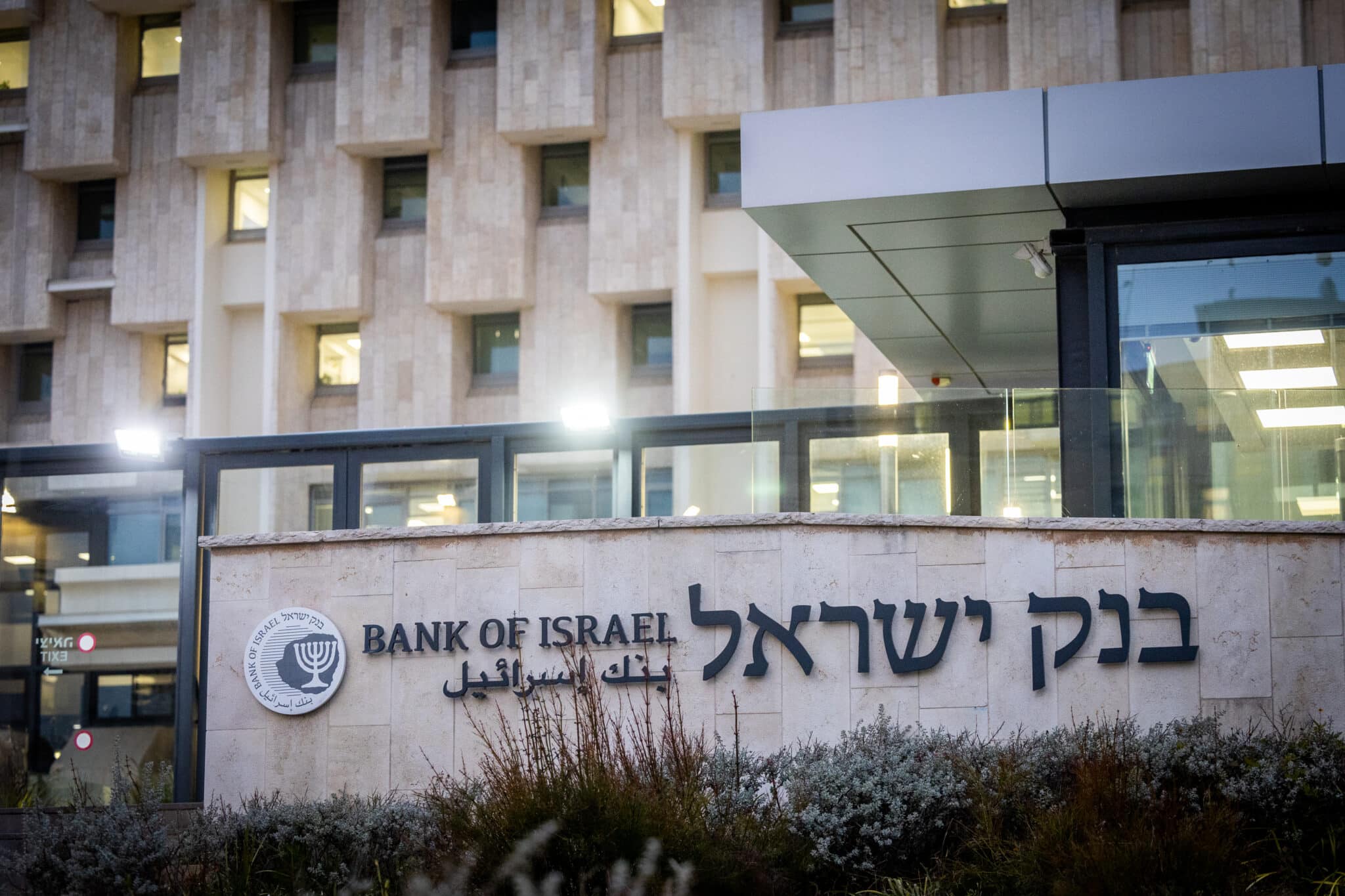
The Bank of Israel will publish its next interest rate decision this week, on Monday, November 23, as the Israeli economy presents a complex picture: On the one hand, inflation has fallen to just 1.1%, close to the lower bound of the price stability target; on the other hand, developments in the foreign exchange market, monetary policy worldwide and positive data on economic activity in Israel could make it more difficult to decide on another interest rate cut.
The interest rate currently stands at 3.25%, and the decline in inflation gives the Bank of Israel reason to consider further easing of financial conditions. However, the interest rate decision is not based solely on the Consumer Price Index. The stronger dollar, expectations of a possible shift in Federal Reserve policy and rapid economic growth require the members of the Monetary Committee to carefully assess the risks involved in another cut.
The gap between Israel and the world could widen
One factor that could influence the Bank of Israel's decision is the emerging trend in international markets. While Israel is considering the possibility of an interest rate cut, concerns are mounting in the US about a return to tighter monetary policy. The US interest rate stands at 3.75%-4%, and futures contracts reflect a probability of more than 90% of a quarter-percentage-point increase in the decision scheduled for December 9.
Also in the background is US inflation, which rose to 3.7% in September, alongside a yield of around 5.1% on 10-year US government bonds. Europe is also seeing a trend of rising interest rates, with the European Central Bank raising its deposit rate to 2.5% in September.
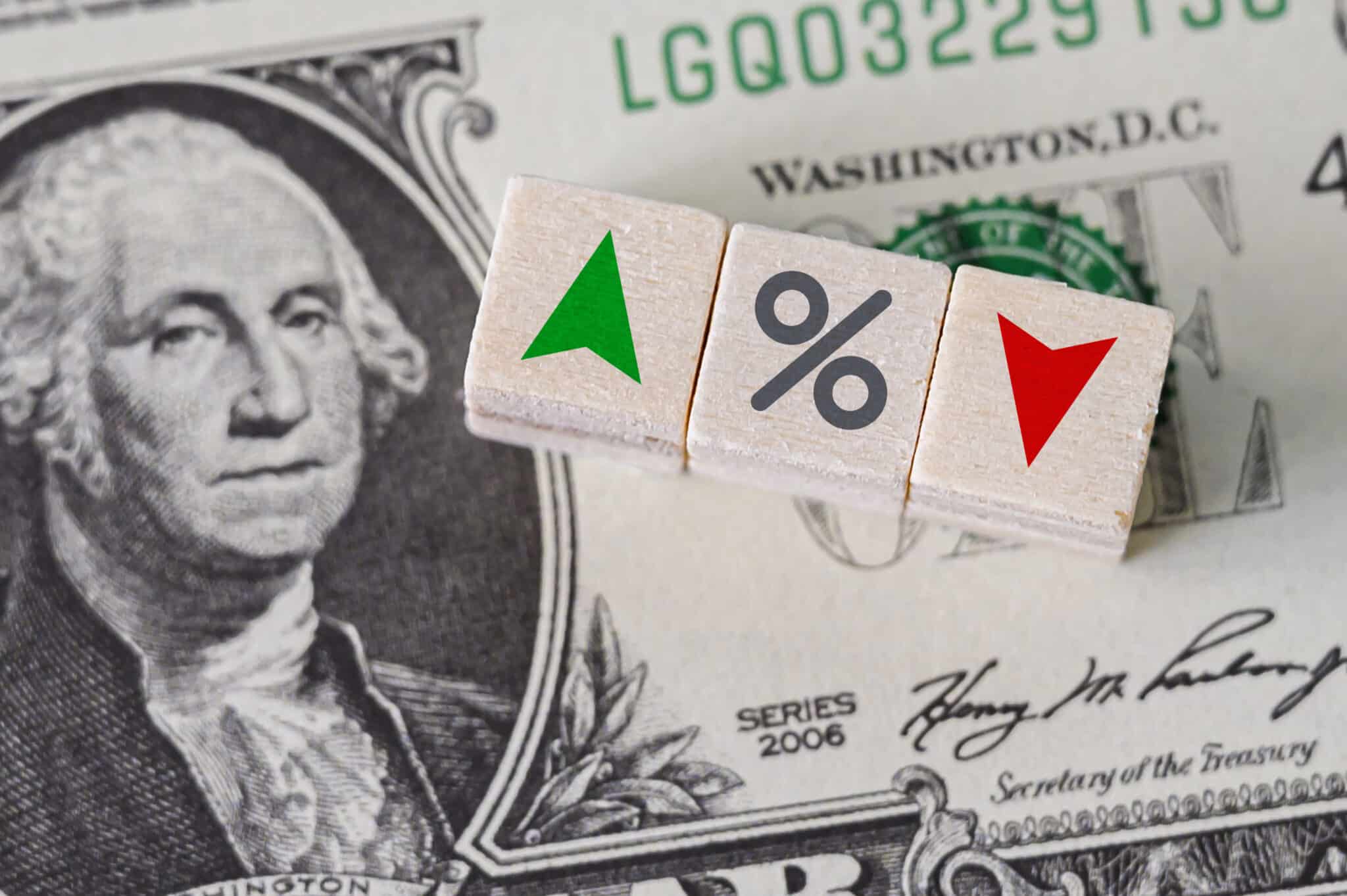
The implications for Israel are not insignificant. The domestic interest rate is already lower than the US rate, and a Bank of Israel decision to cut it while the US raises its rate would further widen the gap between the two countries. Such a situation could put pressure on the exchange rate and make matters more difficult for the bank, particularly given the possibility that the stronger dollar will eventually feed through to the prices of imported goods and affect domestic inflation.
The dollar returns to center stage
After a period in which inflation gave the Bank of Israel room to maneuver, the foreign exchange market now raises another question. The dollar has strengthened by about 6.7% since the beginning of November, a change that could make the trend of moderating prices less stable.
The strengthening of the US currency could affect the prices of goods imported into Israel, production costs and the expenses of companies that depend on purchases from abroad. The impact of the change in the exchange rate is not necessarily immediate, but it could be reflected in the next indexes and affect inflation forecasts.
The Bank of Israel will also have to take into account the uncertainty surrounding the 2027 state budget, which has not yet been completed. The level of spending, funding sources and fiscal measures included in the budget could affect demand in the economy and inflationary pressures going forward.
The economy is growing rapidly — and that does not necessarily support a cut
Alongside the moderation in inflation, the latest data on economic activity in Israel point to a significant recovery. According to the Central Bureau of Statistics' first estimate for the national accounts, gross domestic product grew at an annual rate of 8% in the third quarter. Even excluding the contribution of chip giant Nvidia, growth totaled about 4%.
This represents quarterly growth of about 1%, a rate indicating relatively strong economic activity. Output in the business sector, considered the economy's main engine, surged by 11.5%. Private consumption expanded by more than 6%, and investment in the economy rose by 11.3%.

The data indicate that the economy is managing to demonstrate a broad recovery, rather than relying solely on isolated activity by large technology companies. From the Bank of Israel's perspective, rapid growth could reduce the urgency of cutting the interest rate: Further easing of credit conditions could strengthen demand in the economy and, under a certain scenario, also create renewed price pressures.
This scenario reflects the central dilemma facing policymakers: On the one hand, low inflation makes it possible to consider an interest rate cut that would ease the burden on households and businesses and lower financing costs. On the other hand, the stronger dollar, global developments and economic growth require caution before beginning another round of easing.
The upcoming interest rate decision will therefore be much more than a response to the October index. It will indicate the extent to which the Bank of Israel believes the moderation in inflation is stable, and how willing it is to risk widening the gap with interest rates worldwide. Even if a decision is made to cut the interest rate, it is not certain that this will mark the beginning of a series of cuts.