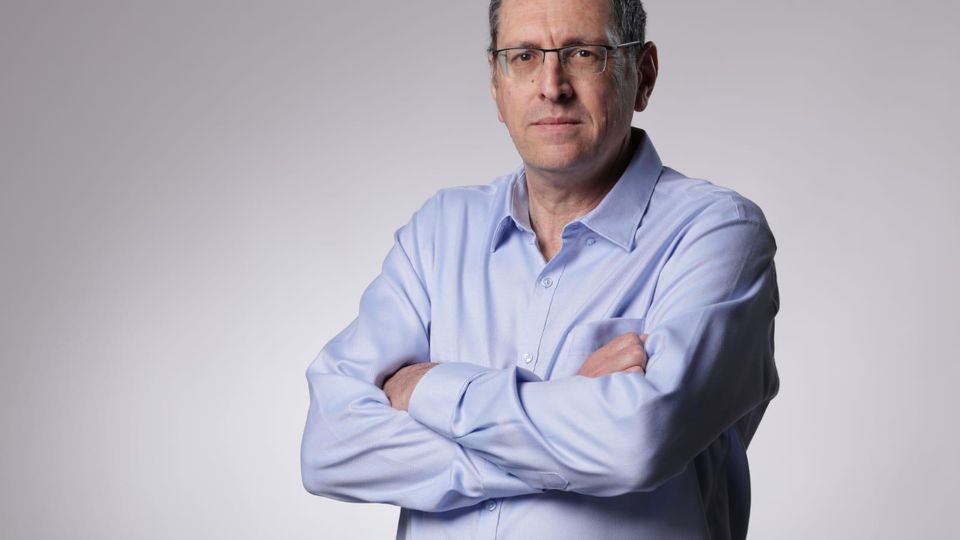
Greg Abel, CEO of Berkshire Hathaway and Warren Buffett’s successor, is wasting no time reshaping the investment portfolio of one of the world’s largest investment companies.
Since taking office at the end of last year, Abel has made significant changes to the company’s investment portfolio, which is worth hundreds of billions of dollars, signaling that technology and artificial intelligence stocks are also taking a central place in its strategy.
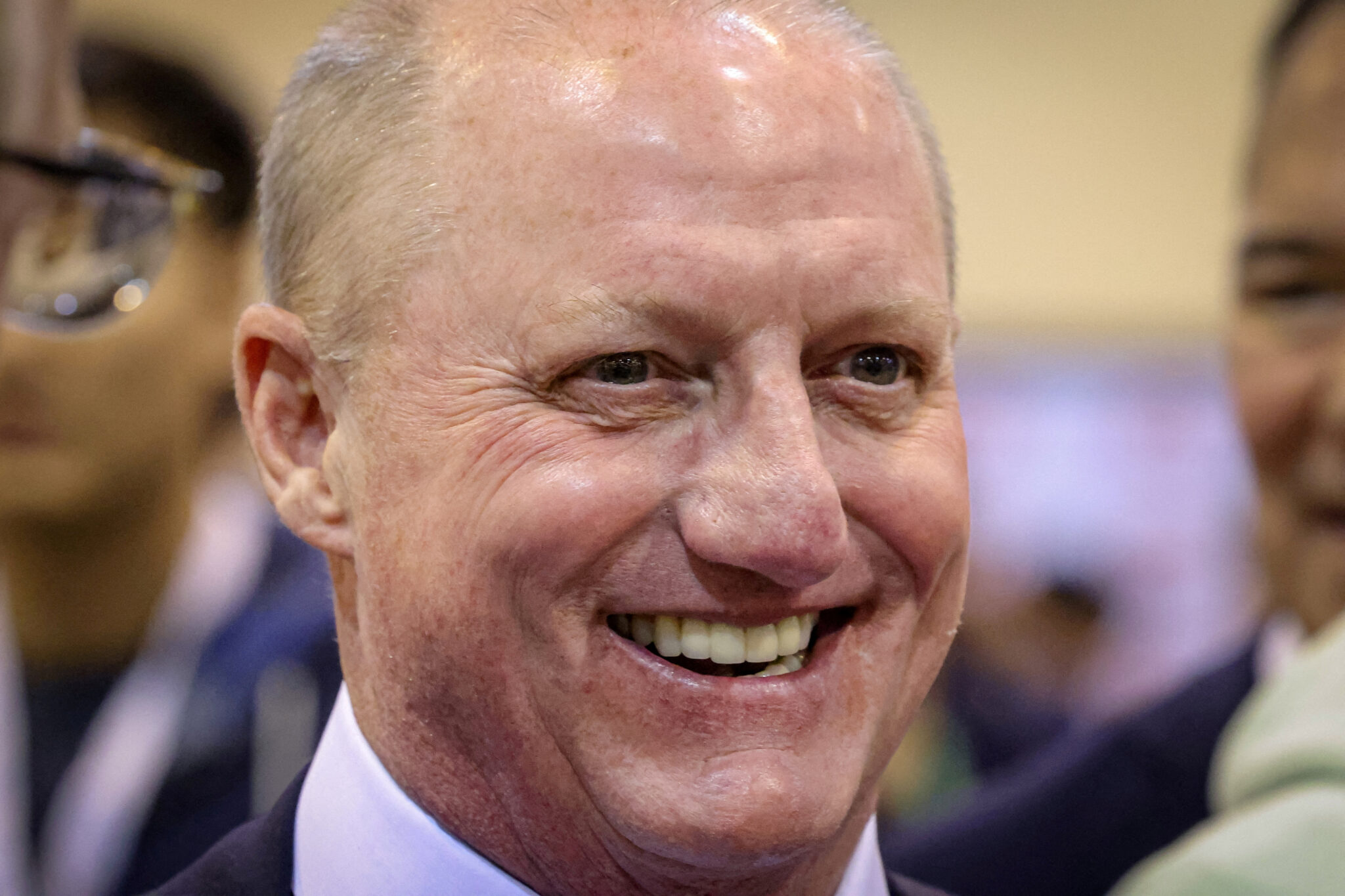
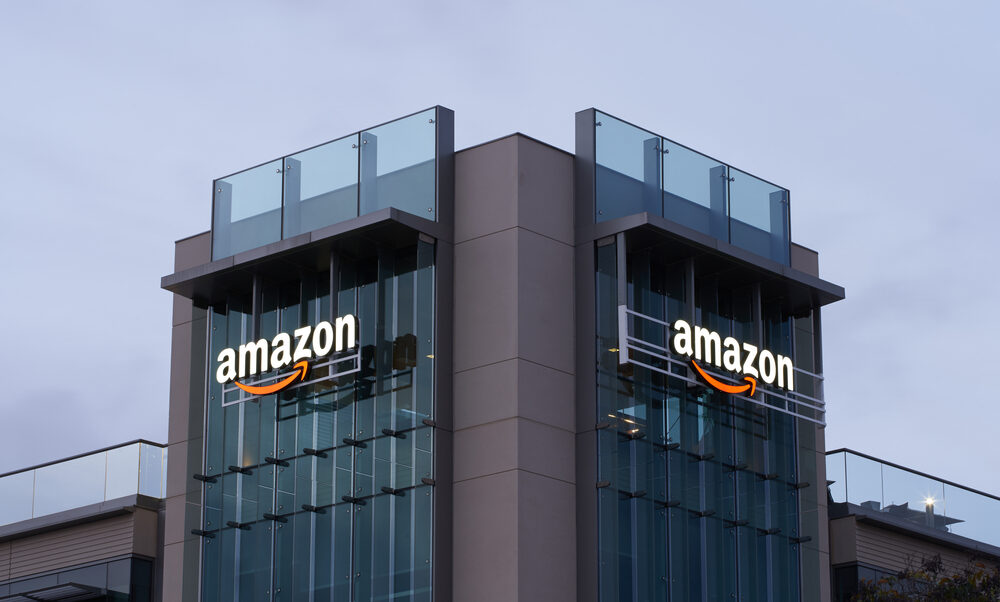
One of Abel’s most notable moves was the sale of Berkshire’s entire stake in Amazon, alongside increased exposure to Alphabet, Google’s parent company. But the move that perhaps provides the clearest signal of a shift in Berkshire’s approach is its investment in technology company Bending Spoons, carried out in two stages since July.
Amazon Stake Removed From the Investment Portfolio
In September 2025, Berkshire held Amazon shares worth about $2.2 billion. It was not one of the portfolio’s largest investments, but it had generated a significant return for the company since it first invested in 2019.
Amazon holds a leading position in e-commerce, but one of its key growth engines is its AWS cloud services division. The division accounts for more than a quarter of the global cloud infrastructure market, and demand for its services has gained renewed momentum following the integration of artificial intelligence solutions and large language models.
In the third quarter of 2026, AWS reported revenue growth of 39%, with revenue totaling $46 billion. The division’s operating margin reached 39%, compared with 35% in the same period last year.

So why did Berkshire decide to exit the investment? One possibility is that it took profits after the stock’s gains. Buffett and Abel are known for an approach that favors concentrating investments in a relatively small number of companies in which they identify the greatest investment potential.
Another possibility is related to the departure of Todd Combs, one of Berkshire’s senior investment managers, who moved to JPMorgan. A significant portion of the 16 stocks Berkshire sold in the first quarter were investments that had previously been under Combs’ responsibility.
$930 Million on One Technology Company
Alongside the sale of Amazon, Abel increased the investment in Bending Spoons, a technology platform specializing in acquiring and improving digital companies. Berkshire invested about $600 million in the company’s initial public offering in July, and in October it announced the purchase of an additional 10 million shares in a private placement for $330 million.
In total, Berkshire invested about $930 million in the company in two stages. As of the close of trading on October 29, the value of its stake was estimated at about $1.4 billion.
Bending Spoons’ business model is based on acquiring existing technology companies and improving their performance. The company uses software it has developed, artificial intelligence tools and operational changes, including price increases and workforce reductions, to increase the profitability of the companies it acquires. Its notable acquisitions include AOL and video-sharing platform Vimeo.
The company is profitable while growing rapidly, with preliminary forecasts pointing to revenue growth of about 47% next year. However, a significant portion of its growth potential depends on its ability to continue making acquisitions and improving the operations of the companies it adds to its portfolio.
Is Berkshire Changing Direction?
Abel’s investments in Alphabet and Bending Spoons, alongside the sale of Amazon, indicate that Berkshire under his leadership may be more open to opportunities in technology and artificial intelligence.
For years, Berkshire was known for Buffett’s cautious approach to investing in technology companies, in part because of the difficulty of assessing their competitive advantage over time. However, the latest investments indicate that under Abel, technology and artificial intelligence are becoming a more significant part of the company’s investment landscape.
The main message is not necessarily that Berkshire is abandoning Buffett’s investment principles, but that it is prepared to apply them to technology companies as well when it identifies a profitable business model and significant growth potential.