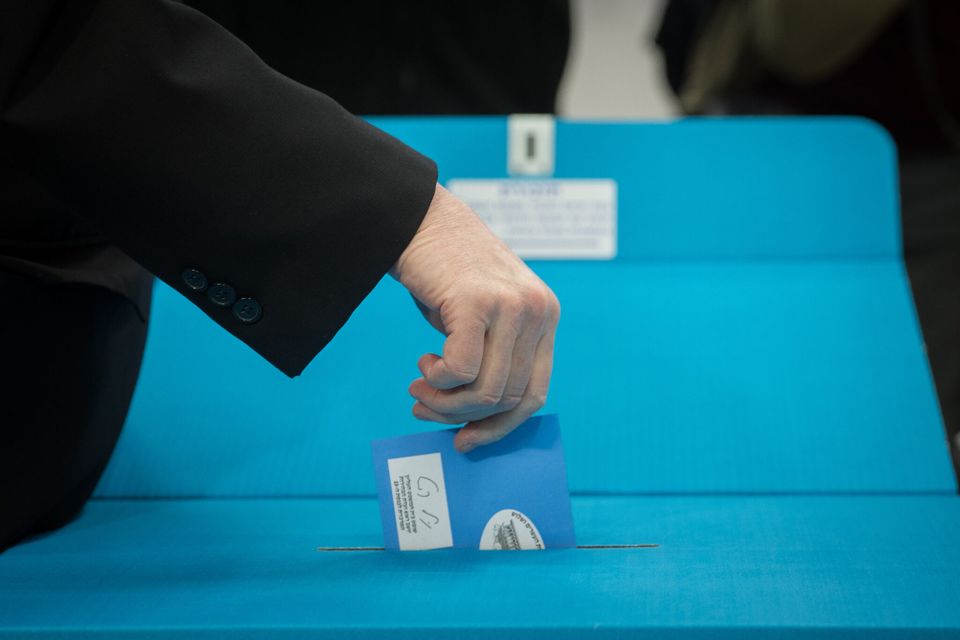
Ahead of the elections for the 26th Knesset, which will be held next Tuesday, October 27, 2026, historical data indicate that elections in Israel are accompanied by a sharp rise in stock market volatility, but their impact does not last long. An analysis by the research unit of the Tel Aviv Stock Exchange (TASE), which examined the 10 elections held in Israel from 2003-2022, found that volatility in the leading stock indexes rises by up to 45% in the weeks after voting compared with a regular trading week. However, despite weakness early in the period, the indexes tend to recover within about a month.
Looking at returns on the first trading day after the elections, the TA-35 rose by an average of 0.58%, while the TA-125 gained 0.52%. The picture changes over the first week: The TA-35 recorded an average decline of 0.89% over the period, while the TA-125 fell 0.67%. But the initial weakness did not last long. After a month, the average cumulative return was 1.72% for the TA-35 and 1.67% for the TA-125.
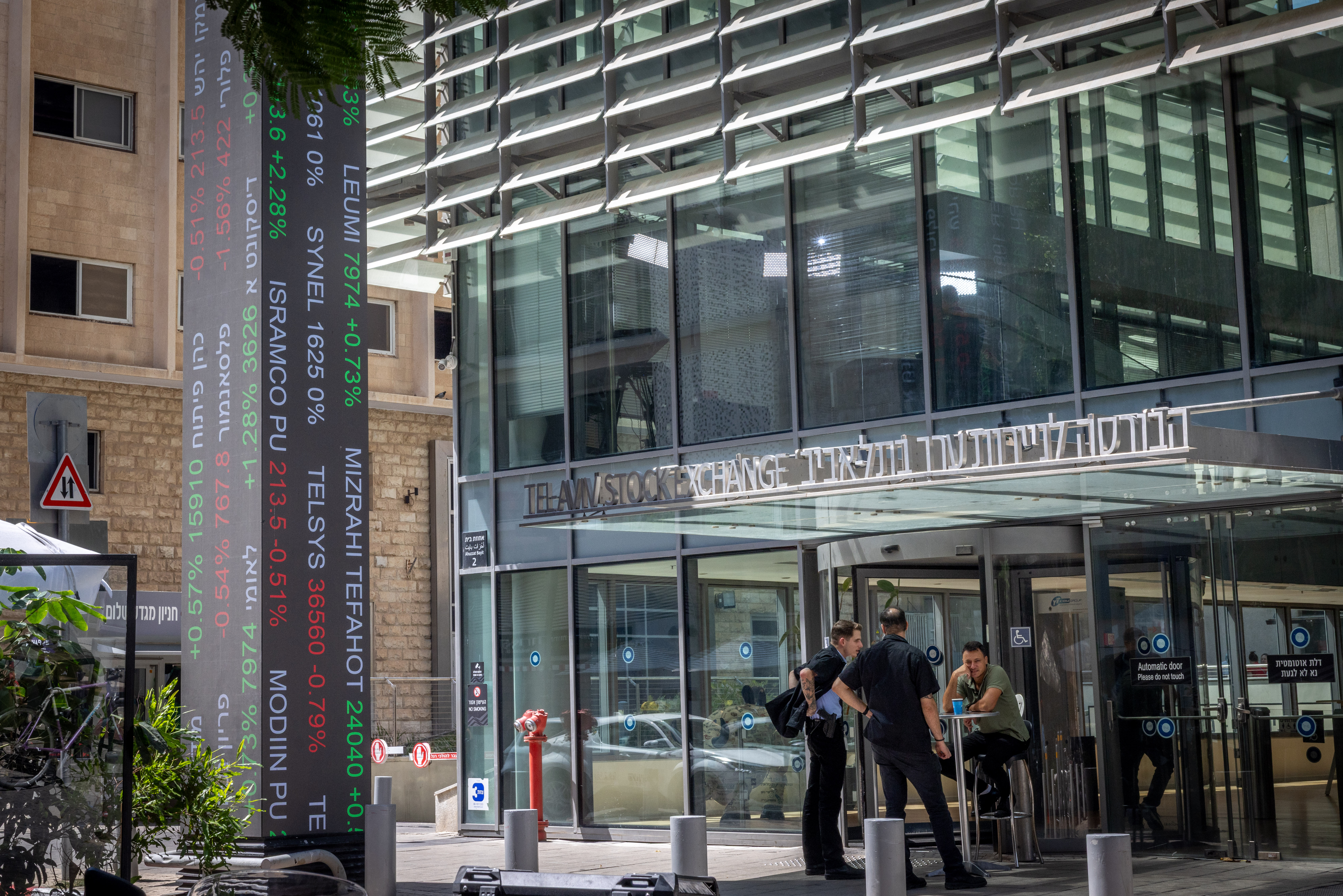
Alongside the fluctuations in returns, the data point to a significant rise in the level of market uncertainty. During the first three weeks after the elections, volatility in the indexes was 31%-45% higher than in a typical trading week. Volatility moderated later in the month, in line with a gradual return to more stable trading conditions.
Why do elections continue to affect the market even after the results are announced?
The end of voting does not necessarily bring an end to political uncertainty. Investors must assess what the next government will look like, how long it will take to form and whether it will be able to advance economic policy and pass a state budget. Although coalition negotiations may continue for months, the market may develop a clearer picture of the political direction and its economic implications within just a few weeks.
During such a period, investors seeking to reduce exposure to sharp fluctuations can consider using financial instruments, including options and derivatives on the leading indexes. However, protection against declines carries costs and risks of its own, and should therefore be tailored to investment objectives and the desired level of risk.
By contrast, for long-term investors, temporary volatility is not necessarily a reason to change their investment strategy. Attempts to time the market and exit ahead of an unstable period may result in missing positive trading days, making it important to distinguish between short-term fluctuations and fundamental changes in economic conditions.
Over the long term, stock market performance is influenced primarily by fundamental factors, including the pace of growth, the interest rate, inflation and corporate profits. According to the analysis, economic conditions in Israel include inflation and the interest rate that are relatively low compared with many developed economies, a tight labor market and a low unemployment rate, alongside expectations for high growth relative to other developed countries.
The conclusion from the data is that elections may increase stock market volatility in the short term, but this does not necessarily indicate a prolonged change in direction. After the market digests the results and assesses the political and economic implications, the fluctuations may moderate, while the long-term direction continues to depend primarily on the state of the economy and corporate performance.