
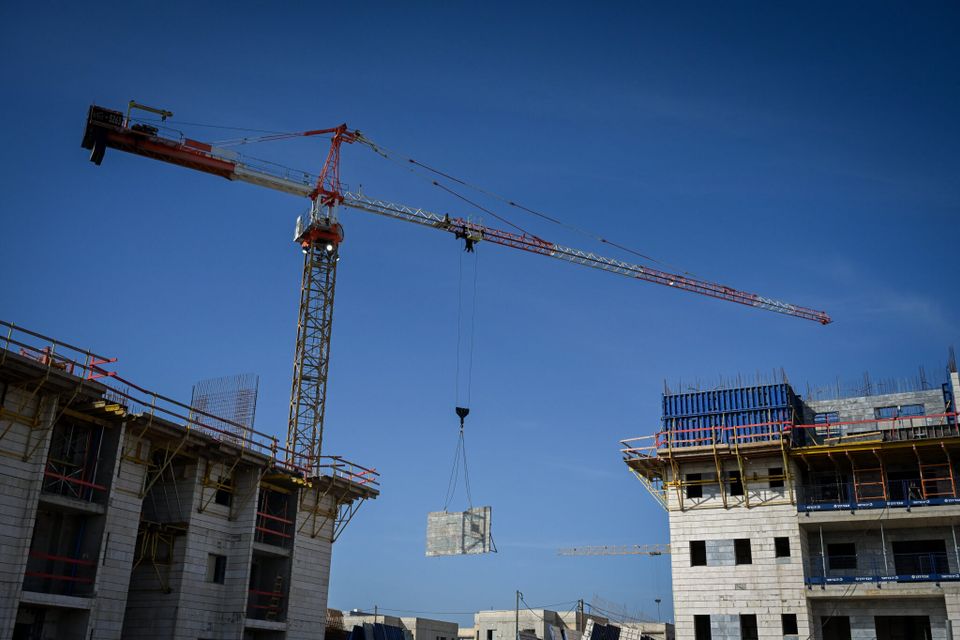
The chief economist at the Ministry of Finance today (Wednesday) published the residential real estate sector review for August 2026, presenting a complex picture of the market.
Alongside a continued decline and some of the lowest transaction volumes recorded in the free market since the early 2000s, there has been a pickup in government-subsidized activity and another increase in the prevalence of financing incentives offered by developers.
Decline in Free-Market Transactions
A total of 7,532 homes were purchased in August (new and second-hand, including government-subsidized homes), reflecting a decline of 1% compared with August last year and a decline of 2% compared with the previous month.
Excluding government-subsidized sales, total transactions in the free market amounted to only 6,242 homes, a decline of 5% both compared with the previous month and compared with August 2025.
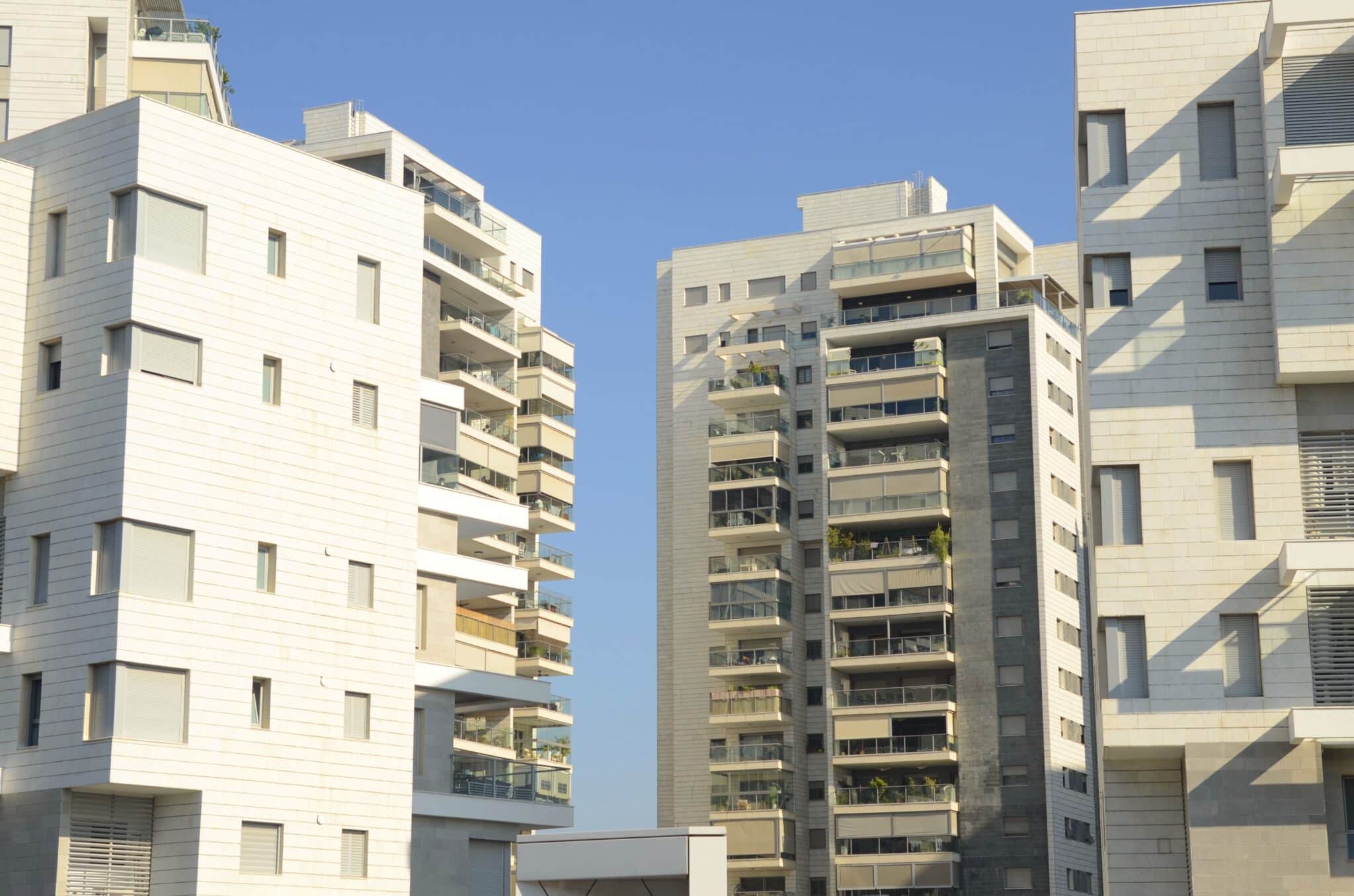
In a multiyear comparison, this was among the lowest transaction levels recorded in the free market during August since the early 2000s, with lower levels recorded only during the Second Intifada (2002–2003) and during the 2011 social protest.
The slump was particularly pronounced in the second-hand housing segment, where only 4,170 transactions were recorded (a decline of 7% compared with August last year).
Developer Sales and Financing Incentives
Developer sales in August totaled 3,362 homes (including government-subsidized homes), an increase of 6% compared with August 2025 and an increase of 13% compared with July.
However, the annual increase stemmed entirely from government-subsidized sales: Only 2,072 new homes were sold in the free market, a decline of 2% compared with August last year. Geographically, the southern region stood out with a continued decline of 13% in developers' free-market sales compared with August last year.
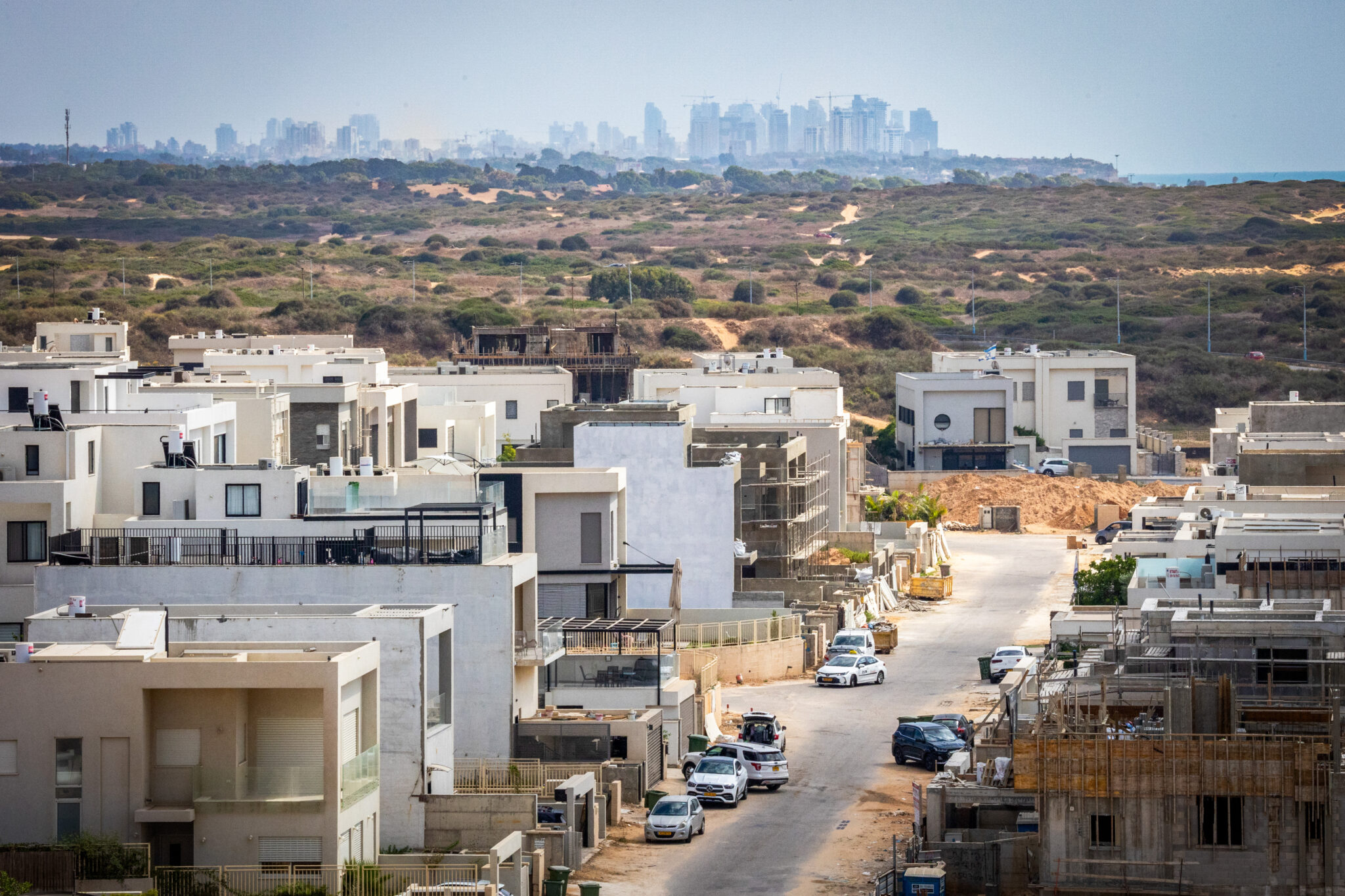
At the same time, there was another increase in the share of transactions in which a financing incentive from developers was reported. In the five areas examined (Central Israel, Tel Aviv, Hadera, Netanya and Beersheba), homes sold with a financing incentive accounted for 30% of total developer sales in the free market (in transactions with delivery in one year or later).
This marked a third consecutive monthly increase and a cumulative rise of 10 percentage points since May 2026. An exceptional peak in financing incentives was recorded in the Hadera area, where 73% of developers' free-market sales with future delivery included such an incentive.
Market Segments
Purchases in the free market increased by 9% compared with August last year (3,549 homes), and with the addition of government-subsidized purchases, the total reached 4,839 homes (an increase of 12%).
Discounted government-subsidized purchases totaled 1,290 homes, a jump of 22% compared with August 2025, with Haifa, Kiryat Gat, Beit Shemesh and Petah Tikva leading these sales.
By contrast, a sharp decline was recorded among move-up buyers: They purchased only 1,616 homes, a plunge of 27% compared with August last year and compared with the previous month. Among those changing homes, the share of “downsizers” (those who sold a home more expensive than the one they purchased) rose to 29%.
The investor market continued to show weakness: Investors purchased 1,077 homes (a decline of 2% compared with August last year) and sold 1,171 homes, meaning the inventory of homes held by investors continued to shrink by 94 homes. Investors' share of total market transactions remained stable at 14%.