

An End to the Delays

Underground Information Database Opens Digitally to Infrastructure Developers

The Ministry of Finance is regulating access to the Survey of Israel database, ending the need for individual requests to each company • The move will save costs and dramatically shorten the planning and implementation timelines for national projects

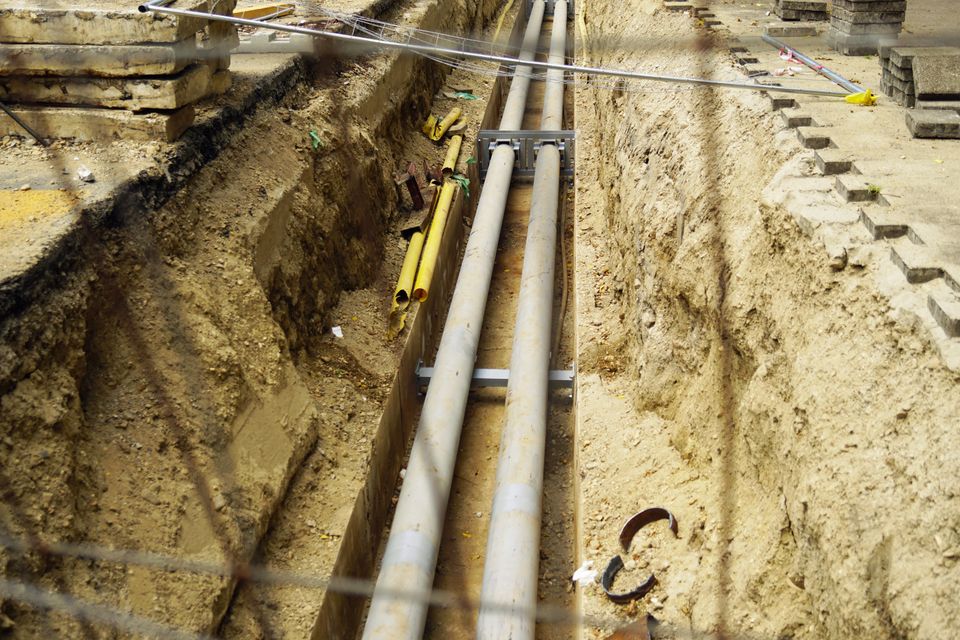
Underground infrastructure
Underground infrastructure | Photo: Shutterstock

A significant step to reduce bureaucracy and accelerate development projects in the Israeli economy is getting underway.

Finance Minister Bezalel Smotrich today (Tuesday) signed new regulations under the National Infrastructure Law that regulate and facilitate the transfer of underground information to developers.

Finance Minister Bezalel Smotrich
Finance Minister Bezalel Smotrich | Photo: Chaim Goldberg, Flash90

The move is intended to eliminate months of waiting for approvals and enable faster, more precise planning of large-scale projects.

An End to Delays With Infrastructure Bodies

Until now, a developer seeking to carry out a project had to contend with a cumbersome mechanism requiring a separate, individual request to each of Israel's infrastructure bodies, including water, electricity, communications and gas companies.

Communications infrastructure
Communications infrastructure | Photo: Shutterstock

This process created a significant bottleneck, caused prolonged schedule delays and increased preliminary planning costs by tens of percent. Once the regulations take effect, the information will be centralized and transferred directly from the mapping database managed by the Survey of Israel.

A Unified Digital Overview

Under the new regulations, all information will be made available digitally and in a centralized manner through the dedicated infrastructure coordination system.

Data infrastructure
Data infrastructure | Photo: Shutterstock

Authorized bodies operating in the field will be able to obtain a full and comprehensive overview of existing infrastructure routes in the requested work area, subject to compliance with the information security rules and procedures set out in the regulations. Direct access to the data will enable efficient coordination among the various parties and reduce the risk of damage to vital infrastructure during the work.

Budgetary Savings and a Boost to Economic Productivity

The Ministry of Finance emphasizes that the move is expected to generate direct cost savings and dramatically shorten the planning and implementation stages, helping remove obstacles for national projects.

Ministry of Finance in Jerusalem
Ministry of Finance in Jerusalem | Photo: Shutterstock

The Finance Minister said infrastructure development depends first and foremost on accessible information and effective coordination, and that the new policy will enable authorized bodies to act quickly, thereby strengthening economic growth and productivity across the economy.


Key takeaways

  • Finance Minister Bezalel Smotrich signed new regulations under the National Infrastructure Law to regulate access to underground information for developers.
  • The new framework is meant to end the need for separate requests to each infrastructure body and shift data access to a centralized digital system.
  • The Ministry of Finance says the change will save direct costs and significantly shorten planning and implementation stages for national projects.
  • Until now, developers had to request information individually from water, electricity, communications and gas infrastructure bodies, creating delays and raising preliminary planning costs.

Questions and answers

What changed for infrastructure developers under the new regulations?
Access to underground information is now being regulated and centralized digitally through the Survey of Israel mapping database. Developers will no longer need to submit separate, individual requests to each infrastructure body.
How is the new system expected to help projects?
The Ministry of Finance says it will eliminate months of waiting for approvals, reduce costs, and shorten the planning and implementation timelines for large-scale projects. It is also intended to reduce the risk of damage to vital infrastructure during work.
Who will be able to access the underground data?
Authorized bodies operating in the field will be able to obtain a full overview of existing infrastructure routes in the relevant work area. Access will be subject to the information security rules and procedures set out in the regulations.

Share this story

About the writer

Shai Nogai

Writes for TV10, Israel’s economic channel. This story was translated from the original Hebrew.

More stories by Shai Nogai

More for you






