

Breaking

How Much Does the Bank Earn on Your Money? The Numbers Behind It

Household deposits in October totaled approximately NIS 32.7 billion • The average interest rate on deposits for 6–12 months was 3.55%, while the average rate on prime-rate loans reached 7.95%

Investments
Investments | Photo: Shutterstock

New data published by the Bank of Israel on interest rates in the banking system show the gap between the interest households receive on the money they deposit with banks and the interest they pay on loans. The data, which cover October, include interest rates on deposits and prime-rate loans, alongside data on the public’s checking account balances.

Deposits: How much do banks pay for your money?

In October, household deposits totaled approximately NIS 32.7 billion. The interest rate offered by banks varies according to the deposit term and interest rate track.

For daily deposits, most deposits carry a variable interest rate, and the average rate was just 0.85%.

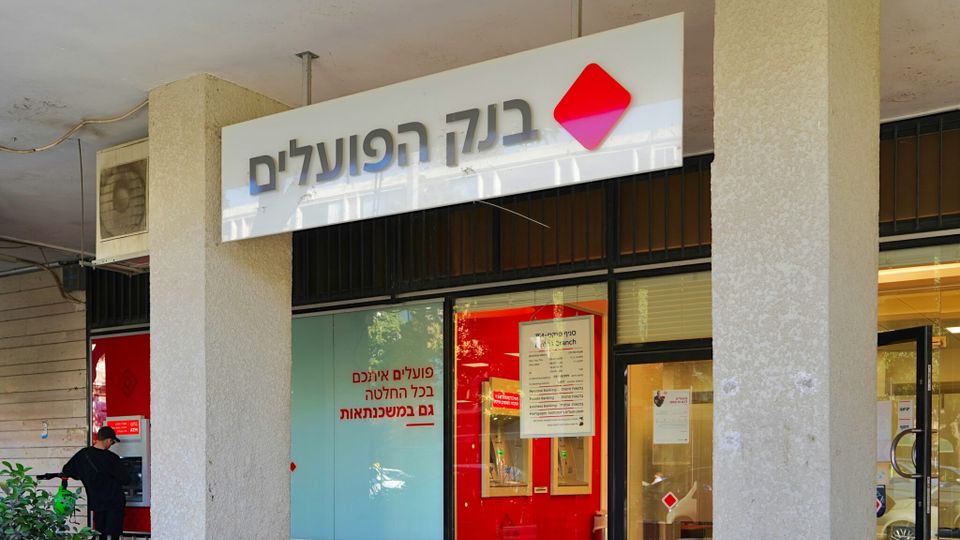
Israel’s largest banks — Leumi, Hapoalim, Mizrahi and Discount | Graphic: Shutterstock
Israel’s largest banks — Leumi, Hapoalim, Mizrahi and Discount | Photo: Graphic: Shutterstock

For weekly deposits, which also generally carry a variable interest rate, rates ranged from 0.31% to 2.52%, with the average rate at 1.97%.

For deposits with terms of 6 to 12 months, including annual deposits, most tracks are offered at a fixed interest rate. The average interest rate in the banking system for these tracks was 3.55%.

And what about interest rates on loans?

On the credit side, the average interest rate on prime-rate loans was 7.95% in October. The rates offered by banks ranged from 4.06% to 16.35% — a significant gap illustrating the variation in credit terms received by different customers.

opinion-66420
Bank of Israel Governor Prof. Amir Yaron | Photo: Yonatan Sindel/Flash90

NIS 237 billion in checking accounts

Another figure published by the Bank of Israel concerns funds held by the public in checking accounts. Positive checking account balances held by private customers totaled approximately NIS 237 billion in September.

The data are published on the Bank of Israel’s “Equalizer” website, which allows the public to compare the interest rates offered by banks on deposits and loans and examine the terms of banking services.

Key takeaways

  • In October, household deposits totaled approximately NIS 32.7 billion.
  • The average interest rate on daily deposits was 0.85%, while weekly deposits averaged 1.97%.
  • For deposits with terms of 6 to 12 months, the average interest rate in the banking system was 3.55%.
  • The average interest rate on prime-rate loans in October was 7.95%, with bank offers ranging from 4.06% to 16.35%.
  • Positive checking account balances held by private customers totaled approximately NIS 237 billion in September.

Questions and answers

How much did households deposit with banks in October?
Household deposits totaled approximately NIS 32.7 billion in October. The interest rate varied by deposit term and track.
What was the average interest rate on deposits?
Daily deposits averaged 0.85%, weekly deposits averaged 1.97%, and deposits with terms of 6 to 12 months averaged 3.55%.
How much did banks charge on prime-rate loans?
The average interest rate on prime-rate loans was 7.95% in October. Across banks, the rates ranged from 4.06% to 16.35%.

Share this story

About the writer

TV10 Desk

Writes for TV10, Israel’s economic channel. This story was translated from the original Hebrew.

More stories by TV10 Desk

More for you