
Discount Group published its financial statements for the third quarter of 2026 this morning (Wednesday), reporting net profit of NIS 910 million, down 19.7% from NIS 1.13 billion in the same quarter last year. Return on equity stood at 10.4%, compared with 13.7% in the corresponding quarter.
The results were affected, among other things, by a one-time provision of NIS 200 million (about NIS 130 million after tax), recorded following the decision to merge Mercantile Bank into Discount, as well as by the special tax imposed on banks. Excluding these and other items, net profit for the quarter totaled about NIS 1.1 billion, and return on equity stood at 12.6%.
In the first 9 months of 2026, the group’s net profit totaled NIS 3.04 billion, down 7.3% from NIS 3.28 billion in the corresponding period last year. Excluding exceptional items, profit totaled NIS 3.46 billion, compared with NIS 3.61 billion last year.
The group’s revenue in the third quarter totaled NIS 3.3 billion, down 6.4% from the corresponding quarter. At the same time, operating and other expenses rose 13.4% to NIS 1.76 billion. The group’s efficiency ratio stood at 53.3%, compared with 44% in the corresponding quarter, and at 47.6% excluding exceptional items.
On the credit side, Discount reported growth of 6.7% since the start of the year, to about NIS 308 billion. Credit to the business sector grew 8.2%, non-mortgage household credit rose 5.4%, and housing credit grew 7.4%. The bank’s credit-loss expenses totaled NIS 126 million in the quarter, compared with NIS 197 million in the corresponding quarter.
Mercantile merger: NIS 250 million in annual savings
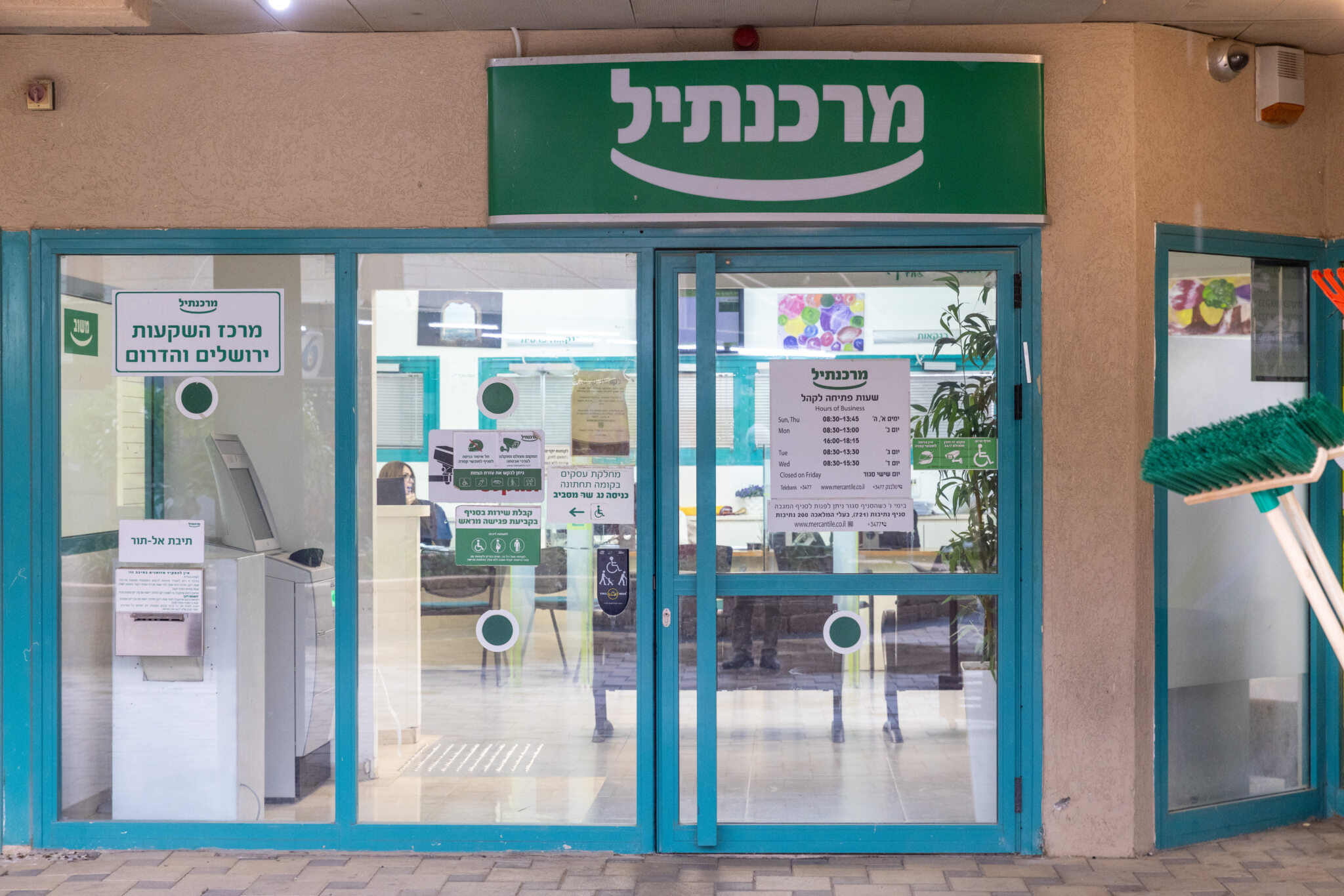
One of the group’s key moves is the merger of Mercantile Bank into Discount. As part of the move, which was approved by the boards of directors of both banks in October, about 500 to 600 employees are expected to leave gradually during 2027–2028. A final framework for reducing the workforce has not yet been formulated, and negotiations with employee representatives are still underway.
Discount estimates that the merger will generate annual savings of about NIS 200 million in personnel costs, alongside additional savings of about NIS 50 million in technology and real estate. The Mercantile brand is expected to be retained after the merger, as are the areas of activity in which the bank has expertise and a strategic advantage.
At the same time, the group is continuing its efficiency plan, which includes cutting about 600 positions during 2026. According to the bank, about 90% of the target has already been achieved or is in the implementation stages, and the expected annual savings from the move are estimated at about NIS 270 million.
NIS 364 million dividend — and what is happening with Cal?
Alongside the results, Discount’s board of directors decided to distribute a dividend equal to 40% of third-quarter profits, totaling about NIS 364 million.
At the same time, Cal’s future remains open. The deal to sell control of the company to Union and Harel encountered difficulties following the conditions imposed by the Israel Competition Authority for approval of the merger. The bank is now examining its contractual rights and options for separating from Cal through other alternatives, including a sale or an offering, and has asked regulators for an extension to fulfill the sale requirement.
As of the end of September, the group’s Tier 1 capital ratio stood at 10.32%, its liquidity coverage ratio totaled 121.6%, and deposits from the public reached about NIS 371 billion, up 3.3% since the start of the year.
Discount Group CEO Avi Levy said upon publication of the reports: “Discount Group continues to implement significant strategic decisions that will shape it for the coming years. The decision to merge Mercantile, as a major step that will focus and streamline the group’s structure, together with the efficiency measures implemented across the group this year and additional processes that will be completed later, will make Discount a more growth-oriented, focused and competitive group.”