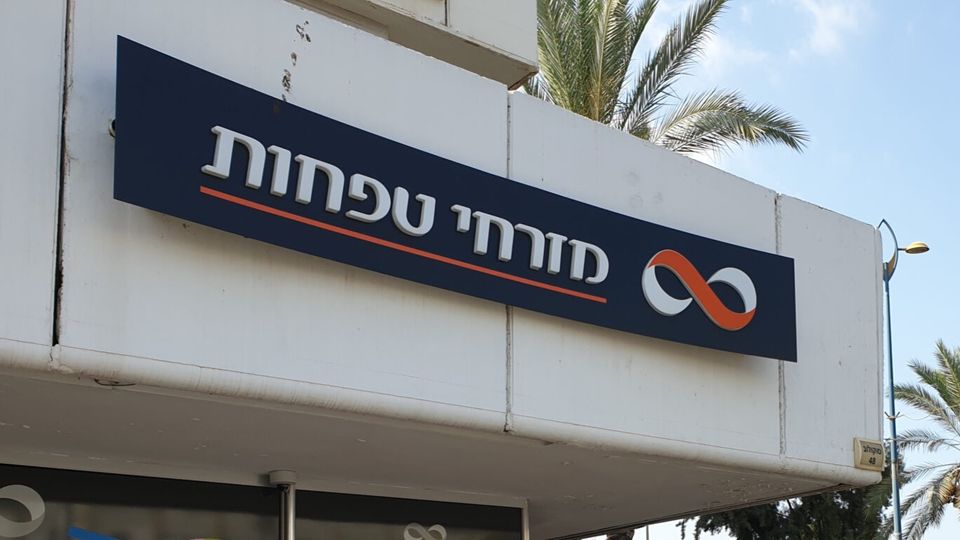
Mizrahi-Tefahot Bank announced today (Sunday) a 1:5 stock split aimed at lowering the price of each share and increasing its appeal in the capital market.

The proposal, formulated by the bank’s management under CEO Moshe Lari, has already received the green light from the bank’s board and is now being submitted for final approval by the annual general meeting of shareholders.
How Will It Work in Practice?
Under the split, each existing share of the bank will be divided into five new shares, and the price of each share will decline accordingly.
The implications for investors are simple: Anyone who currently holds one Mizrahi-Tefahot share, trading at about NIS 205, will hold five shares after the move is completed, with each priced at about NIS 41.

Accordingly, the number of the bank’s issued and paid-up shares, along with its registered capital, will increase fivefold. The bank stressed that this is a technical move that does not change the bank’s total market value or the aggregate value of existing shareholders’ holdings.
The Goal: Broader Public Access and Increased Liquidity
The main consideration behind the move is to open the door to small retail investors. A share price of more than NIS 200 sometimes constitutes a psychological and financial barrier for private investors seeking to buy shares for relatively small amounts.

Lowering the share price to just tens of shekels is expected to make it far more accessible and allow a broader segment of the public to include it in their investment portfolios. In addition, increasing the supply of shares available for trading is expected to boost the stock’s trading volume and liquidity, allowing faster and easier buying and selling.
Bank CEO: “An Expression of Confidence in Growth”
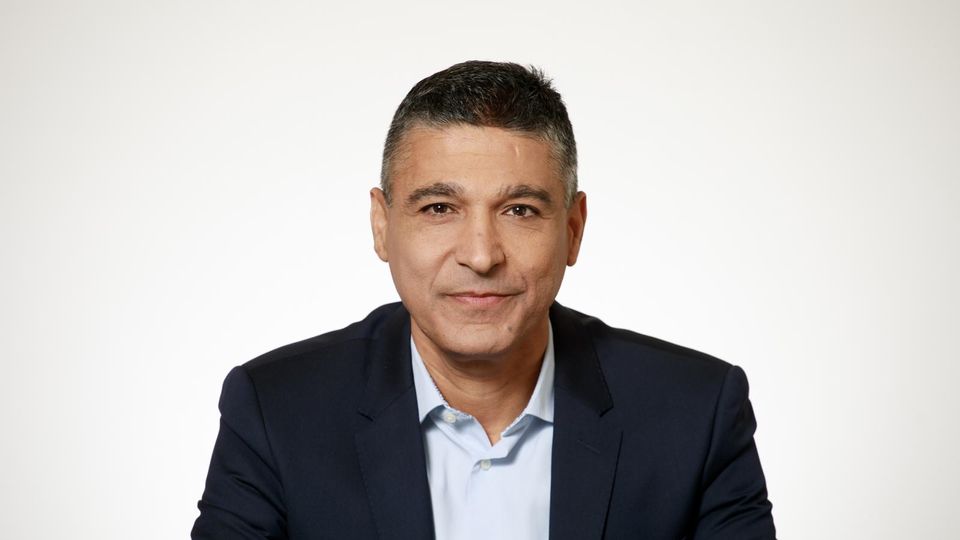
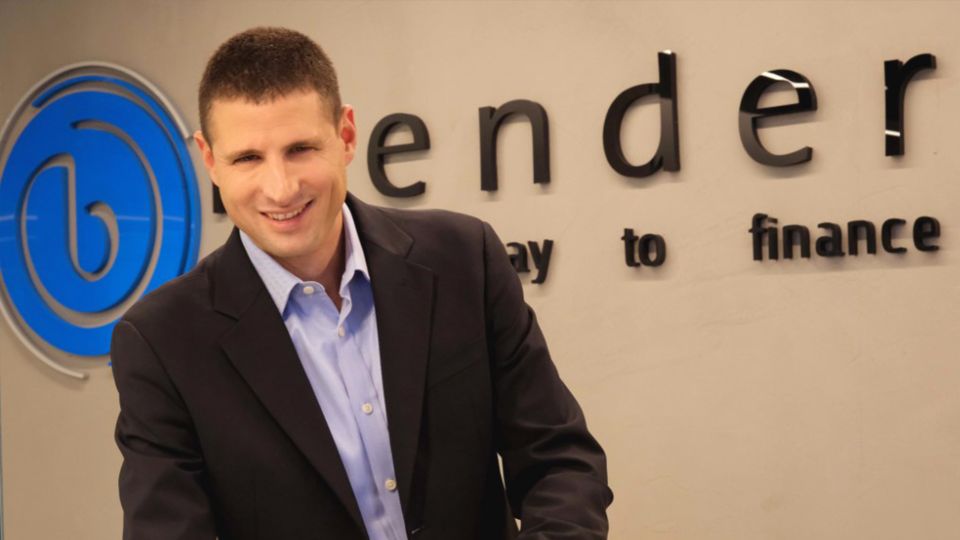
Mizrahi-Tefahot CEO Moshe Lari addressed the move and explained that reducing the share price at a ratio of 1:5 would make it attractive to investors investing small amounts as well, while increasing trading volume in the market.
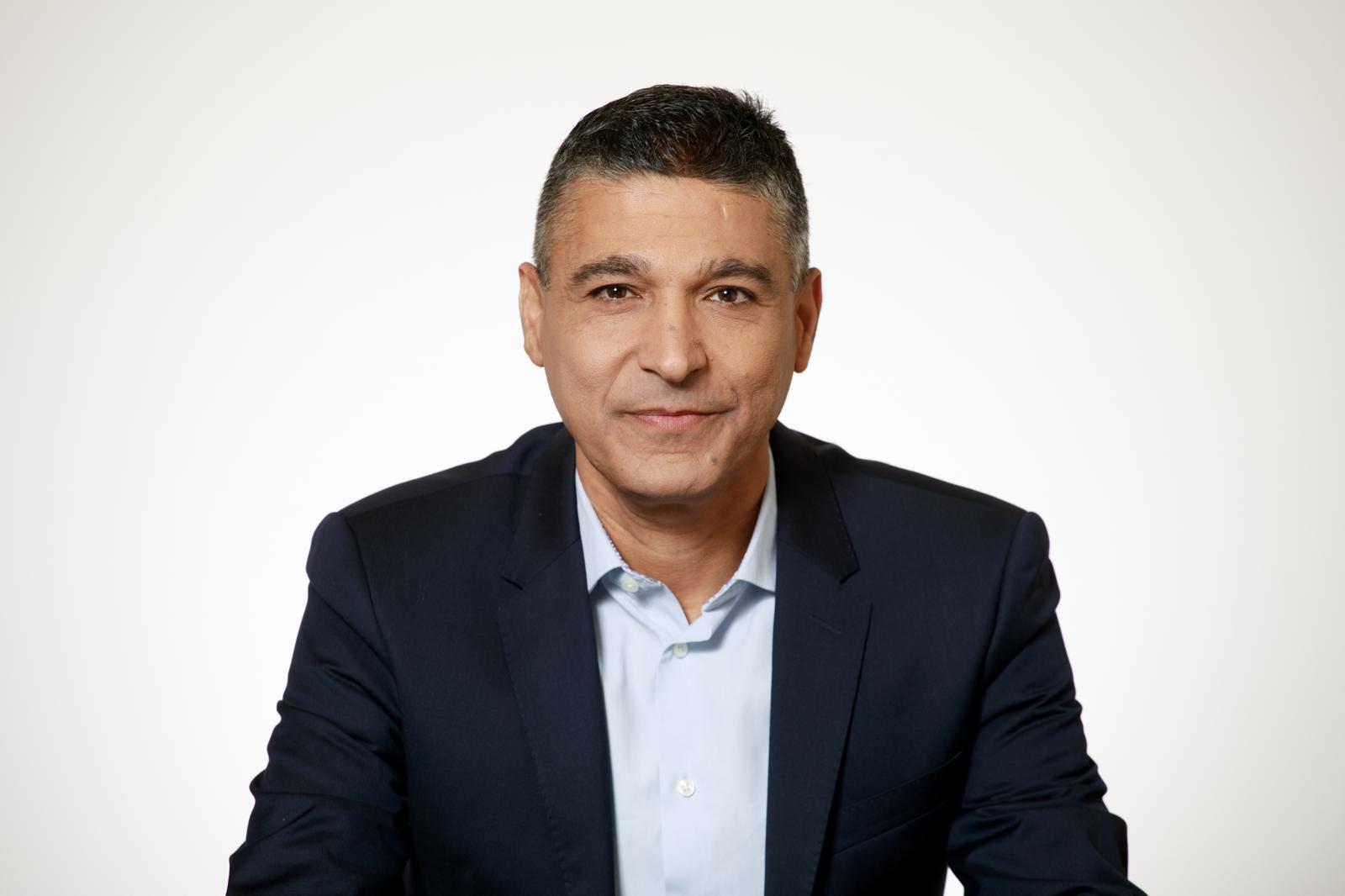
“The board’s decision to approve management’s proposal reflects confidence in the way the bank continues to develop and grow in line with its strategic objectives, while at the same time maximizing value for all its stakeholders,” Lari said.