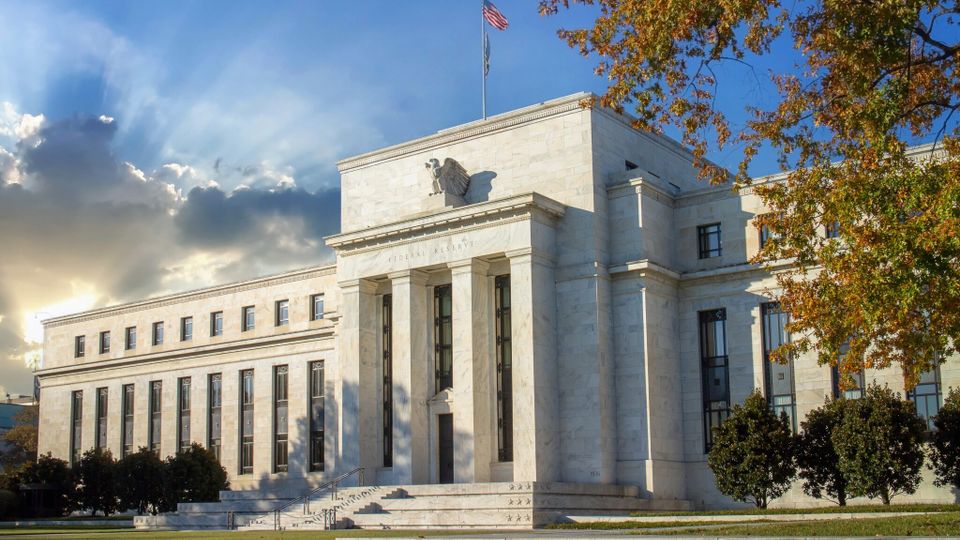
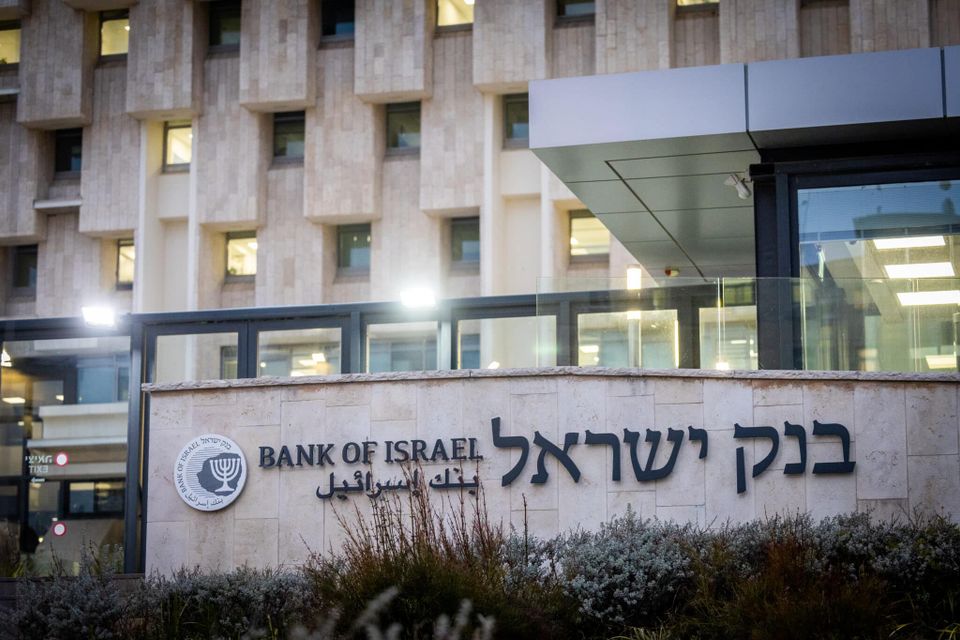
The Bank of Israel Monetary Committee decided to leave the interest rate unchanged at 3.25%.

The decision came against a backdrop of an inflation environment below the midpoint of the target range, alongside rapid growth in economic activity on the one hand, and high geopolitical and fiscal uncertainty on the other.
Inflation Below Target Midpoint — but Shekel Weakens
The annual inflation rate stood at 1.6% in September, slightly below the midpoint of the Bank of Israel's target range. However, since the previous interest rate decision, the shekel has depreciated by 3.1% against the dollar and by 2.2% in effective terms.

The Bank of Israel noted that inflation expectations for the coming year and subsequent years remain around the midpoint of the target range, but global inflationary pressures are increasing due to rising energy prices and supply chain disruptions.
Growth Forecast Updated
The Bank of Israel Research Department updated its GDP growth forecast to 5.6% in 2026 and 7.5% in 2027.
The revision stems mainly from the significant contribution of production by Israeli companies abroad. When GDP is examined without overseas production, which more accurately reflects the domestic economy, the forecast is for growth of 3.4% in 2026 and 5.1% in 2027.

Current indicators point to a continued rapid recovery from the effects of Operation "Lion's Roar," although supply constraints continue to weigh on the economy.
Labor Market and Decline in Home Prices
The labor market remains tight, and the broad unemployment rate stands at 3.3%. The pace of nominal wage growth moderated to 4.3% compared with last year.
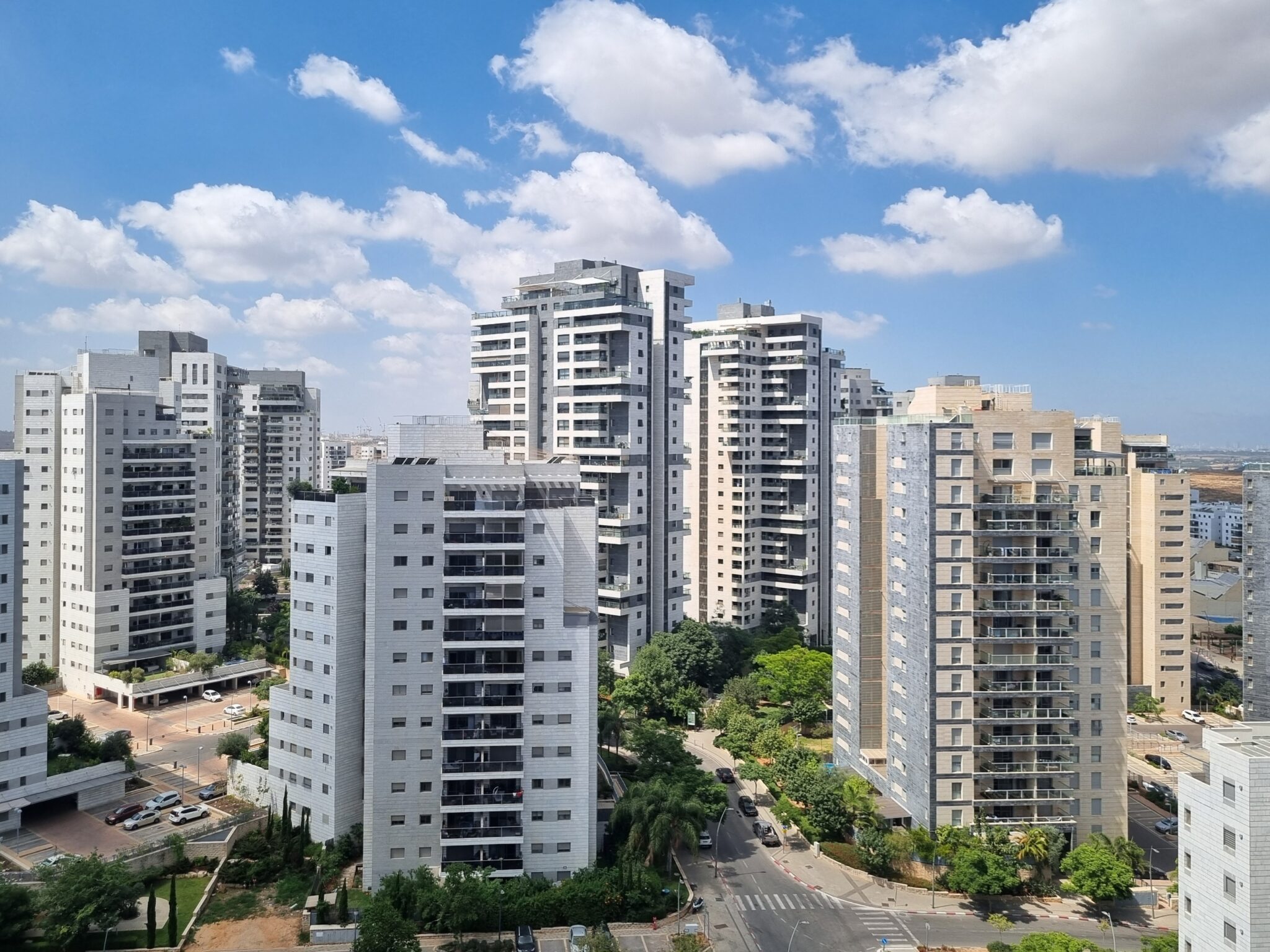
In the real estate sector, home prices fell by 0.6% in July-August and declined by 1.8% annually, while the housing component of the Consumer Price Index (CPI) maintained an annual increase of 3.8%.
Geopolitical Situation
The Bank of Israel warned of significant risks affecting the future interest rate path. Beyond unstable geopolitical tensions, there is considerable fiscal uncertainty. The government deficit over the past 12 months stands at 3.2% of GDP.

The Monetary Committee emphasized that the future interest rate path will be determined in accordance with developments in inflation, the economy, and the fiscal and security arenas.