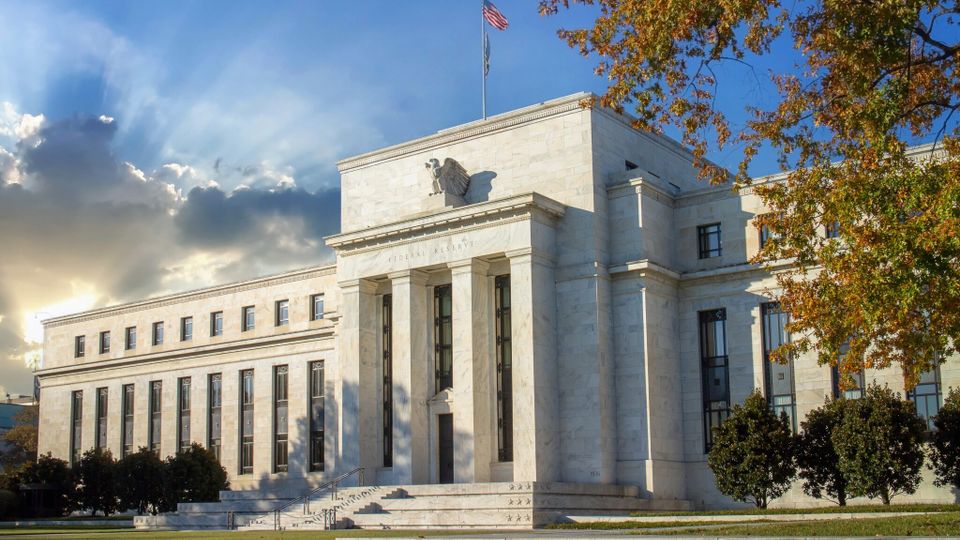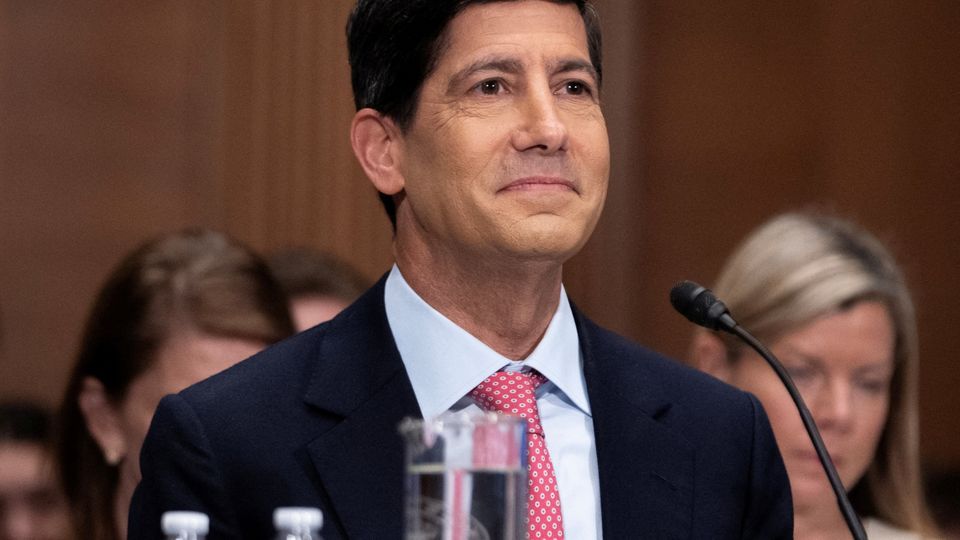
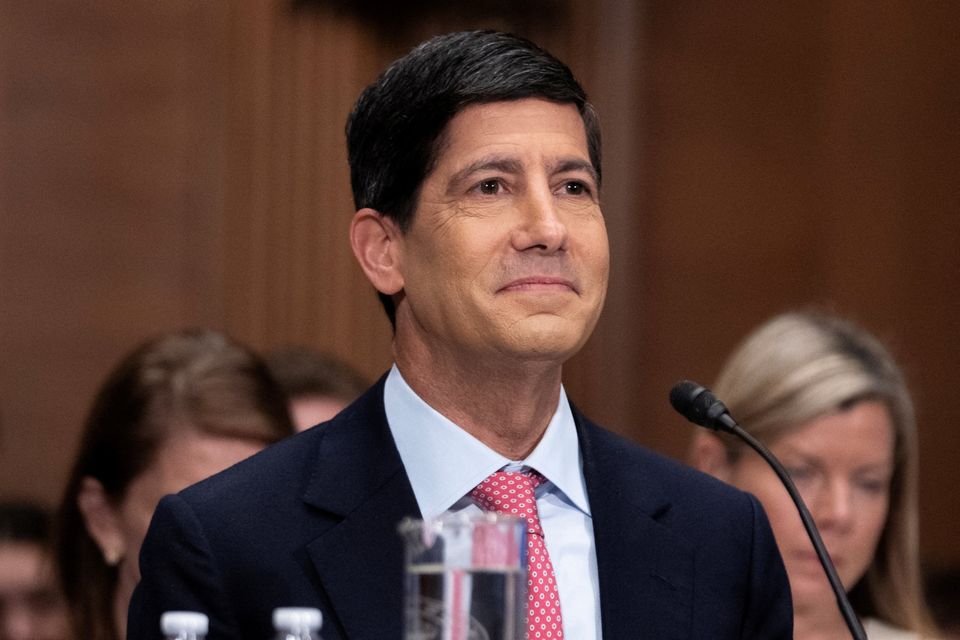
Hopes for an easing of US monetary policy are fading. After markets estimated in early 2026 that the Federal Reserve could begin lowering the interest rate as inflation moderated, the latest economic data point to a completely different picture: Price pressures are intensifying again, and the Fed is preparing for the possibility of further monetary tightening.
Ahead of the Federal Open Market Committee meeting of the Federal Reserve, scheduled for December 8, expectations are growing that the central bank will be forced to continue raising the interest rate. According to data from the CME FedWatch tool, about 88% of market traders expect another increase of 0.25 percentage point next month.
Inflation Data Undermine Forecasts
Data released in October reinforced concerns about a resurgence in inflation. The Consumer Price Index (CPI) rose 0.4% from the previous month, while early forecasts called for an increase of just 0.3%. The core index, which excludes food and energy prices, also surprised negatively with a monthly increase of 0.3%, compared with expectations of 0.2%.
US inflation has remained above the Fed's 2% target for more than five years. This reality makes it difficult for policymakers to put the interest rate back on a downward path, especially while price pressures are still being felt by households and businesses.
In September, the Fed raised the interest rate by 0.25 percentage point, for the first time since 2023. The possibility of further increases is now becoming a central scenario in the markets.
Senior Fed Officials Warn of Resurgent Inflation
Concerned voices are also being heard among senior central bank officials. Chicago Fed President Austan Goolsbee said this week that the US is facing a genuine inflation problem and that the latest price data are cause for concern.
Fed Governor Christopher Waller also addressed the possibility of more significant tightening. He said a high inflation reading could lead him to support an increase of half a percentage point in December, rather than settling for the more moderate step of a quarter of a percentage point.
Markets Prepare for a Higher Interest Rate Environment
The shift in expectations presents investors with a reality different from the one on which they based their strategies at the beginning of the year. Instead of a moderating interest rate environment that supports investment and risk assets, markets may face a more prolonged period of restrictive monetary policy.
A higher interest rate could weigh on the stock market, raise financing costs for businesses and households, and keep bond yields at elevated levels. The real estate market could also continue to suffer from high mortgage costs.
The key question ahead of the December interest rate decision is whether this is a temporary outbreak of price pressures or a sign that US inflation is still far from being under control.
Either way, hopes for rapid interest rate cuts appear to be giving way to fears of the opposite scenario: The Fed may need to continue tightening monetary policy to prevent inflation from becoming entrenched again in the US economy.