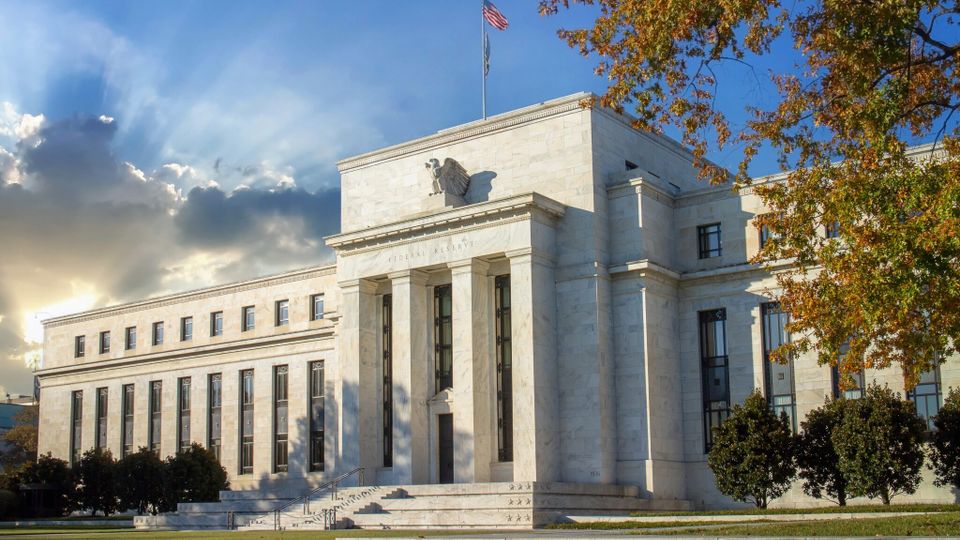
The U.S. Federal Reserve decided today (Wednesday) to leave the interest rate unchanged in a range of 3.75% to 4%, in line with preliminary market forecasts.
The decision was made at the conclusion of the Federal Open Market Committee meeting, at which policymakers opted to take a patient approach and wait for additional economic data before further tightening monetary policy, despite growing signs that inflationary pressures are proving more persistent than expected.
The Fed's official statement emphasized that price levels remain high and that incoming data will help determine the steps needed to return inflation to the 2% target.
Dispute Among Fed Leaders Amid Political Pressure
Although the decision was approved by a majority vote, two of the committee's 12 members opposed the move.
Governor Lisa Cook and Cleveland Fed President Beth Hammack supported another quarter-percentage-point interest rate increase to curb accelerating price increases.
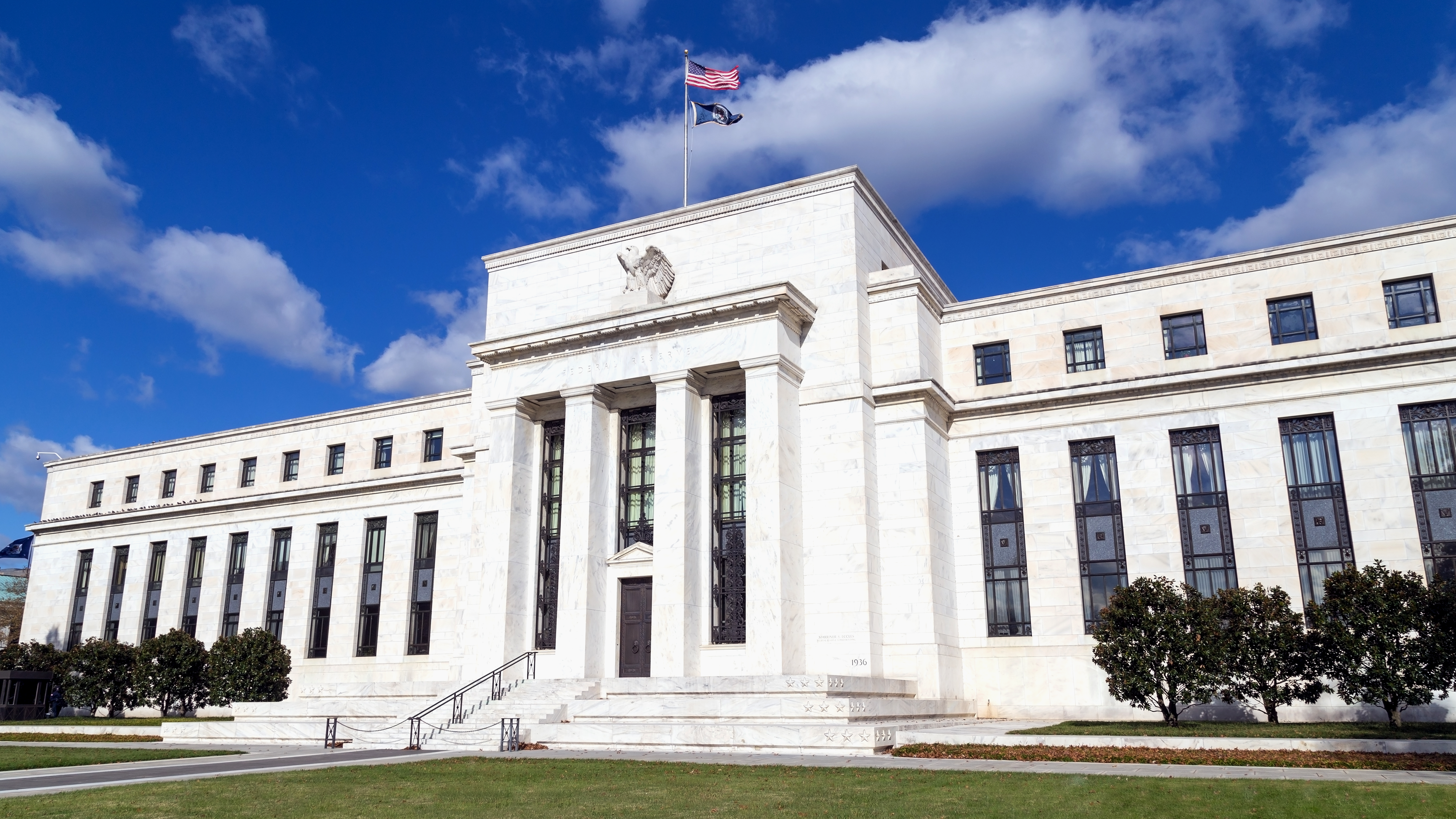
For Cook, this was her first dissent from a majority decision since her appointment, and it comes during a turbulent period for her, given President Donald Trump's attempts to remove her from office. At the same time, the decision was made just days before the midterm congressional elections, particularly sensitive timing for the central bank, which seeks to demonstrate complete independence from the political arena.
Economic Growth Alongside Persistent Inflation
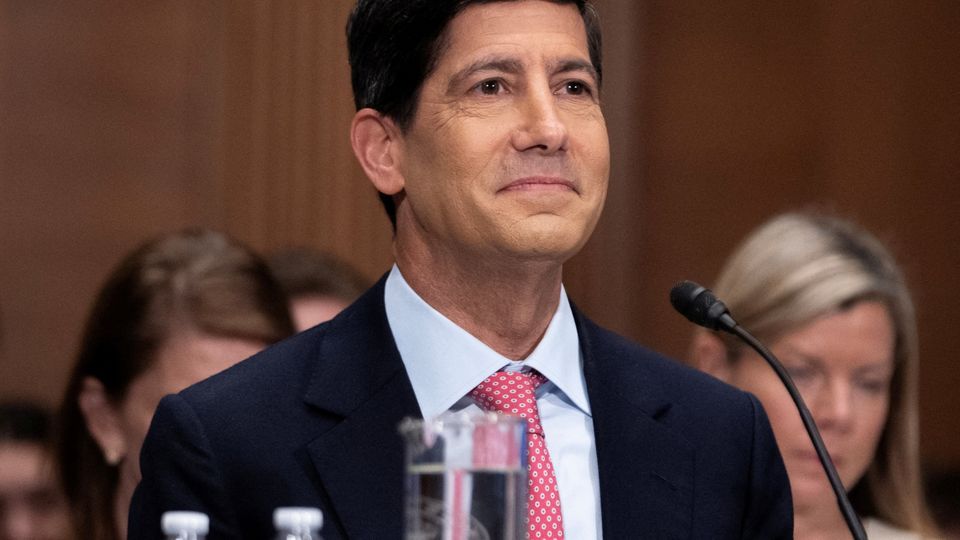
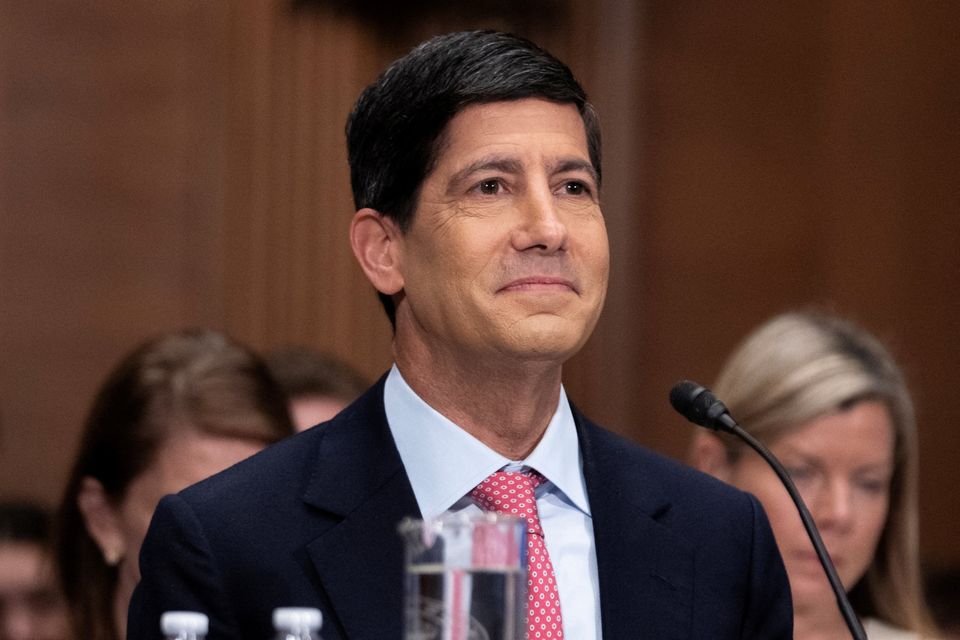
The dilemma facing senior Fed officials, led by Chair Kevin Warsh, stems from the strength of the U.S. economy alongside inflation that has remained above the target for more than five years.
The Fed's core index is expected to show an annual rate of more than 3% for September, with the primary concern being that price increases will spread beyond energy prices and the effects of the war with Iran.
At the same time, the labor market remains stable, and third-quarter growth is estimated at around 3.4% on an annualized basis, partly due to massive investments in artificial intelligence and robust private consumption.
Markets Price In Further Interest Rate Increases
Although the market priced in a probability of less than 10% for an increase at the current meeting, futures data signals that the pause may be only temporary.
Investors now see a high probability of another interest rate increase as early as the Fed's next meeting in December, along with the possibility of additional tightening measures during 2027.
The central question now facing the markets is whether the current interest rate level is sufficiently restrictive to curb economic activity, or whether the central bank will be forced to act more aggressively if price indices continue to climb.