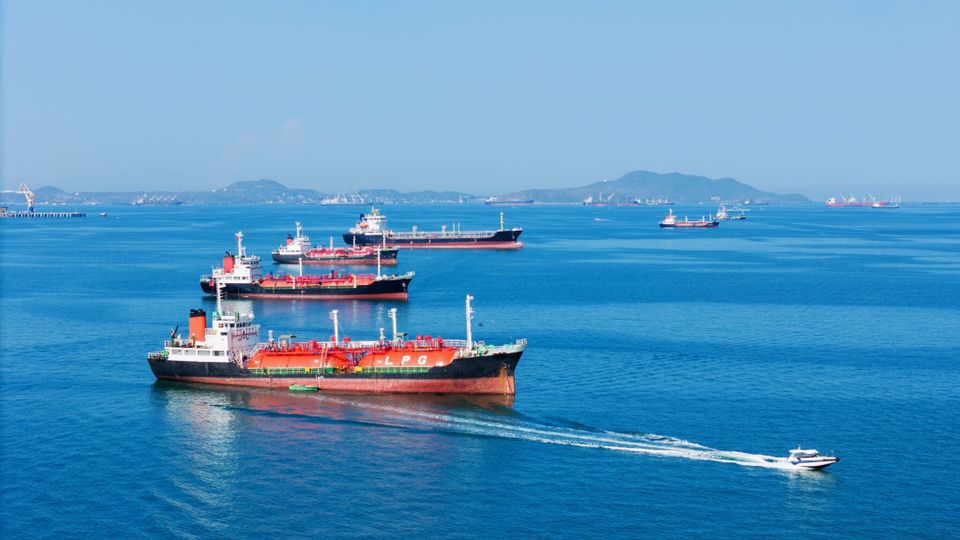
Maritime security consultancy Marisks reported that two large oil tankers were hit last night, within a short time of each other, while passing through the Strait of Hormuz, according to Bloomberg.
According to Marisks, the Saudi tanker Sidr and the tanker Senegal Prosperity were hit by unidentified projectiles while on their way out of the Persian Gulf through the Strait of Hormuz. The Senegal Prosperity was hit by three projectiles. The incident increases the risk of disruptions to tanker traffic and the global oil supply.
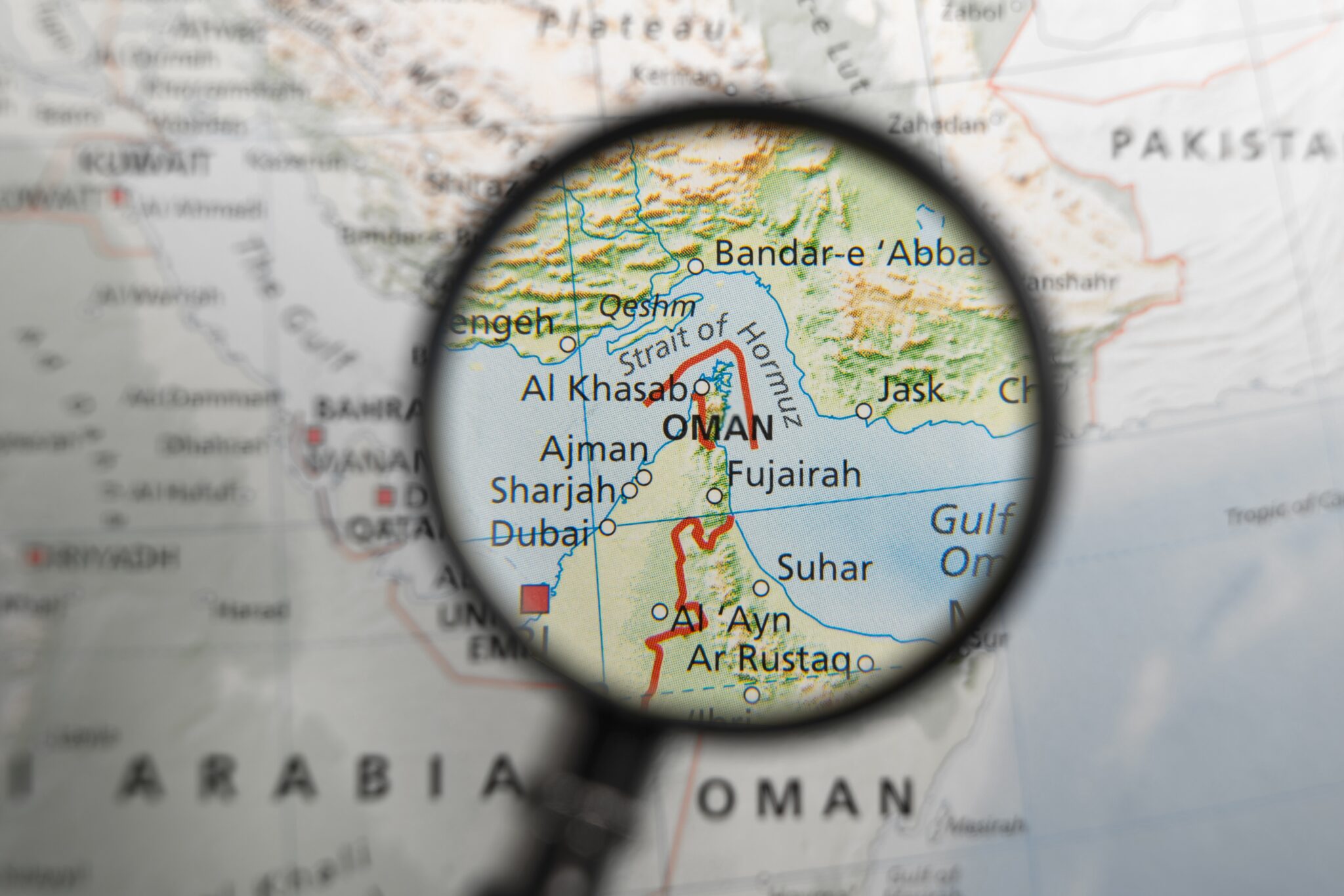
In addition, the British organization UK Maritime Trade Operations earlier reported that a tanker was hit by three unidentified projectiles as it exited through the Strait of Hormuz, without disclosing the vessel's identity.
The number of tankers passing through the strait has fallen, but the amount of oil passing through it has partially recovered. In other words, fewer ships are passing through the strait, but the volume of oil transported through it remains significant.
Tanker traffic through the Strait of Hormuz fell below the average for the past 10 days: Only seven vessels passed through the strait on Thursday, compared with 17 on Wednesday and an average of 15 vessels a day during the preceding 10 days.
Despite the decline in tanker traffic through the Strait of Hormuz, oil flows through it are recovering. According to estimates by traders cited by Bloomberg, approximately 6-8 million barrels of oil a day are still passing through the strait, while Goldman Sachs estimates that this amounts to about two-thirds of prewar flow levels.
At the same time, energy companies in the region are adapting to the disruptions and trying to reduce their dependence on the strait. According to analysts at ING, some Persian Gulf oil producers are increasing their use of alternative export routes, while some oil is still being transported through Hormuz.

Despite the partial recovery in flows, upward pressure on oil prices remains, in part because the prospect of renewed peace talks between the U.S. and Iran is diminishing. However, as long as oil continues to flow in significant volumes, the disruptions to tanker traffic do not at this stage reflect a complete halt to oil supplies through the strait.