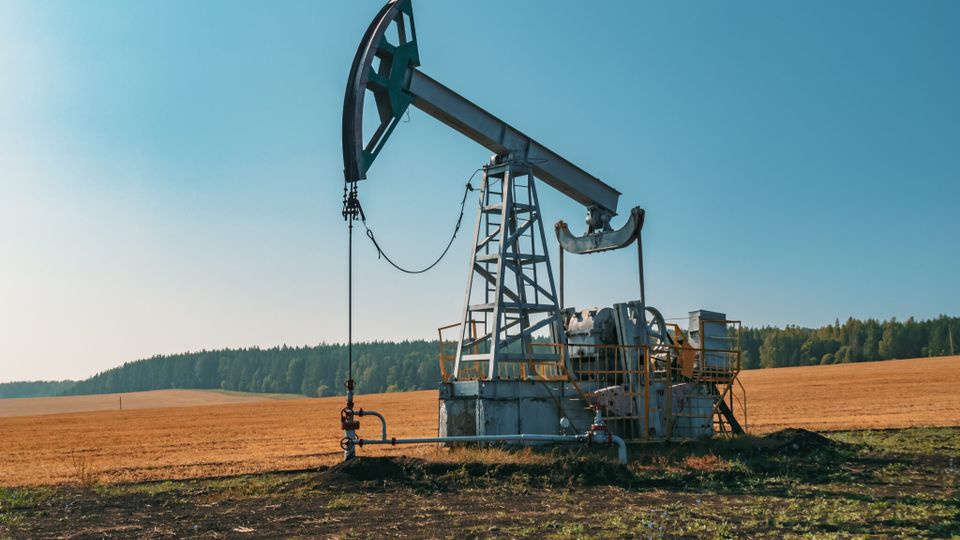
Oil Loses Ground: Fears of Middle East Escalation Ease
Brent falls 1.58% to $91.29 a barrel • OPEC+ output rises and U.S. inventories grew by 9 million barrels in a week • Russia-Ukraine talks and assessments regarding Iran reduce the risk premium

Topic
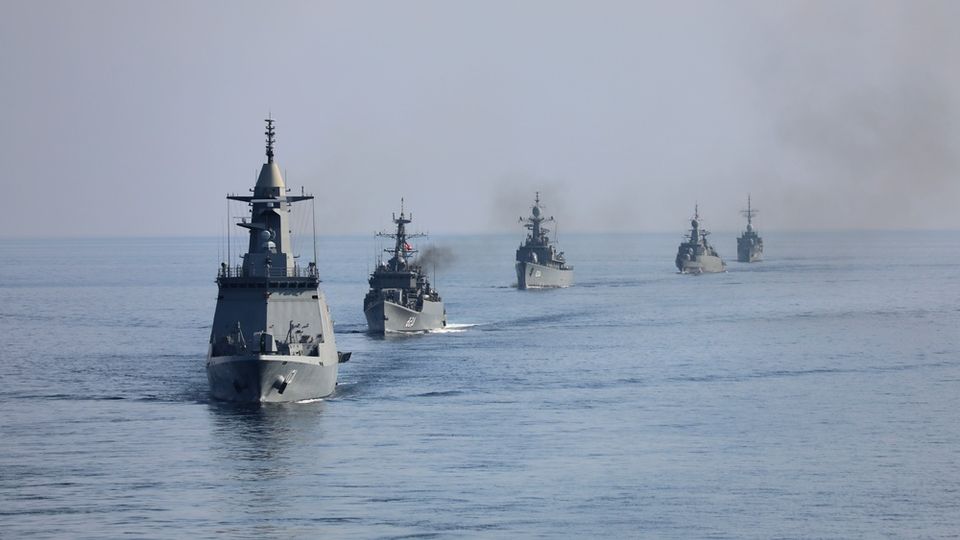
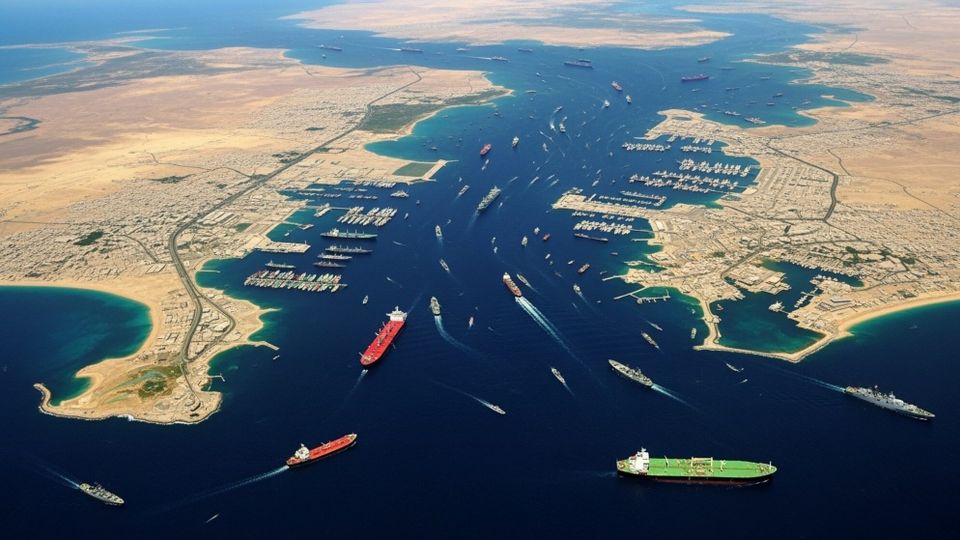
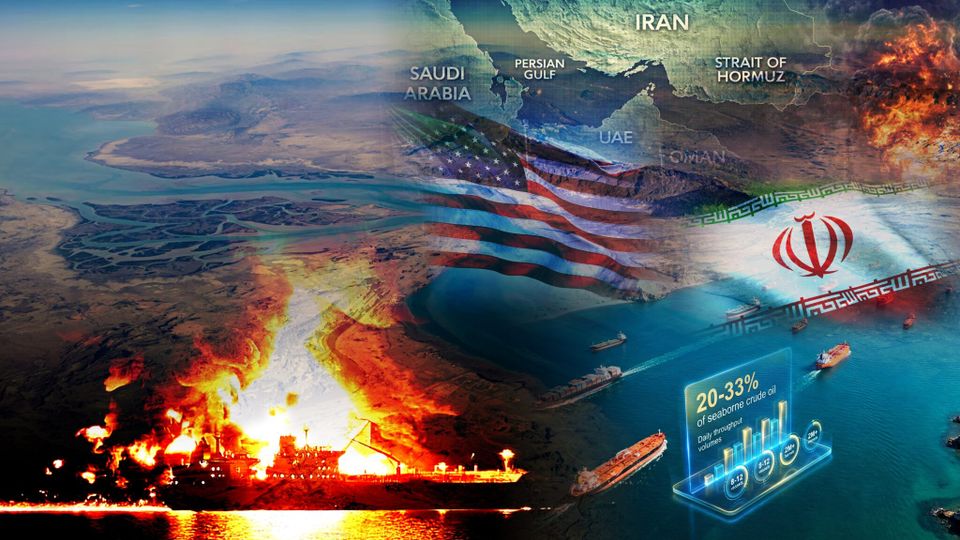
The Strait of Hormuz is a narrow shipping route linking the Persian Gulf to the Arabian Sea and a critical transit point for global oil flows. TV10 Global’s coverage tracks security developments, tanker incidents, and broader regional tensions that can move energy prices and affect markets in Israel and worldwide.
19 stories on TV10 Global

Brent falls 1.58% to $91.29 a barrel • OPEC+ output rises and U.S. inventories grew by 9 million barrels in a week • Russia-Ukraine talks and assessments regarding Iran reduce the risk premium

Brent crude stands at about $113 a barrel, while WTI is trading at about $104 • Market fears are growing over possible US military action immediately after the country's midterm elections

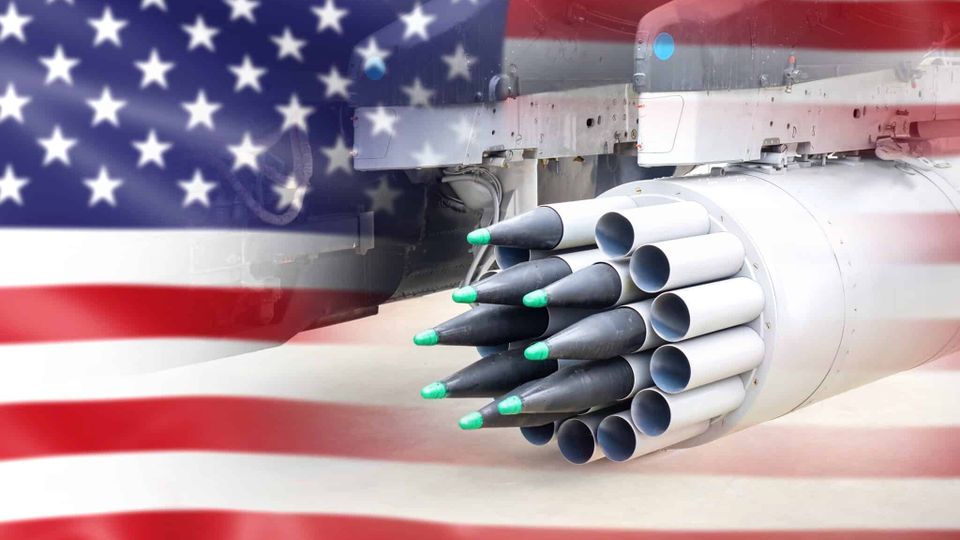
According to a CBS News report, the U.S. prepared plans to use the MOAB, the largest nonnuclear weapon in its arsenal, against military targets in Iran, but it is not known whether a decision was made to carry them out • Trump said last week that the U.S. would not take action in Iran before the midterm elections

Two senior Iranian officials say Tehran is changing its methods to keep oil prices high ahead of the U.S. midterm elections • Reports are mounting of attacks on vessels and expanded activity beyond the strait

Trump’s announcement of a halt to attacks on energy facilities and increased Russian diesel supplies is easing fears of fuel shortages • Meanwhile, tensions in the Middle East and attacks on tankers in the Strait of Hormuz continue to support prices

During the transit through Hormuz, regular crew members may receive 4 to 6 times their usual pay • Most ships pass through the area at night and turn off their GPS systems

The organization of oil-producing countries decided not to increase output in November amid security tensions in the Middle East • At the same time, the G7 countries will release 100 million barrels from strategic reserves in an attempt to curb rising prices • Brent crude closed at around $102 a barrel

According to a warning from the British agency UKMTO, the ship caught fire and began drifting, and all crew members were evacuated. Vessel traffic in the strait has plunged to a low amid regional tensions.

After a drone attack shut down the vital infrastructure, Saudi Aramco restored the strategic artery to partial operation. The kingdom can now resume exporting oil through the Red Sea.

The group is working to seize strategic mountain ridges linking the Red Sea coast to the country’s south • Trump halted a planned US strike at the last minute • Saudi Arabia is increasing its use of the Strait of Hormuz amid security risks

Brent futures rose to $105.89 a barrel as concerns mount over prolonged supply disruptions • Goldman Sachs warns that the pipeline shutdown could push the price to $120 and, in a more severe scenario, to about $130

Houthi attacks and Iranian actions are increasing the risk of disruptions to shipping routes and heightening market tensions • Oman’s foreign minister announced the postponement of a meeting intended to discuss the situation in the Strait of Hormuz

The capture of Mokha strengthens the group’s hold on the western coast and threatens the key Bab el-Mandeb shipping route. The escalation could disrupt oil flows and draw Saudi Arabia back into deeper involvement in the civil war.

U.S. Central Command said its forces destroyed five tankers carrying Iranian oil • The Houthis attacked targets in southern Saudi Arabia, including energy facilities, while the price of oil rose but remained below $100 a barrel

Qatar is signaling the possibility of resuming LNG exports through the Strait of Hormuz after several empty tankers began making their way back to the Persian Gulf. However, disruptions along the route and security risks are still hindering a return to normal exports.

Oil prices have surged in recent days, rising above $90 amid the latest escalation and fears of disruptions in the Strait of Hormuz. Tensions have also intensified in the Persian Gulf, but oil edged lower this morning after Trump said, “The fighting will not last long.”

The U.S. military struck targets in Iran near the Strait of Hormuz following attempted attacks against ships and American service members. The escalation sent oil prices surging and heightened concerns about inflation and its impact on the interest rate and markets.

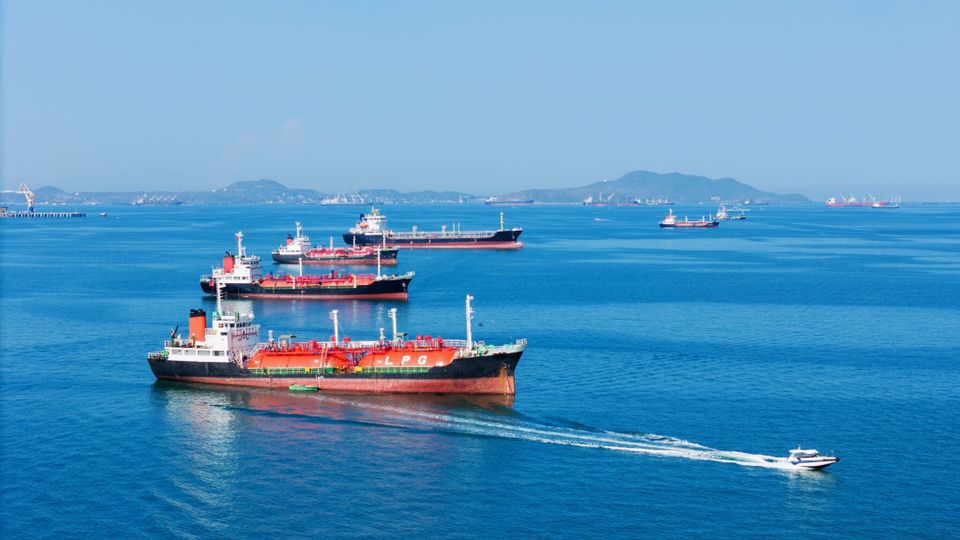
Two large oil tankers were hit by unidentified projectiles last night while passing through the Strait of Hormuz, increasing the risk of oil supply disruptions • Tanker traffic through the strait has fallen significantly, and maritime trade in the region remains limited

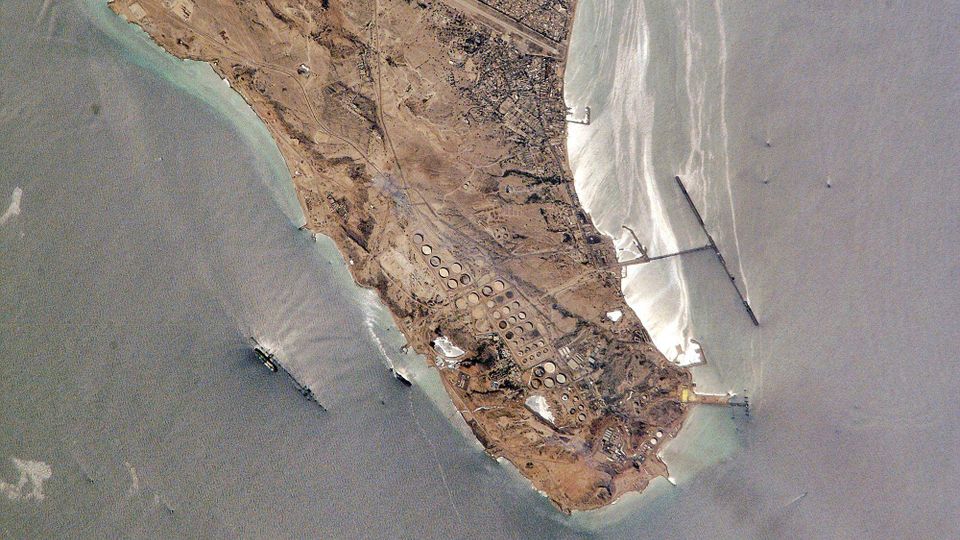
The military escalation between the US and Iran has reached a new peak following reciprocal strikes in Jordan and the Strait of Hormuz. Oil prices are climbing sharply amid President Trump's threats to strike Iran's main oil export terminal on Kharg Island, while Tehran warns of a harsh response.