Damage to Saudi Arabia's energy infrastructure and the shutdown of the East-West oil pipeline are raising concerns that supply disruptions will last longer. These concerns are compounded by attacks by the Houthis and the decline in tanker traffic through the Strait of Hormuz.
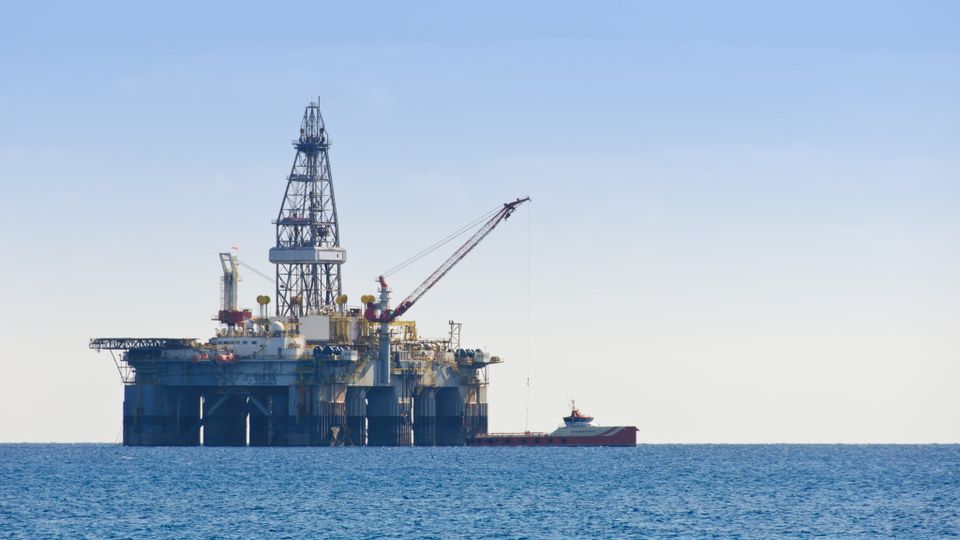
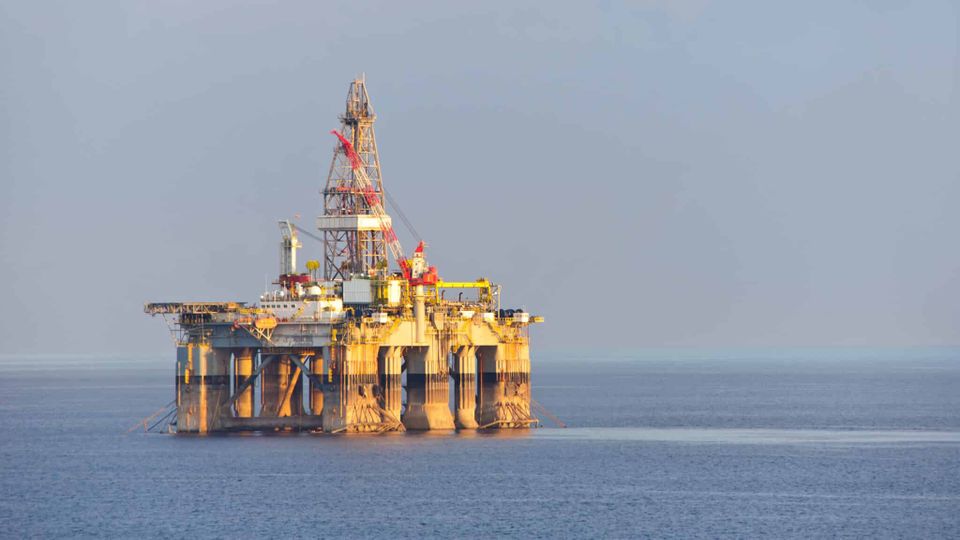
Oil prices strengthened today (Tuesday) after attacks on Saudi Arabia's energy infrastructure shut down the East-West Pipeline and heightened concerns about prolonged disruptions to oil supplies and shipping routes.
Brent futures rose 0.2% to $105.89 a barrel after climbing to $108.43 during the day. At the same time, the price of a barrel of WTI strengthened 0.89% to $102.29 after reaching $104.21 earlier.
Uncertainty surrounding oil supplies increased after the Iran-backed Houthi forces in Yemen carried out additional attacks against Saudi Arabia, while planned talks between the Gulf states and Tehran were postponed.
The Houthis said yesterday that they had launched dozens of missiles and UAVs at a military base in Khamis Mushait in southern Saudi Arabia in response to Riyadh's airstrikes in Yemen. They said the targets included hangars, radar systems, runways and ammunition depots.
Oil crosses $100 mark: Saudi Arabia shuts down major oil pipeline
The current events follow attacks on Friday, which Saudi Arabia attributed to Iran-backed fighters in Iraq, that disrupted operations on the East-West Pipeline. The pipeline allows Saudi Arabia to export oil while bypassing the Strait of Hormuz, through which about 20% of the world's oil supply previously passed.
Buyers and traders estimate that if the East-West Pipeline does not resume operations, Saudi Arabia could exhaust its available crude oil inventories for export within days.

The pipeline is highly important because the damage to the infrastructure threatens supplies equivalent to up to 4% of the global market.
Goldman Sachs estimates that the damage could be more severe than initially believed and could jeopardize the remaining oil exports from the port of Yanbu, amounting to about 2 million barrels a day. The bank says estimates for the duration of repairs range from a return to operations within a short period to eight weeks.
The bank also estimates that the damage to oil infrastructure marks a significant escalation in the conflict and raises the risk that the price of Brent will cross the $120-a-barrel threshold. According to Goldman Sachs, such a scenario could materialize if oil production in the Gulf states remains about 4 million barrels a day below the prewar level in 2027.
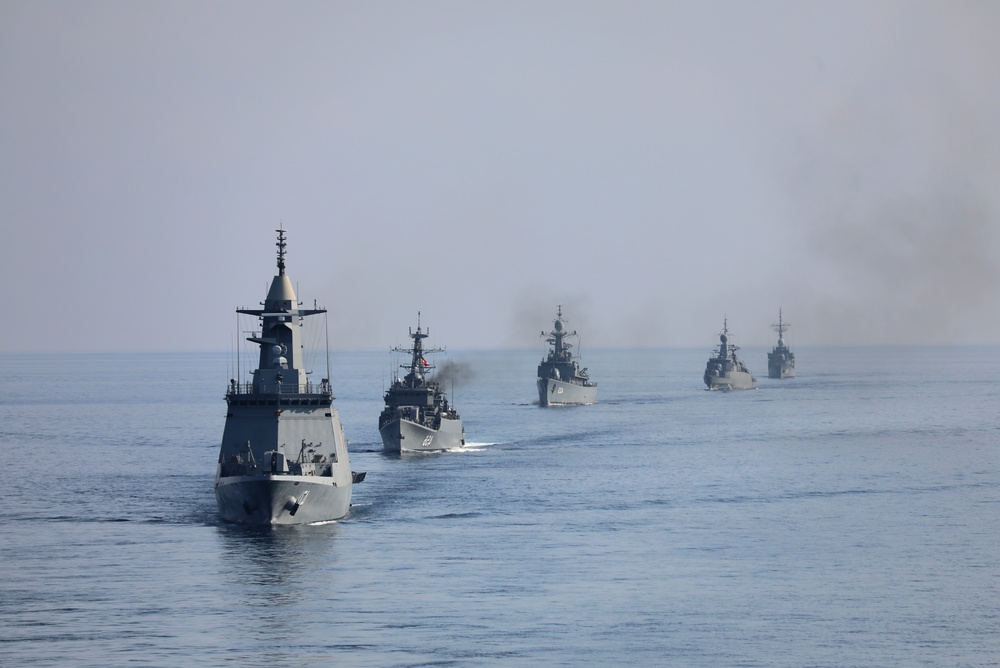
At the same time, commercial vessel traffic through the Strait of Hormuz fell to just four ships yesterday, compared with 10 the previous day, according to preliminary data from Kpler.
Moreover, the Oman Maritime Security Center said today that the Panama-flagged oil tanker El Gaia is being towed to a port in the country after a fire broke out in the engine room following an attack.
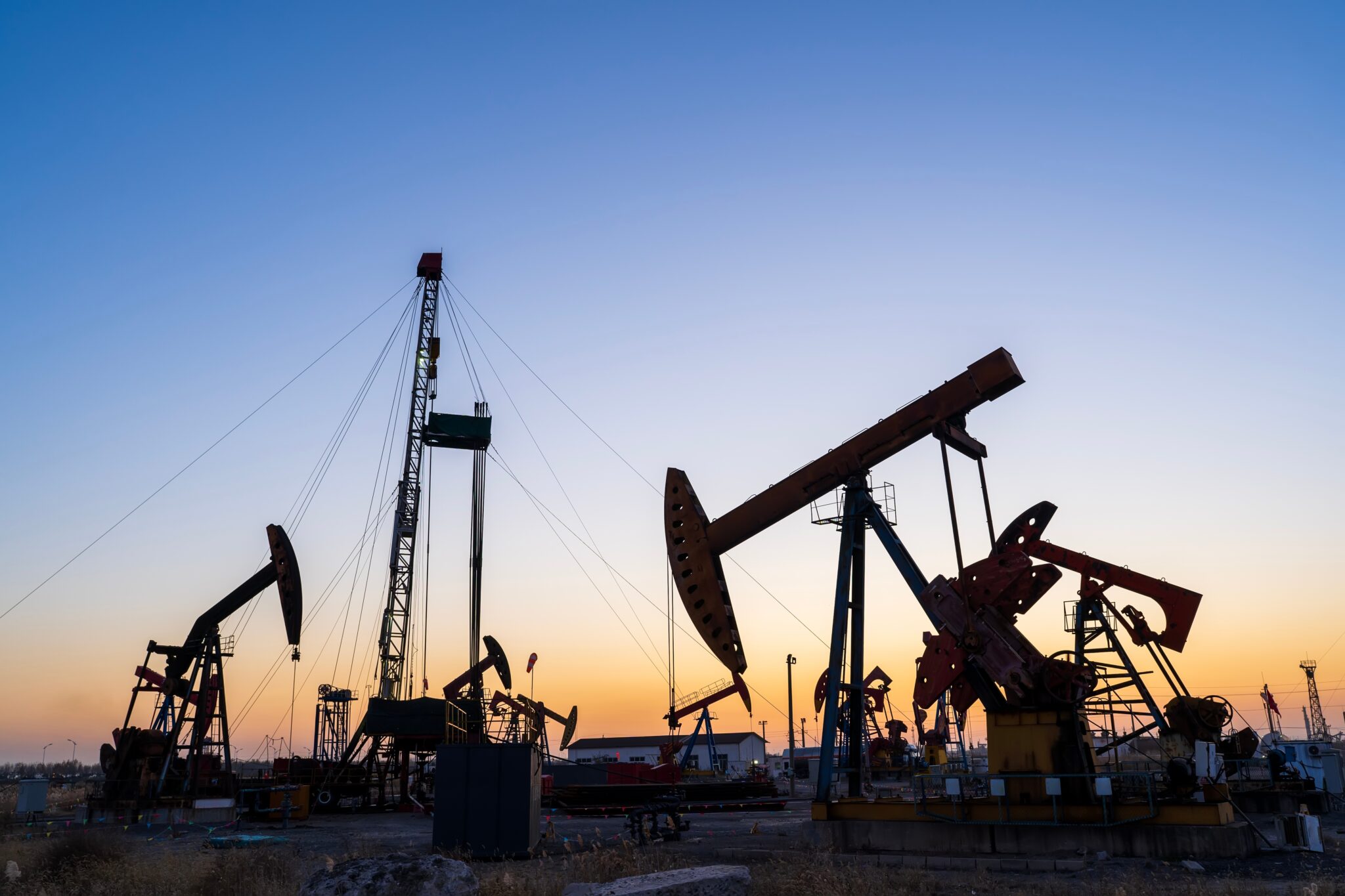
Meanwhile, Reuters estimates that three of Russia's six largest refineries producing diesel significantly reduced operations or halted them entirely during September following damage caused by drone strikes.