

After the Turmoil in the Gulf

Saudi Arabia Resumes Operation of Oil Pipeline Hit in Iraq Attack

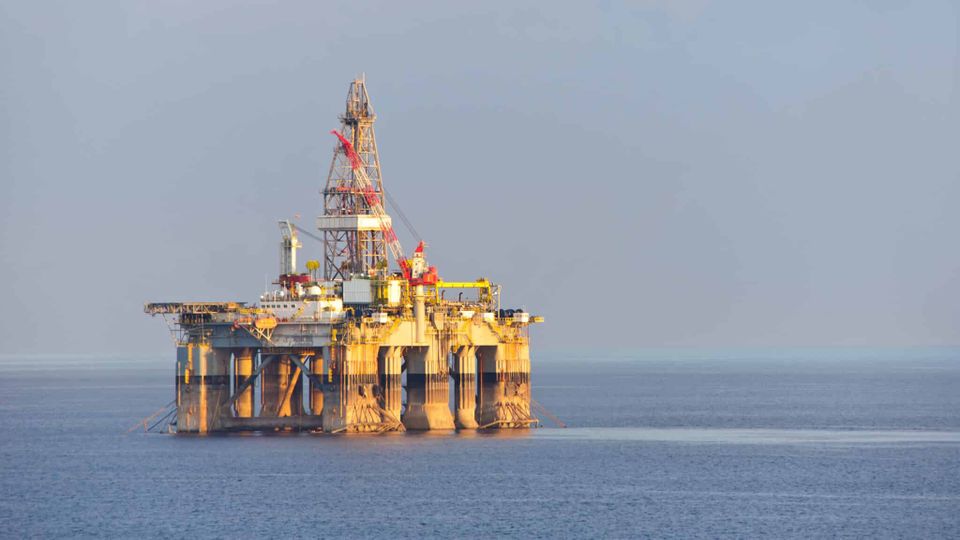
Oil drilling
Oil drilling | Photo: Shutterstock

Saudi Arabia has restored operations at the strategic East-West oil pipeline, paving the way for the resumption of crude oil exports from the Red Sea port of Yanbu, Reuters reported, citing sources familiar with the matter.
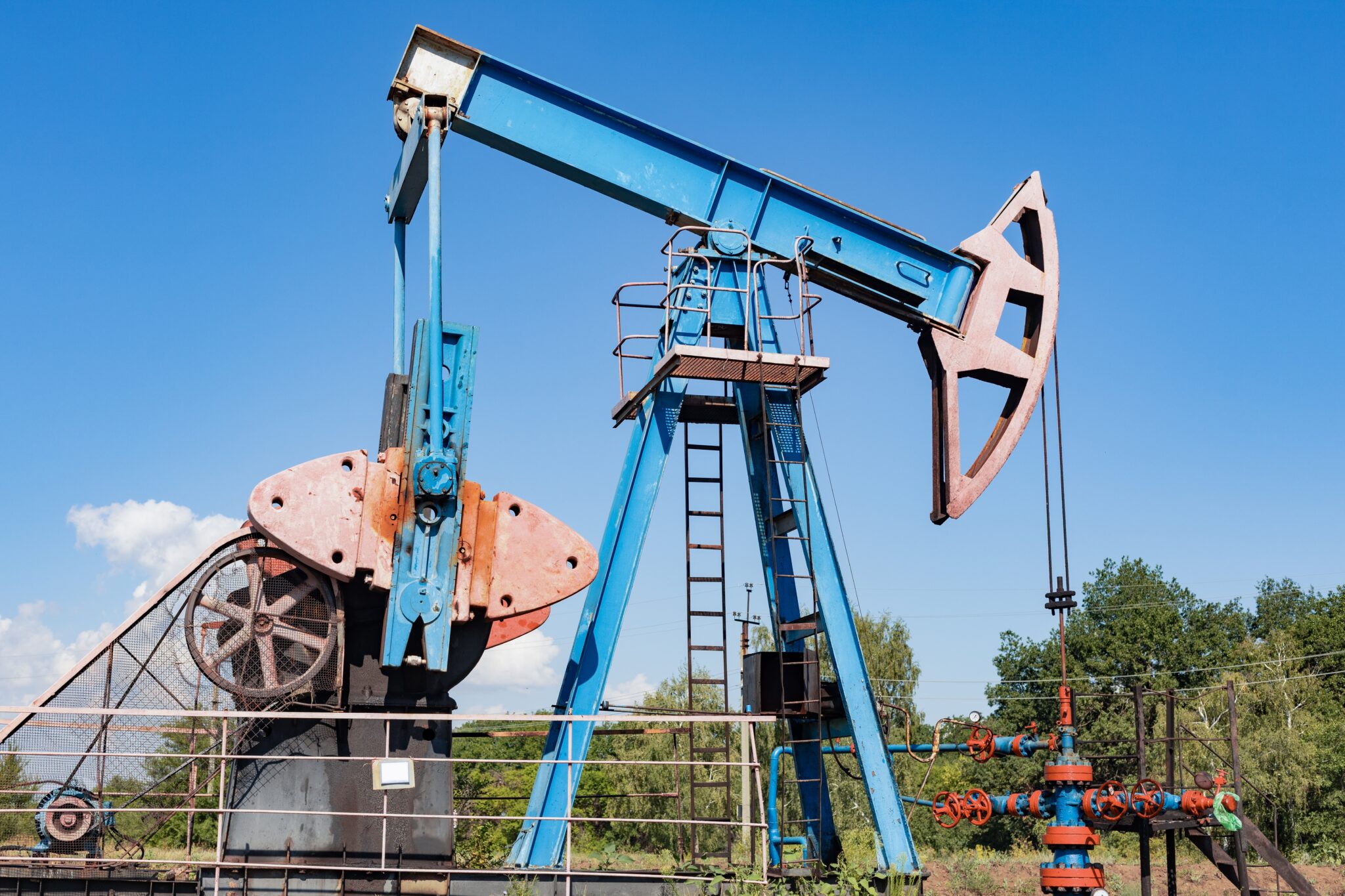
Oil drilling
Oil drilling | Photo: Shutterstock

Oil flow through the pipeline has resumed at a low rate for now, but tanker loading at the port of Yanbu is expected to resume as early as today, according to the report.

Background to the turmoil in energy markets

The pipeline was shut down on September 13 following a drone attack that struck an oil facility in Riyadh Province and served the main transmission artery.
Oil barrels
Oil barrels | Photo: Shutterstock

The incident led to the immediate closure of the pipeline and the suspension of oil tanker loading at the port of Yanbu, adding further pressure to global energy markets and heightening concerns about continued supply chain disruptions.

The pipeline’s strategic significance

The East-West pipeline is considered one of Saudi Arabia’s most critical infrastructure assets. It allows state-owned energy giant Saudi Aramco to transport crude oil from the country’s oil-rich eastern fields directly to the western port of Yanbu.
State-owned oil producer Saudi Aramco
State-owned oil producer Saudi Aramco | Photo: Shutterstock

This bypass allows the kingdom to export oil through the Red Sea and enables strategists to bypass the sensitive Strait of Hormuz, through which a significant share of global oil traffic passes. At this stage, Saudi Aramco has not yet issued an official response to reports that flows have resumed.

Impact on oil prices

The damage to the strategic pipeline led to an increase in oil prices as developments created pressure on both sides of the Arabian Peninsula, and crude oil prices rose above $100 a barrel for the first time since July.

Oil crosses the $100 mark: Saudi Arabia shuts down major oil pipeline

The increase came amid concerns about continued damage to energy supplies and disruption to tanker traffic in the region. WTI oil is now trading at around $89, while Brent is trading below the $100 mark.

Key takeaways

  • Saudi Arabia has restored operations at the East-West oil pipeline after it was shut down on September 13.
  • Reuters said crude oil exports from the Red Sea port of Yanbu could resume as early as today, with flow currently at a low rate.
  • The pipeline is a key route for Saudi Aramco because it lets the company move crude from eastern fields to Yanbu and bypass the Strait of Hormuz.
  • The shutdown and attack added pressure to global energy markets and helped push crude oil prices above $100 a barrel for the first time since July.
  • WTI is now trading at around $89, while Brent is trading below the $100 mark.
Questions and answers

What happened to Saudi Arabia’s East-West oil pipeline?
Saudi Arabia has resumed operations at the East-West oil pipeline after it was shut down on September 13 following a drone attack on an oil facility in Riyadh Province. The article says oil flow has resumed at a low rate for now.
When could tanker loading at Yanbu restart?
According to Reuters’ sources, tanker loading at the Red Sea port of Yanbu is expected to resume as early as today. The article says the restart is linked to the pipeline’s return to operation.
Why is the East-West pipeline important?
The pipeline is one of Saudi Arabia’s most critical infrastructure assets because it allows Saudi Aramco to transport crude from eastern fields directly to Yanbu on the west coast. It also helps the kingdom export oil through the Red Sea and bypass the Strait of Hormuz.

Share this story

About the writer

Shay Nogai

Writes for TV10, Israel’s economic channel. This story was translated from the original Hebrew.

More stories by Shay Nogai

More for you






