The struggle for control of Yemen has entered a new phase: the Houthis are seeking to establish a foothold in mountain ridges that would allow them to isolate the Red Sea coastal areas from territories held by pro-Saudi forces. At the same time, according to a report in The New York Times, Trump ordered a planned US strike against the group to be halted at the last minute.
The Houthi move, which expanded rapidly over the course of the month, adds a new front to the regional conflict and raises questions about the stability of international energy routes.
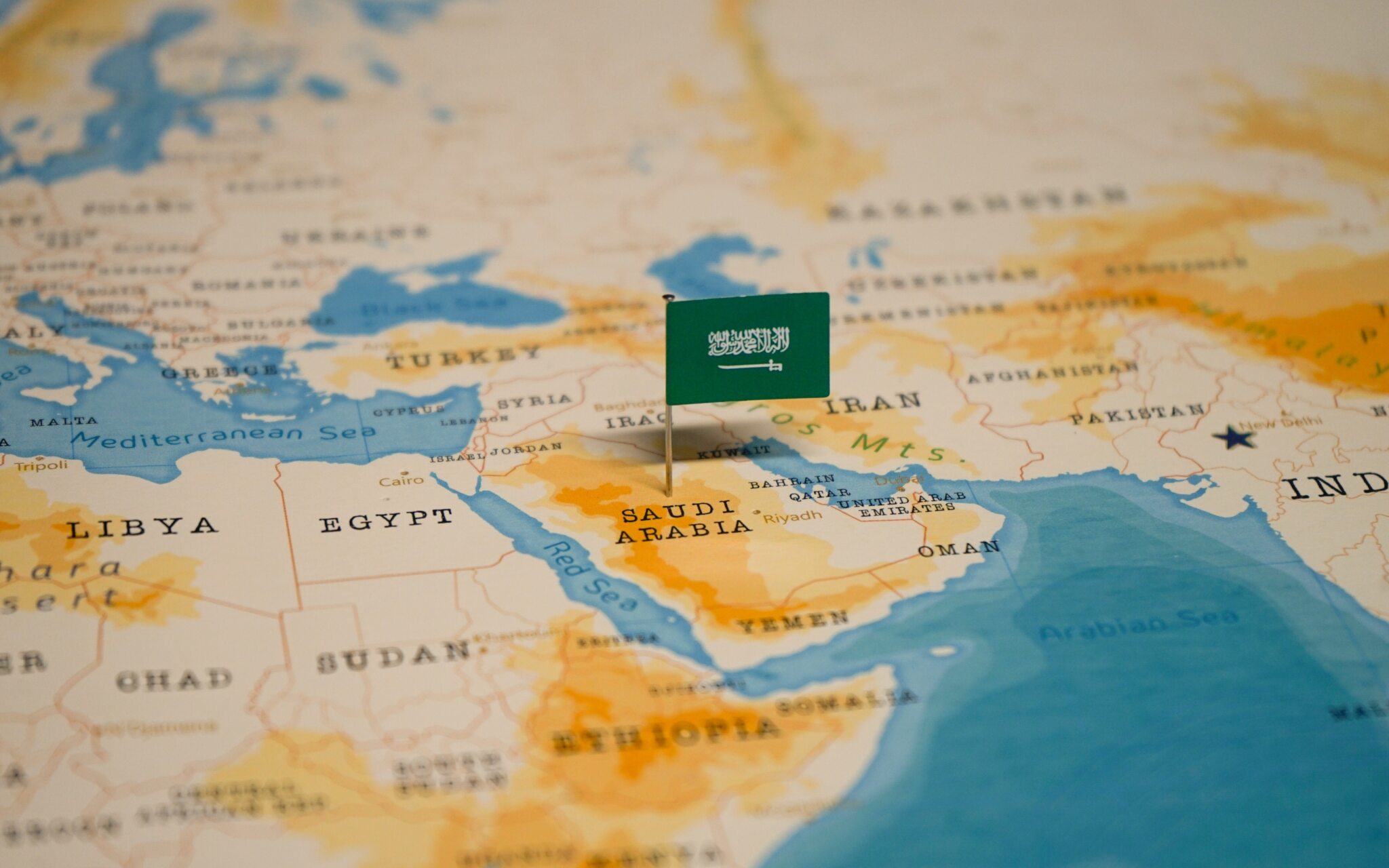
Saudi Crown Prince Mohammed bin Salman has asked the US several times to expand its involvement in Yemen, but Washington has so far refrained from joining the campaign directly. The US administration had already prepared strikes against the Houthis following new requests from Riyadh, but the operation was canceled before it was carried out, according to a report published yesterday in The New York Times.
Alongside the Saudi efforts, Rashad al-Alimi, Yemen’s president and head of the Saudi-backed leadership, also appealed directly to the White House. Reuters reported that al-Alimi spoke with Trump and asked him for military assistance, but two of the agency’s sources said the US president did not make an explicit commitment of support.

The conflict has also spilled into Saudi Arabia: Explosions and smoke were reported near Riyadh airport on Saturday. The Houthis claimed responsibility and said they had launched missiles at the Saudi capital, but Riyadh did not confirm the claims or issue a response.
After years of holding Yemen’s capital, the Houthis this month expanded their control to coastal areas on the Red Sea and succeeded in driving out forces affiliated with the Saudi-backed government.
According to the group, the Saudi air force is intensifying pressure and carrying out hundreds of strikes against Houthi positions in the mountainous areas. Saudi Arabia has not confirmed the reported scale of the strikes.
The escalation is exacting a heavy toll on the civilian population. UN figures indicate nearly 700 people have been killed and thousands wounded, while about 130,000 residents have been forced to leave their homes within the country. More than 3,000 people have also crossed the Red Sea by boat and fled to Africa.
The fighting is centered on the Kahbub Mountains, located in the governorates of Taiz and Lahj. According to five Yemeni military officials who spoke to Reuters, the Houthis are working to seize the high ground overlooking the area — a move that could cut off the Red Sea coastal strip from the southern territories that remain under government control.
Focal Points of the Fighting in Southern Yemen
The fighting is taking place in two main areas: near the mountainous Al-Wazi'iyah district in Taiz Governorate and in the Ras al-Ara area along the southern coast. Both areas are located on the route between the Bab al-Mandab Strait and Aden, where a major base of government forces is located.
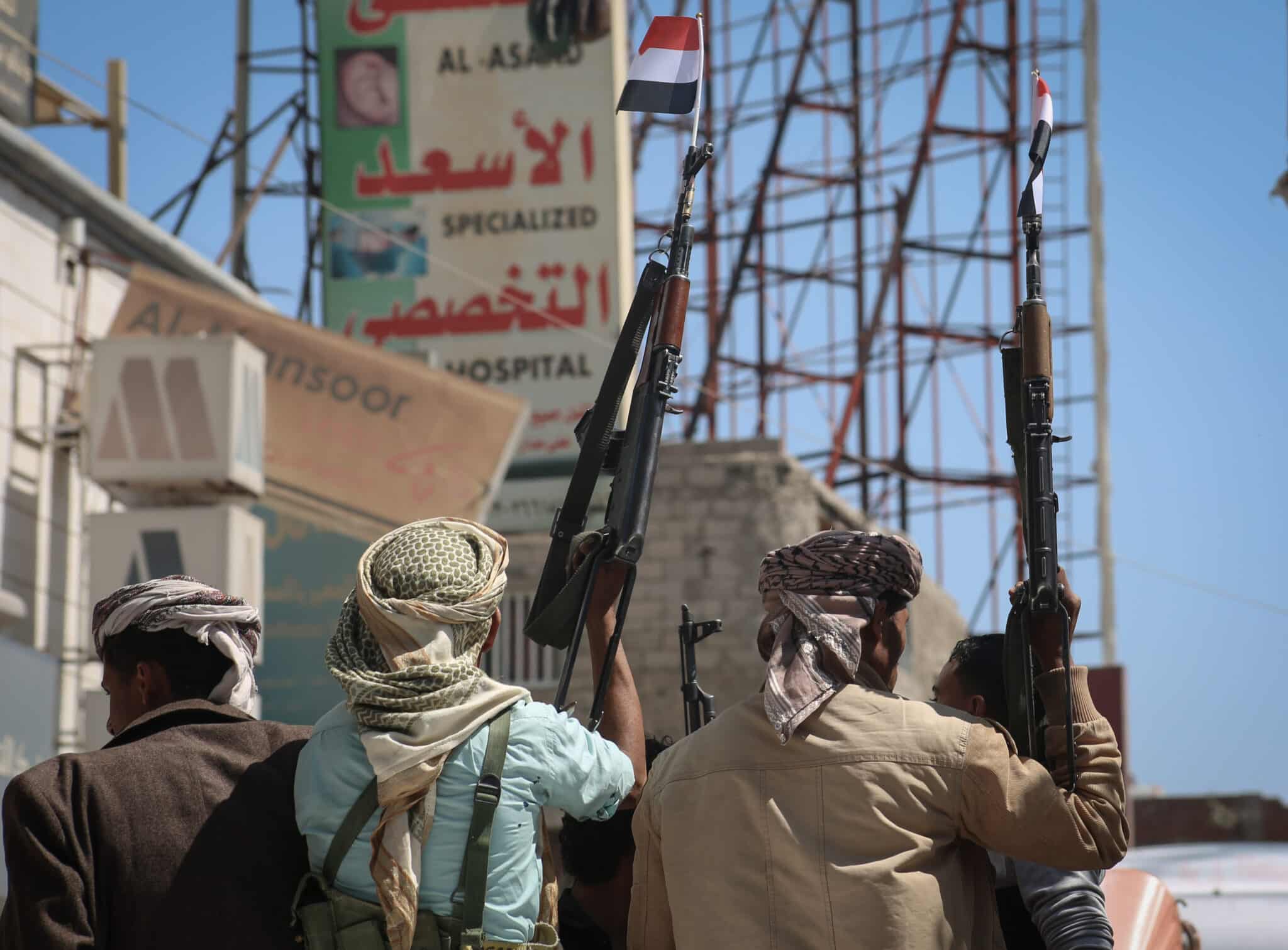
The loss of control in the Bab al-Mandab area has pushed forces affiliated with the government into a defensive position, according to Mohammed al-Qadi. At the same time, the Houthis continue to advance even under heavy Saudi bombardment.
The next phase of the campaign may be decided in the mountains: The Houthis will try to turn their gains into stable control, while government forces will work to hold their positions and create the conditions for a counteroffensive.
Developments in Yemen are bringing Washington back to a complex diplomatic and military crossroads. Saudi Arabia is asking the United States to back it, but any direct US action could expand the regional campaign that the Trump administration is already waging against Iran.
At the beginning of 2025, the United States used military force against the Houthis for about two months, but Trump halted the operation after a ceasefire. Washington has remained outside the fighting in Yemen ever since.

The campaign in Yemen is affecting not only the balance of power in the region, but also Saudi oil export infrastructure. Red Sea routes were intended to allow Riyadh to bypass the Strait of Hormuz, but the Houthi advance could also undermine that option.
Meanwhile, Saudi Arabia is routing more oil shipments through the Strait of Hormuz. Because of the security risk, a limited number of tankers are conducting ship-to-ship transfers and charging unusually high fees — sometimes as much as roughly a quarter of the cargo’s value.
Saudi Arabia is increasing its use of the Strait of Hormuz to transport oil. According to traders, Riyadh sold about 60 million barrels that are due to be shipped during September and October, with loading scheduled to take place off Oman.
Satellite data indicate a surge in the amount of Saudi oil passing through the strait — from 700,000 barrels per day in August to about 2.9 million barrels per day recently.
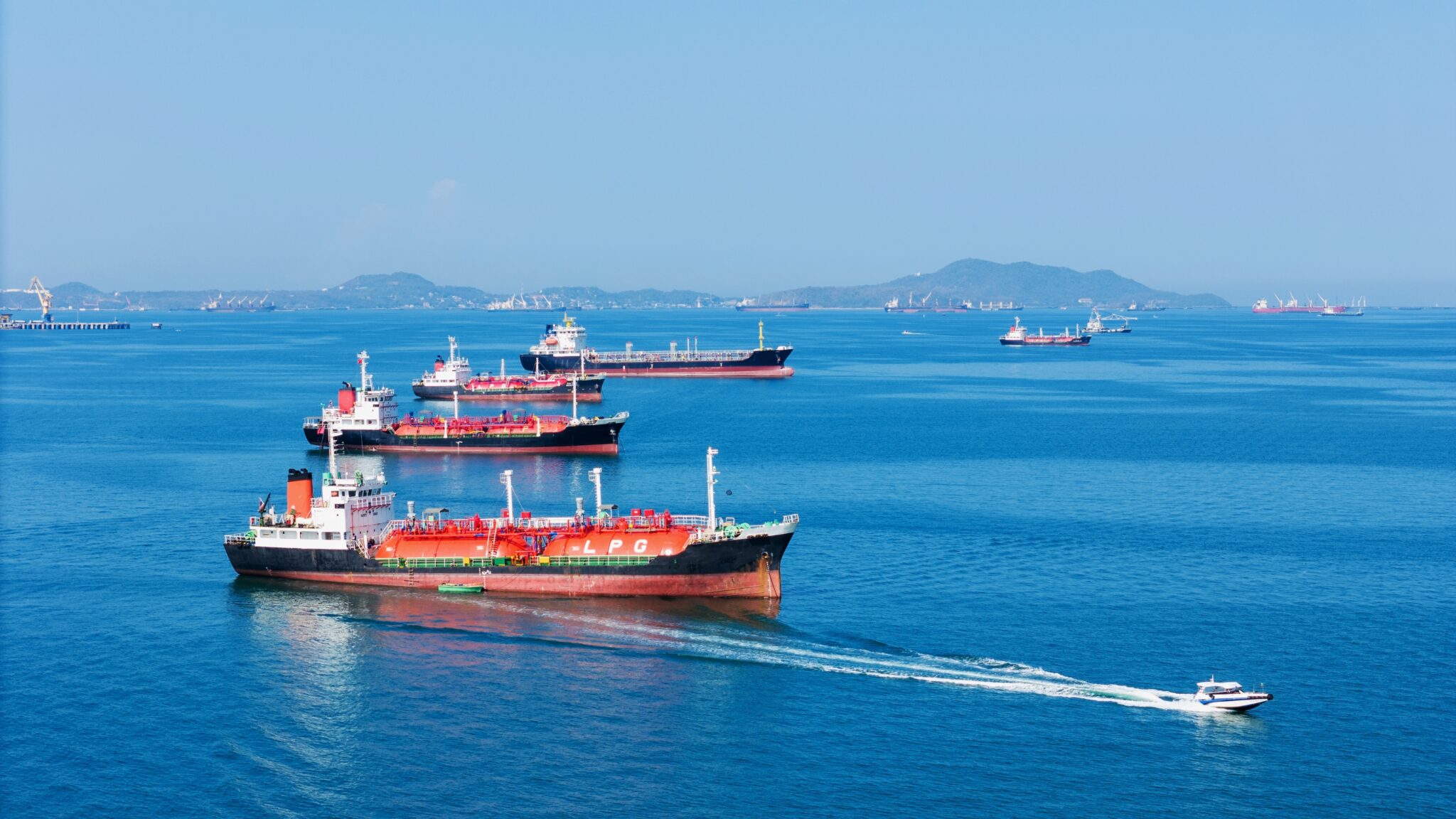
Sending larger quantities of oil through Hormuz helped prevent crude oil prices from continuing to climb, and they remained around $100 a barrel, compared with nearly $110 the previous week.
However, pressure in the fuel market has not yet subsided. Refined product prices remained at record levels, and a new record for retail diesel prices was set in the United States on Monday.

At the same time, there has been no progress on the diplomatic front since the temporary understandings between Washington and Tehran, reached in June, unraveled within a short time. Against the backdrop of rising tensions, Iranian President Masoud Pezeshkian is expected to arrive in New York tomorrow, where he will attend the UN General Assembly.