Two senior Iranian officials told Reuters that Tehran is changing its methods and stepping up attacks against vessels in an effort to keep oil prices high and influence the U.S. midterm elections on November 3.
At the same time, maritime security officials also reported an increase in the number of incidents and a possible expansion of the attacks to additional areas of the Gulf.
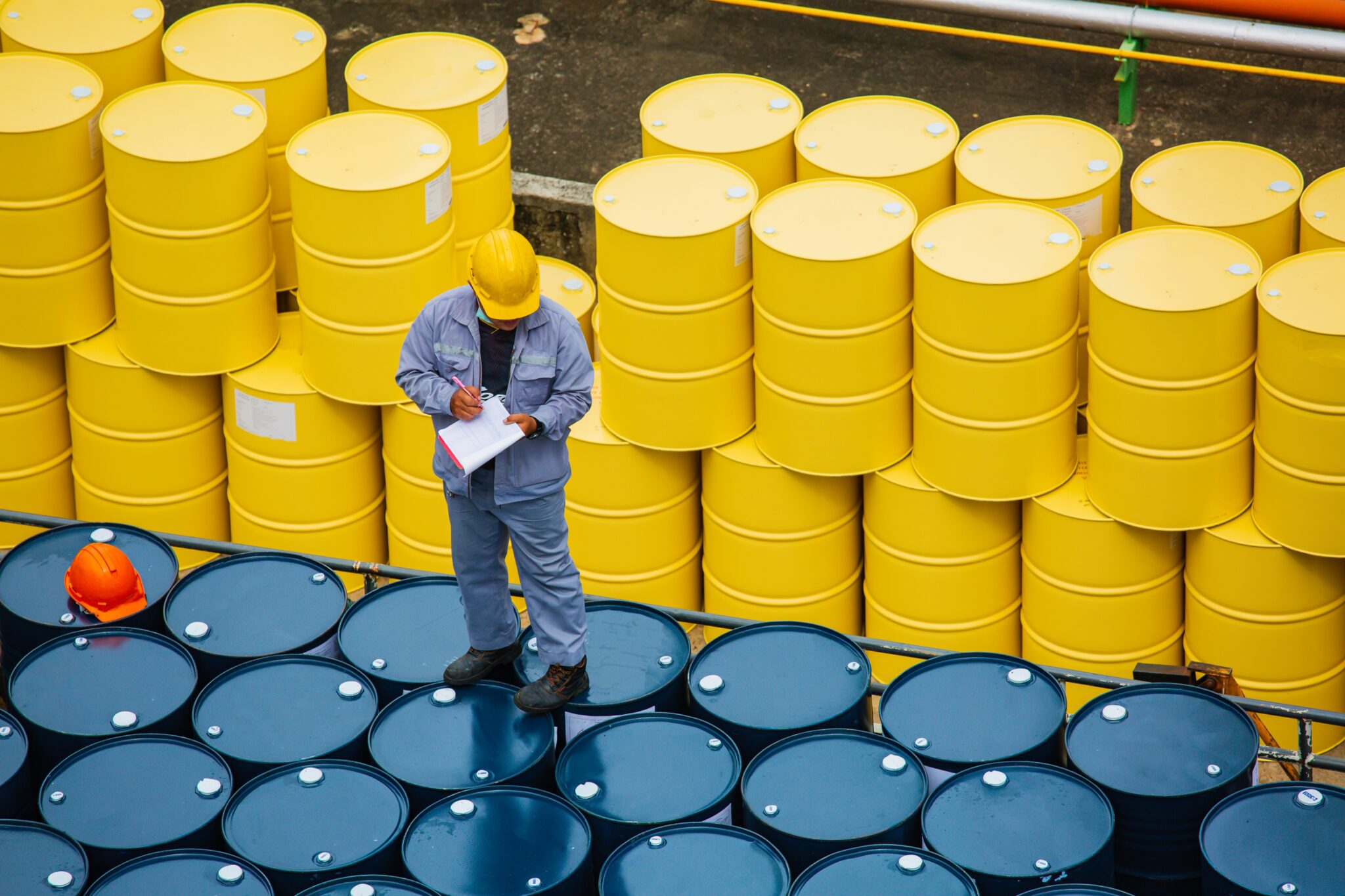
Since the U.S. and Israel launched their joint offensive against Iran, Tehran has been trying to increase and tighten its control over the Strait of Hormuz and use restrictions on traffic through it as leverage against the U.S. Before the war, about a fifth of the global oil and liquefied natural gas supply passed through the strait.
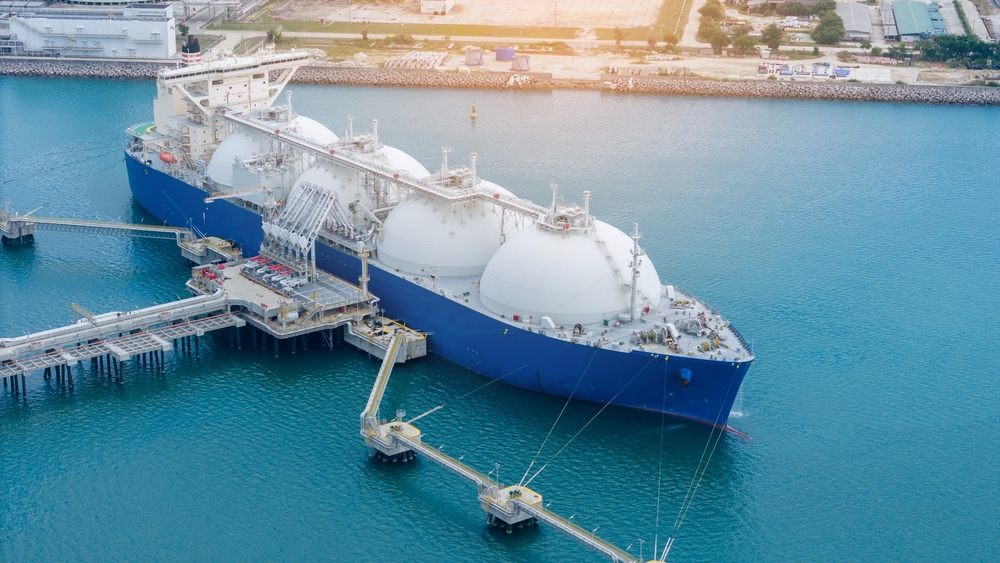
The threats and attacks have already significantly reduced vessel traffic and driven up oil prices, although some supplies continue to pass through the route.
According to the two senior Iranian officials, Tehran began using new methods of attack about 10 days ago against vessels it claims violated the passage restrictions it imposed. The change includes adjustments to the types and frequency of attacks and, they said, is intended in part to make it harder for the U.S. and its allies to lower oil prices ahead of the elections. They said the decision was made at the highest levels of Iran’s leadership and coordinated across the government.
“The goal is to thwart the efforts of the U.S. and its allies to lower global oil prices,” one of the officials told Reuters.
Using surveillance boats
A U.S. military official confirmed to Reuters that Iran had also changed its methods following damage to its radar capabilities. The official said that after the U.S. destroyed a significant portion of Iran’s radar capabilities, the Revolutionary Guards began using small, unarmed boats to identify potential targets, including U.S. Navy vessels.
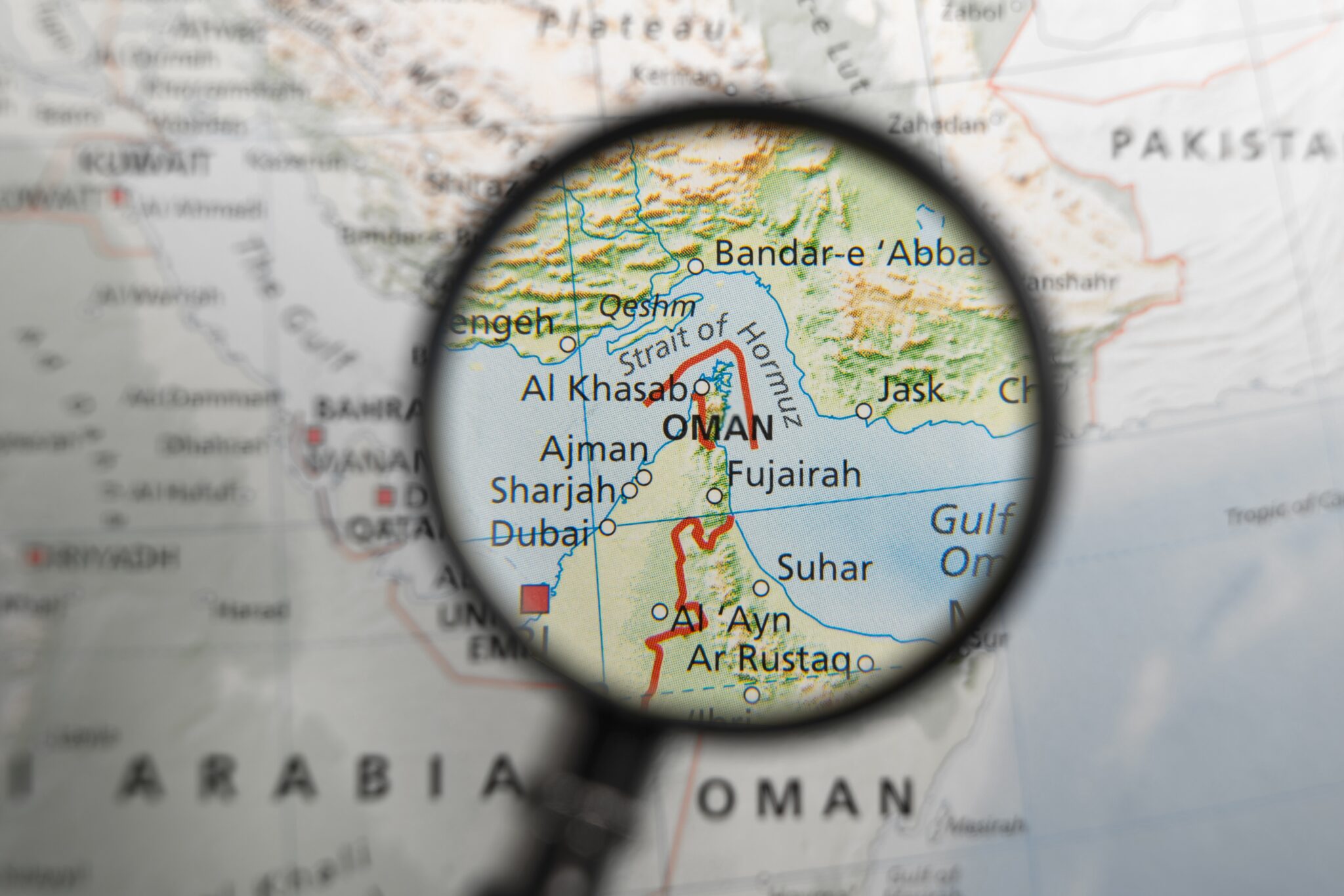
According to the official, the U.S. military last week identified a dhow from which Iranian observers were relaying information about targets to the Revolutionary Guards. U.S. forces ordered the people aboard to abandon the boat and destroyed it. There were no casualties.
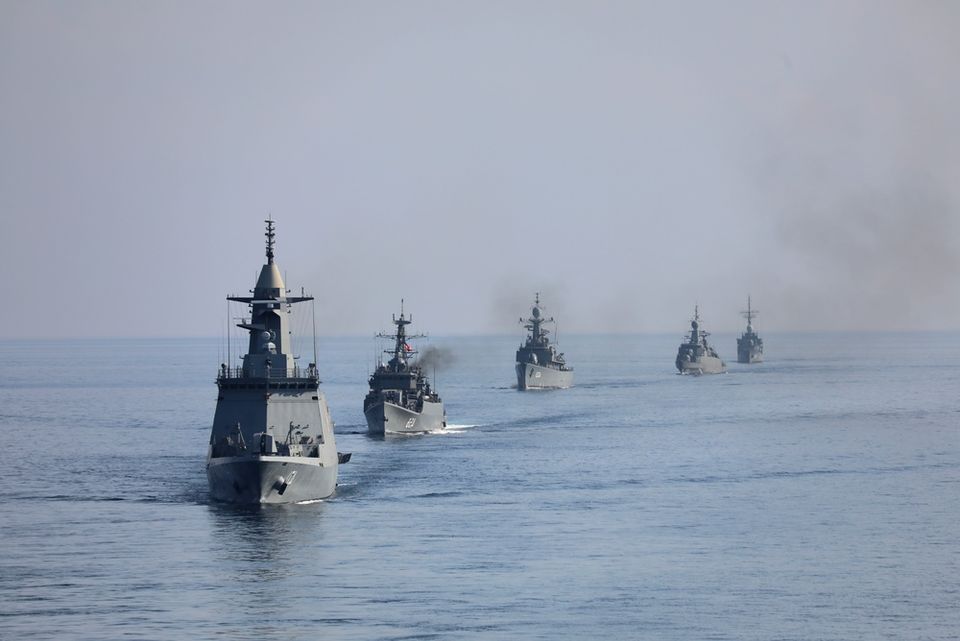
The official added that Iran is struggling to stop the increase in oil exports through the Strait of Hormuz, partly because it is avoiding risking the fast vessels that remain at its disposal following the damage to its navy.
War becomes a political issue in the U.S.
The war in Iran, estimated to cost about $3 billion a month, is becoming a significant issue ahead of the U.S. midterm elections on November 3, which will determine the makeup of Congress. U.S. President Donald Trump is weighing his next steps against Tehran but has declared that he will not order another attack before the elections.
At the same time, the U.S. continues to impose a naval blockade on Iran’s ports and expand sanctions in an effort to exert economic pressure on the regime and bring the conflict to an end through an agreement. Tensions in the Strait of Hormuz, alongside threats of attacks and the high costs of shipping and insurance, are making it difficult for trade routes to return to normal and leaving energy markets exposed to further disruptions.
Attacks expand beyond the strait
According to independent data, attacks against commercial vessels in the Strait of Hormuz have reached their highest level in recent days since the war began. At least five incidents involving tankers and commercial vessels were reported in the area over 48 hours, including drone attacks. The reports were submitted, among others, to UKMTO, which operates in connection with the British navy.
The number of incidents was similar to that recorded from October 3 to 5. A maritime security official said the increase in the pace of attacks appeared deliberate.
Iran intends to expand the attacks beyond the Strait of Hormuz, including to the Gulf of Oman and more distant maritime areas, according to the two officials. Reports collected by maritime security officials indicate that the move may already have begun, with attacks against vessels also occurring in waters off the coasts of Qatar and the United Arab Emirates.
The second senior Iranian official made clear that Tehran intends to thwart Trump’s efforts to bring down oil prices before the elections.

“Just when they think they are approaching the point where prices will fall, we will push them far away from it. It is a chess game,” he said.
He said vessels would not be able to feel safe even outside the Strait of Hormuz.
Iran threatens complete closure
The two senior Iranian officials warned that Tehran is approaching a situation in which vessels that violate its passage restrictions will no longer be able to cross the Strait of Hormuz. “A complete closure will happen soon,” one of them said.
Meanwhile, the U.S. Navy-led Joint Maritime Information Center continues to classify the threat to commercial shipping in the region as “severe,” the second-highest threat level. In its latest report, published Sunday, the center noted that the Revolutionary Guards are continuing attacks, attempted attacks and harassment of vessels, including through drones, targeted surveillance and maritime radio calls.