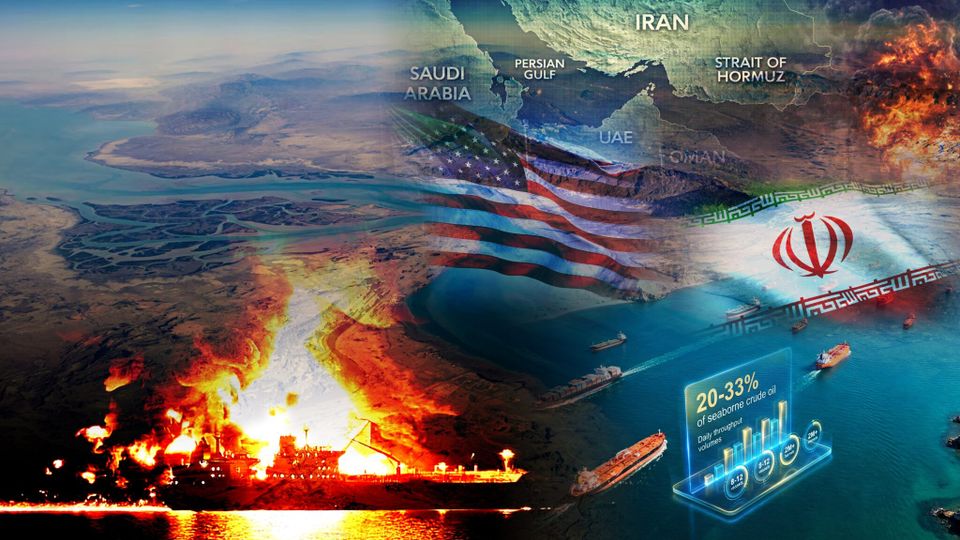
Within a short time, escalation was recorded on several fronts: the Houthis attacked targets in Saudi Arabia yesterday, the U.S. destroyed Iranian oil tankers, and Iran claimed it had carried out an attack against a U.S. base in Jordan. At the same time, concern over further disruption to the oil supply pushed the price of oil higher, but it still remained below the threshold of $100 a barrel.
Yesterday, the conflict, which has already lasted about six months, expanded. The Houthi rebels in Yemen launched an attack against targets in several cities in southern Saudi Arabia. At the same time, the U.S. attacked Iranian oil tankers, and Iran responded with an attack against a U.S. base in Jordan. As a result, more and more countries and allies are entering the cycle of fighting.
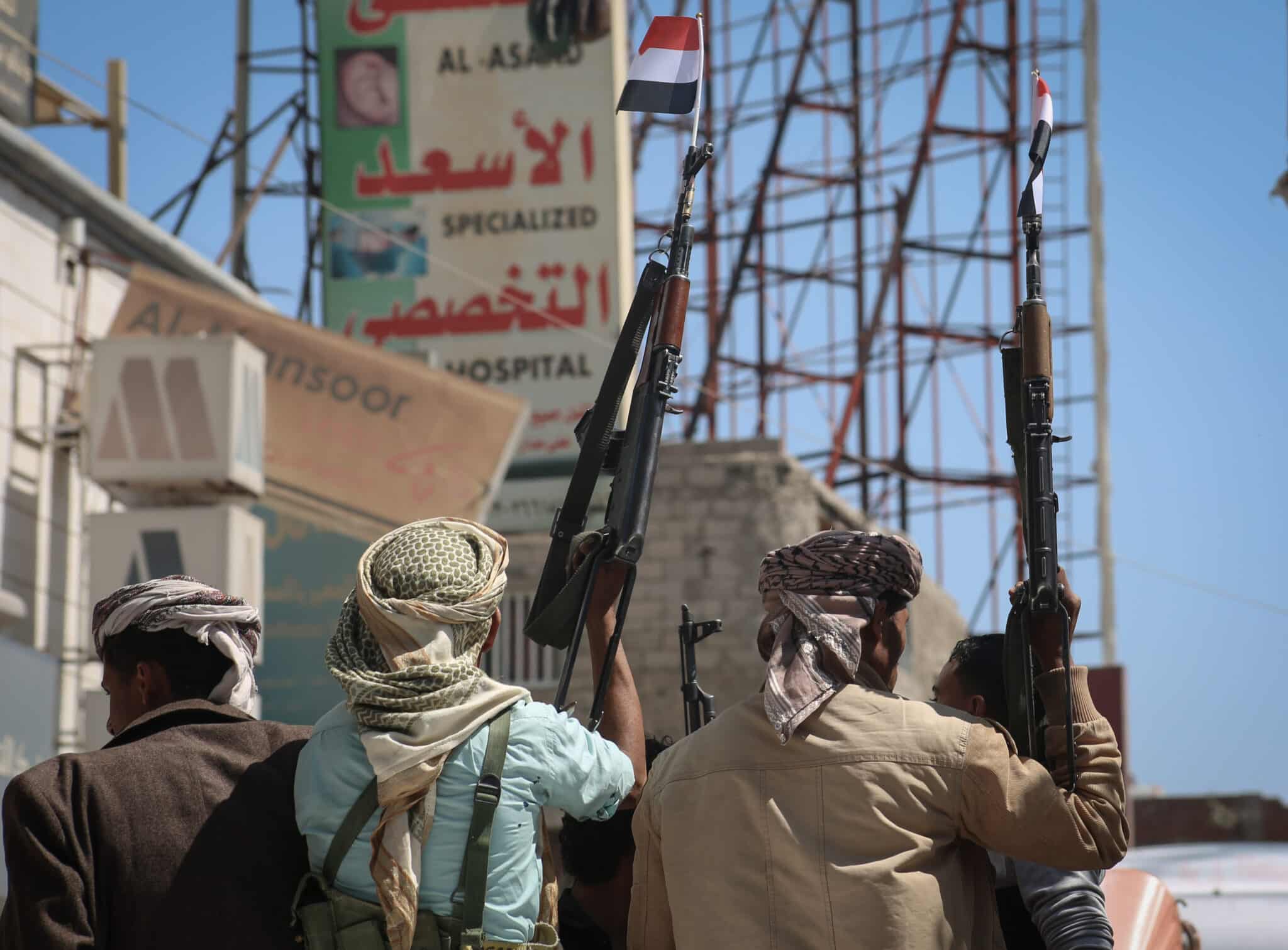
The Houthis expanded the attack into Saudi territory and struck four cities in the south of the country. According to Saudi authorities, 73 people were injured, while fires broke out at oil sites. The scale of the attack indicates a significant escalation compared with the pattern of fighting in recent months.
Footage of the destruction of the Iranian oil tankers:
CENTCOM forces destroyed five Iranian crude oil carriers, Sept. 8, after the Islamic Revolutionary Guard Corps (IRGC) targeted a U.S. Navy warship with ballistic missiles twice over the past two days. The U.S. warship successfully evaded the attempted Iranian attacks and… pic.twitter.com/Gi8a2tloN1
— U.S. Central Command (@CENTCOM) September 8, 2026
Alongside the escalation in Saudi Arabia, the U.S. intensified its direct pressure on Iran. U.S. Central Command (CENTCOM) said its forces had destroyed five tankers carrying Iranian oil, writing: "CENTCOM forces destroyed five Iranian crude oil carriers on September 8, after the Islamic Revolutionary Guard Corps (IRGC) twice targeted a U.S. Navy warship with ballistic missiles over the past two days. The U.S. warship successfully evaded the attempted Iranian attacks and continued patrolling regional waters. No U.S. personnel were injured."
The M/T Riesco sinks in the Gulf of Oman after being destroyed by U.S. Central Command forces in response to attempted attacks by the Revolutionary Guards on a U.S. Navy warship:
M/T Riesco sinks in the Gulf of Oman, Sept. 8, after being destroyed by CENTCOM forces in response to attempted IRGC attacks on a U.S. Navy warship. pic.twitter.com/EkmG8uyMT9
— U.S. Central Command (@CENTCOM) September 9, 2026
During his visit to Colombia yesterday, U.S. Secretary of State Marco Rubio made clear that Washington intends to directly link Iranian attacks against U.S. ships to strikes on Iran's oil tankers. He said any further attempt to strike the U.S. Navy would result in the loss of Iranian tankers: "Iran continues to try to strike U.S. Navy ships, and every time they do so or try to do so, they will lose tankers."
As noted, Iran did not stop at threats and announced that it had launched ballistic missiles at a U.S. base near Al-Azraq in Jordan. The Revolutionary Guards publicized the claim through state media, and a video that the country said documented the launch was also circulated in Iran.
In Iranian state media, Iran portrayed the attack as a success and claimed it had caused significant damage, but Jordan provided a completely different account. According to Jordanian authorities, 18 of the 20 missiles were intercepted, and the other two fell in unpopulated areas. As a result, no casualties were reported, according to a report by Jordan's Petra news agency.
The attack in Jordan is part of a broader pattern: Since the start of the war, Iran has acted several times against countries in the region that host U.S. forces.
Alongside the claim about the attack in Jordan, the Revolutionary Guards also claimed that they had struck two U.S. Navy destroyers.
After a relatively calm month in August, the resumption of exchanges of fire between the U.S. and Iran renewed concerns in energy markets. The price of Brent crude oil had already risen to its highest level since July 23, and the attack in Jordan added about a dollar to the price of futures contracts. However, the market has still not reached $100 a barrel.
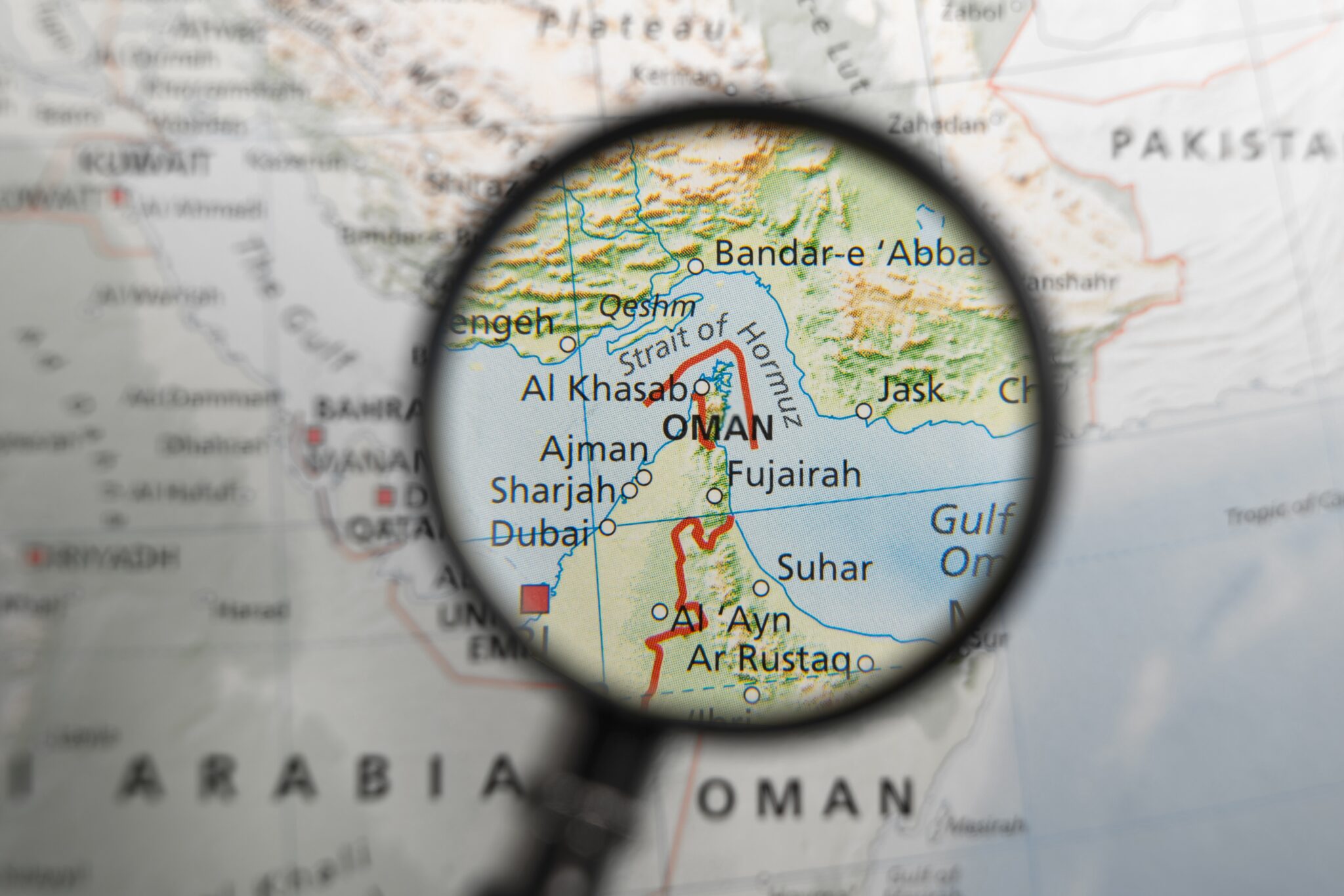
Despite the U.S. damage to its military capabilities and the harm caused to the Iranian economy, Iran still retains the ability to carry out attacks using missiles and drones, and can still threaten shipping lanes in the strategically important Strait of Hormuz.
At the same time, the Houthis are adding a maritime dimension to the war. Their control over large parts of Yemen, particularly the area near shipping lanes leading to the Red Sea, enables them to threaten shipping and exert economic pressure on countries aligned with the U.S.
https://tv10.co.il/environment/energy/113345/embed/#?secret=yhXUV7s52c#?secret=3w1oABw2NW
The Houthis portrayed yesterday's attack as a coordinated, large-scale operation inside Saudi Arabia. According to their claim, missiles and drones were launched at the air force base in Khamis Mushait, as well as at energy facilities belonging to the Saudi national oil company in Abha, Najran and Jizan.
NASA satellite images also provided an indication that there were fires at sites linked to the attack. The images showed thick black smoke over the refinery in Jizan, as well as another plume of smoke over an oil distribution center in the Abha area.
Saudi Arabia reported fires at several of the sites that were struck and 73 people injured, making it one of the most significant attacks Saudi Arabia has sustained since the war began in February.
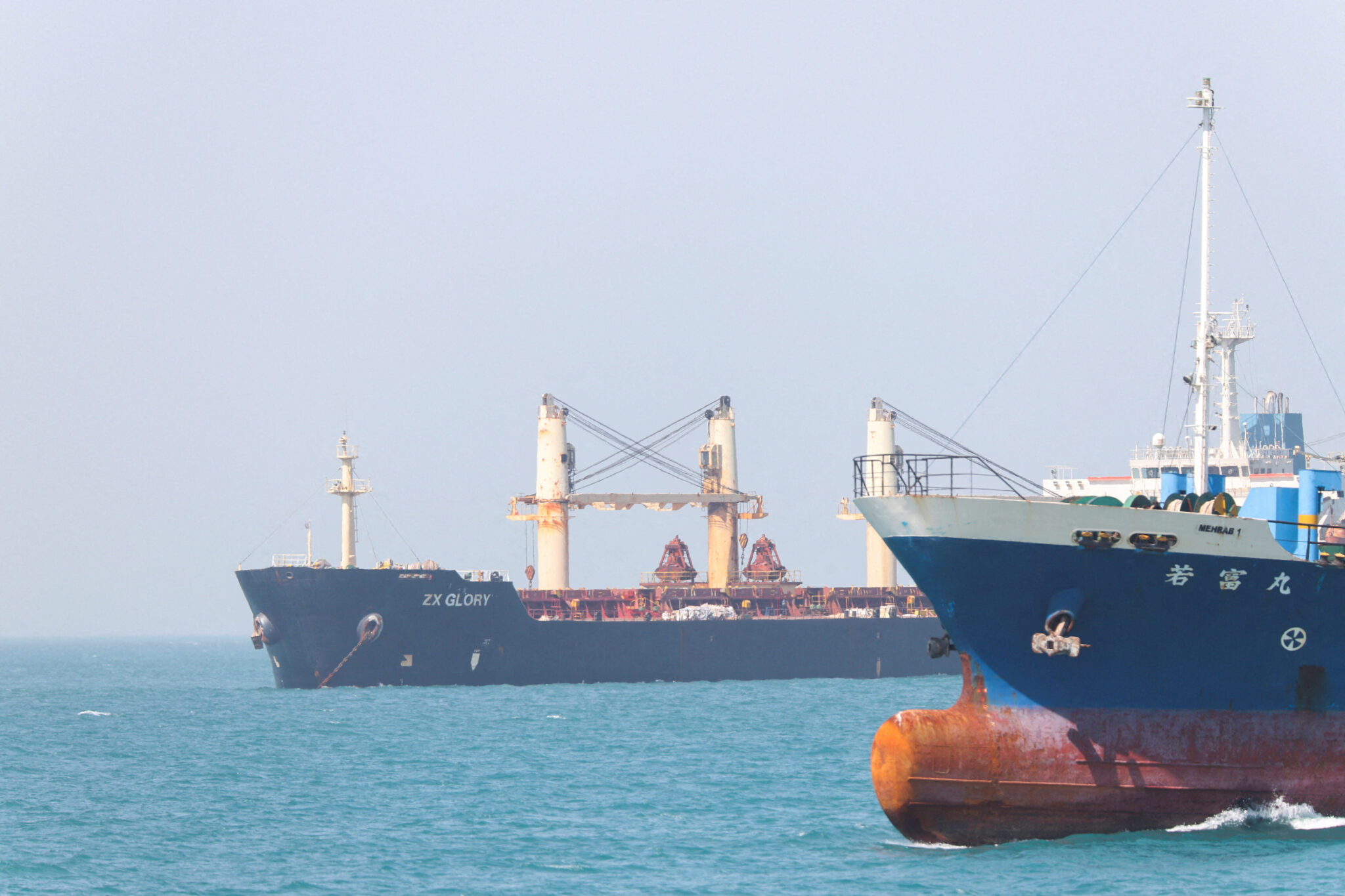
If the Houthis continue to strike infrastructure and transportation routes in southern Saudi Arabia, the damage could extend far beyond the boundaries of the war. Together with the disruptions in the Strait of Hormuz, this could cause cumulative harm to the flow of energy from the Middle East to global markets.
Beyond the fighting itself, the conflict has become an economic battle between Washington and Tehran. Both countries are trying to use control over energy and trade routes to pressure their adversary, in the hope that the economic price inflicted on it will be high enough to force it to retreat.
From the U.S. perspective, the tankers were not merely a means of transporting oil but a component of a broader financing system for the Revolutionary Guards and Iran-backed organizations. Washington therefore portrays their destruction as part of the effort to strike the funding sources of the Iranian proxy network in the region, which Tehran calls the "Axis of Resistance."
Brent crude oil futures rose 1.4% to $99.33 a barrel, while WTI (U.S. oil) rose to about $94.3-$94.5 a barrel.