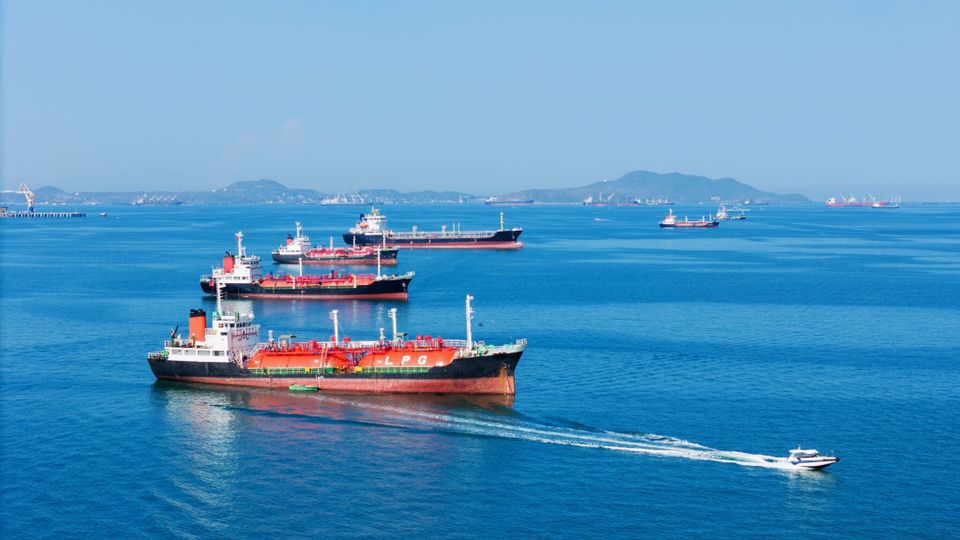
The war in the Gulf is dramatically increasing the cost of transporting oil through the Strait of Hormuz, as shipping companies are forced to offer exceptional pay to crew members willing to take the risk.
Captains of oil tankers sailing through the strait are currently receiving compensation of about $100 thousand a month, along with a $50 thousand bonus for each crossing, amid continued Iranian attacks on vessels, according to the Financial Times.
The compensation comes in addition to doubled pay for crew members while they are in the southern Red Sea and the Gulf of Oman. During the transit through Hormuz, regular crew members may receive 4 to 6 times their usual pay. For some workers, this amounts to significant income over several months, as dedicated tankers repeatedly travel the same route.
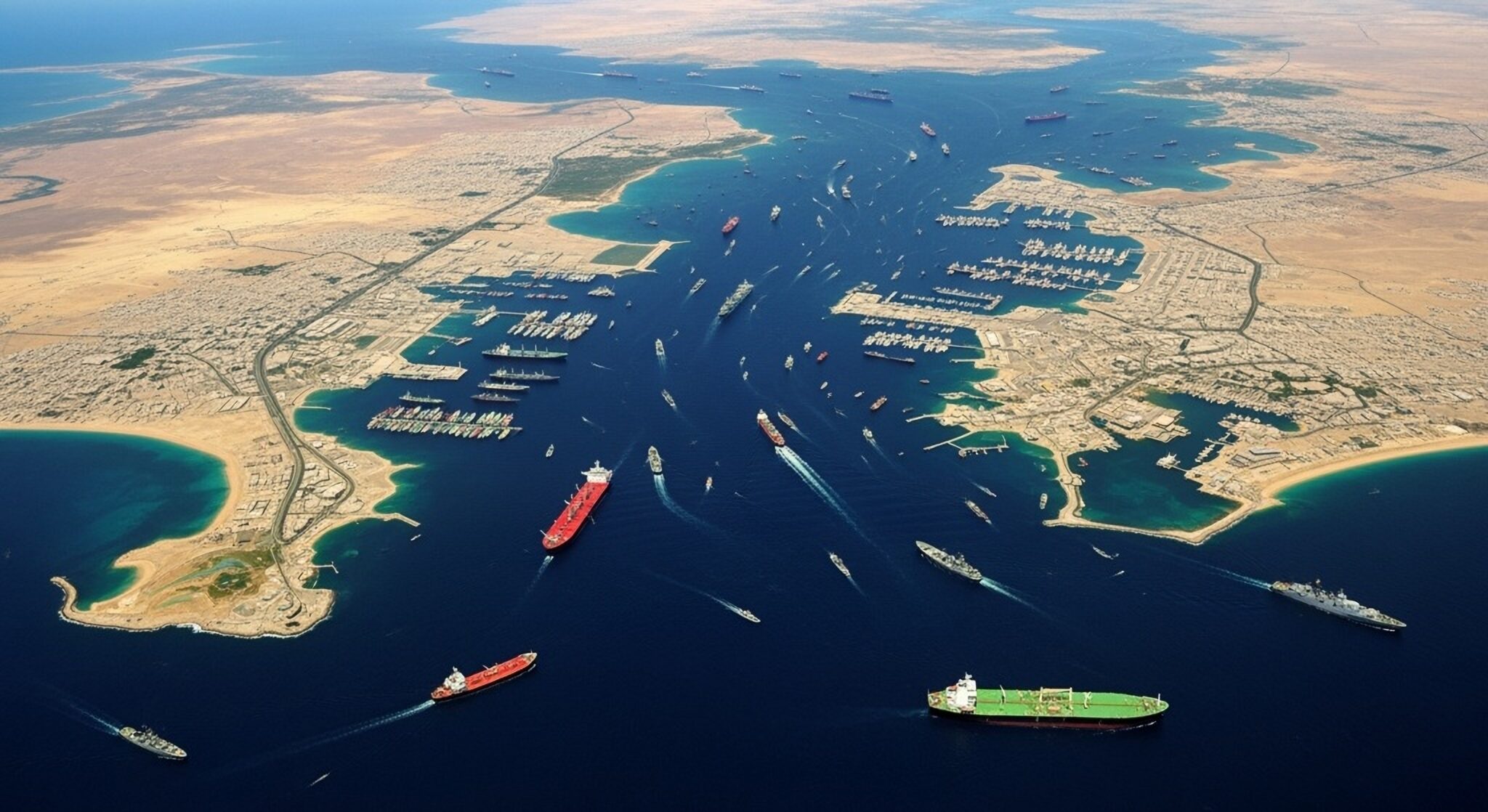
Moreover, the cost of the voyage is not limited to workers' pay. Freight rates for cargo passing through the strait reached a record $1.3 million a day this week, compared with just $20-$50 thousand a day last year. A voyage involving entry into the Gulf, loading oil and exiting it generally takes about four days, and only a limited number of ships are currently willing to make the journey.
The security risk in the region has intensified recently, and according to maritime security company Vanguard, at least 14 attacks have occurred since September 20, including four ships hit since the weekend. Overall, according to the International Chamber of Shipping, at least 93 ships have been hit since February 28, and 24 crew members have been killed.
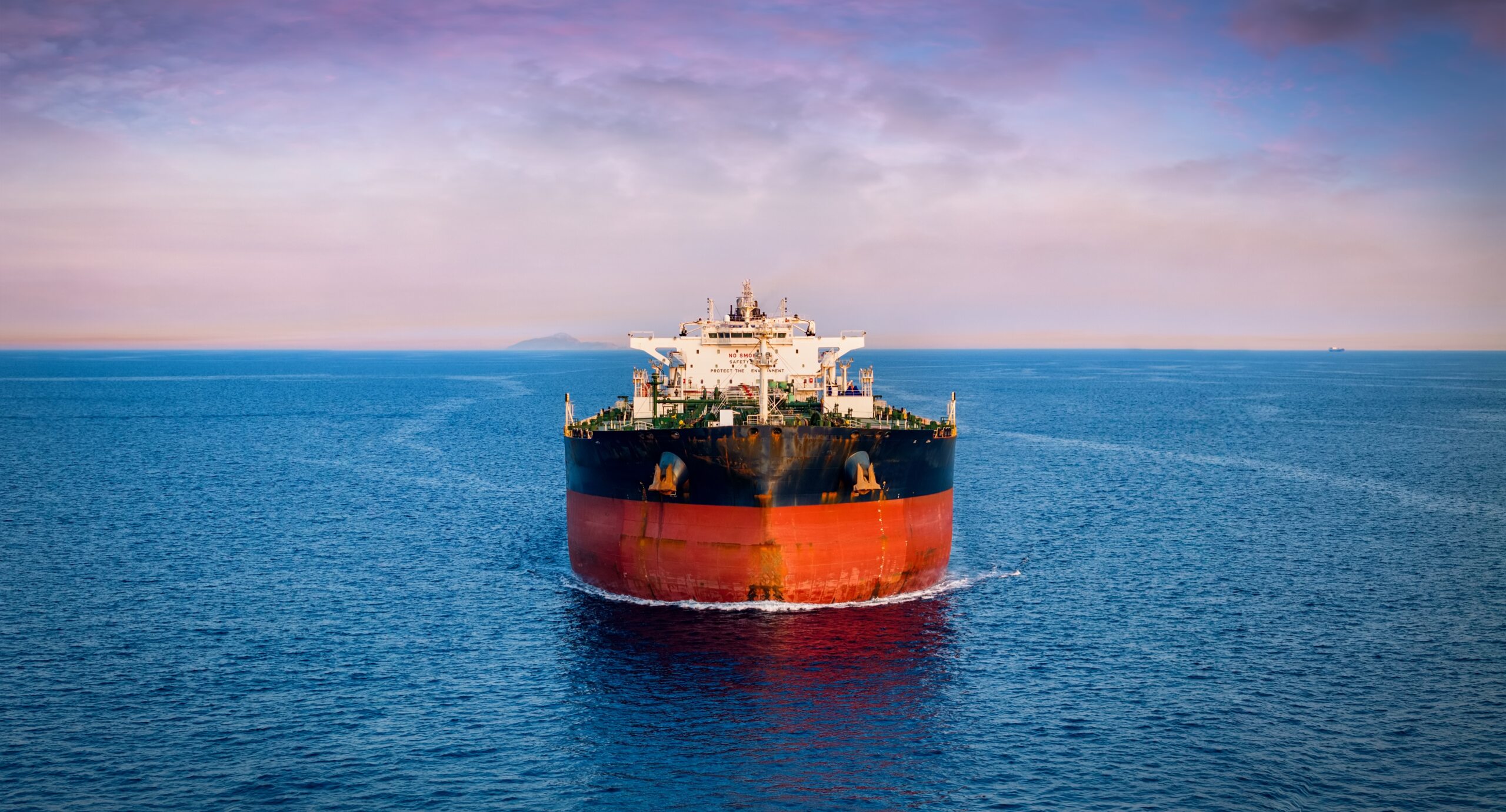
Despite the risk, companies and oil producers in the region continue to use the route because of the economic importance of moving oil out of the Gulf. A typical supertanker can carry about 2 million barrels of oil and sail with a crew of up to 35. Some tankers transfer the oil to other ships waiting outside the Gulf, near Fujairah in the Gulf of Oman, from where the cargo continues to its final destination.
The increase in risk is also affecting the number of ships passing through the strait. According to Windward, only 13 vessels passed through it on October 4, compared with 24 on the same day the previous week. Most ships pass through the area at night and turn off their GPS systems, while the U.S. Navy deploys air defense capabilities along a route near the coast of Oman.
Before the war, about 135 vessels passed through the strait each day, carrying about 20% of the world's oil and liquefied natural gas supply. According to Windward, about 2% of the ships that passed through the strait in the third quarter were hit.
Oil flows themselves have also changed. According to Kpler, oil exports from the Gulf have approached prewar levels, but flows through the Strait of Hormuz are still about one-third below prewar levels. Some cargoes have been diverted to other routes, including pipelines.
At the same time, shipping companies are also contending with significant increases in insurance and fuel costs. War-risk insurance premiums in the region have reached 6%-10% of a ship's hull value, meaning insurance for a supertanker could cost about $20 million per voyage. The price of fuel oil in Fujairah, the main refueling port near the Gulf, reached $686 per ton on Monday — an increase of 67% from last year.
However, the risk is not shared equally among all crew members. Many seafarers come from countries such as India, the Philippines and Indonesia, as well as Russia, Ukraine and Eastern Europe, and are drawn to the profession because the pay is relatively high compared with incomes in their home countries.
Companies continuing to operate ships in the region include South Korea's Sinokor, Greece's Dynacom and state-owned energy companies from the Middle East, including Abu Dhabi's ADNOC and the Kuwait Oil Tanker Company.
Thus, since the outbreak of the war, the Strait of Hormuz has become not only a security flashpoint but also an especially costly bottleneck for the energy market. Companies are willing to pay exceptional sums to continue moving oil out of the Gulf, while the decline in the number of crossings and the diversion of some cargoes to alternative routes are changing transportation patterns in the region.