The Organization of the Petroleum Exporting Countries and its allies, OPEC+, decided Sunday to leave its oil output targets unchanged in November as well. The decision was made following an online meeting of eight of the group’s key countries, including Saudi Arabia, Russia, Iraq, Kuwait, Algeria, Kazakhstan and Oman.
The move marks the second consecutive time the organization has refrained from increasing output, amid security risks in the Middle East and disruption to oil tanker traffic in the Strait of Hormuz.
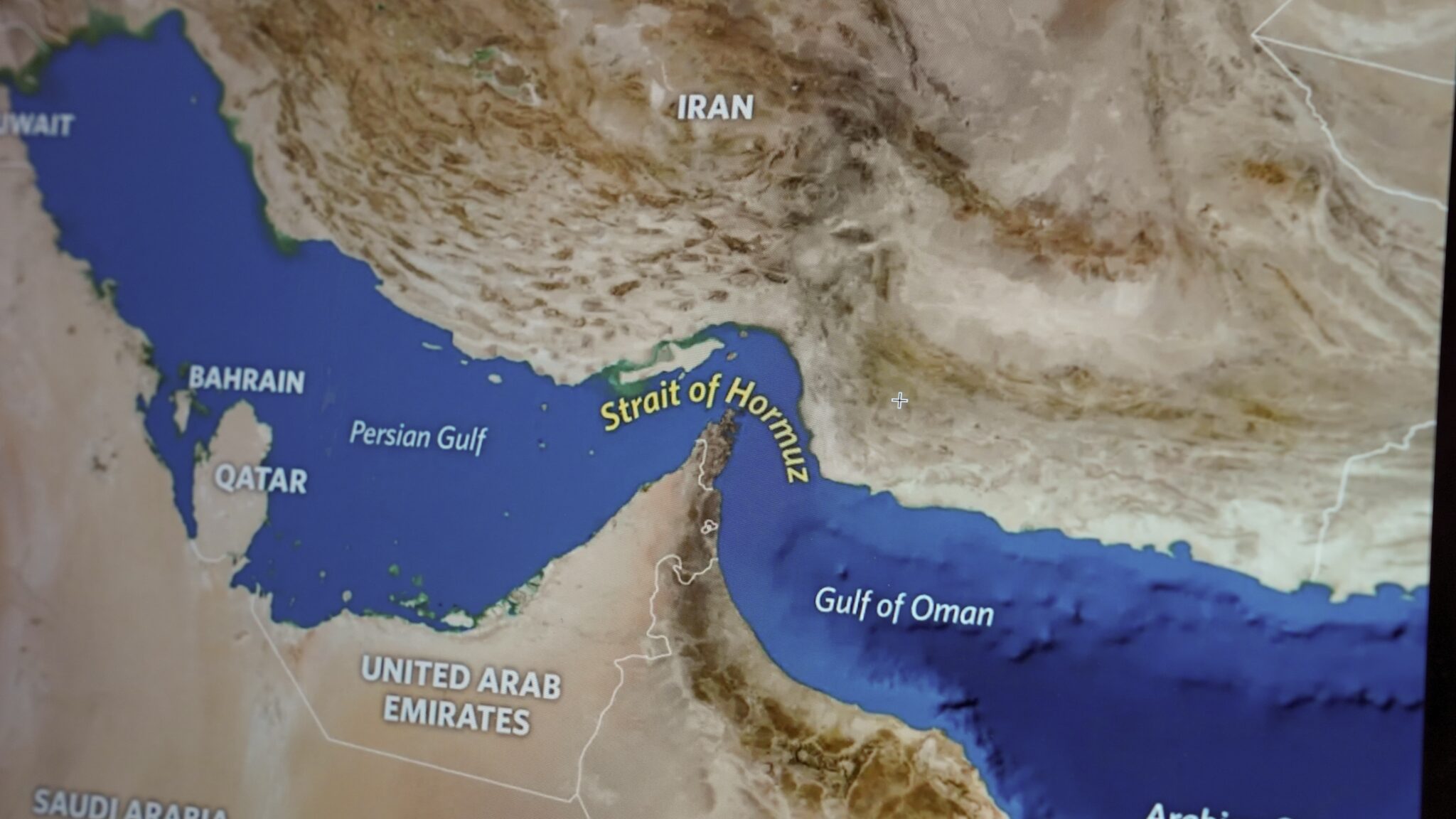
The decision comes amid the war between the United States and Iran, which has continued for eight months and is disrupting the flow of oil from the Persian Gulf. Although several market assessments point to a partial recovery in oil exports from the region, shipping risks remain high.
According to Commerzbank analysts, oil exports have begun to rise again despite the fighting, but the physical market is still contending with a significant shortage, and tensions surrounding shipping routes continue to add a risk premium to oil prices.
Concerns in the Strait of Hormuz and the Market’s Response
The main risk for the energy market remains the Strait of Hormuz, a vital maritime route for transporting oil from the Persian Gulf to markets worldwide. On Sunday, another tanker was reported to have been hit by fire in the strait area, according to a UKMTO report. The concern is that continued disruption to tanker traffic will reduce the global oil supply and keep prices at high levels. Last Friday, Brent crude closed at around $102 a barrel, while WTI crude stood at about $91 a barrel.
The OPEC+ decision comes after the organization increased output for six consecutive months. In September, the group increased production by about 188,000 barrels per day, thereby completing the gradual unwinding of voluntary output cuts totaling 1.65 million barrels per day that were set in 2023.
At the same time, additional cuts totaling about 2 million barrels per day are expected to remain in effect through the end of the year. In practice, most of the organization’s members are still producing below their quotas, with output in August more than 4 million barrels per day below production levels in February.
The G7 Countries’ Move
Amid the shortage and surge in fuel prices, the G7 countries decided Friday to release 100 million barrels of crude oil and diesel from their strategic reserves over the next four months. The move is intended to ease pressure on the market and moderate energy prices, but it is still unclear whether it will be enough to bring about a sustained decline in oil prices and consumer fuel prices.
Meanwhile, tensions in the Middle East continue. The United States is bolstering its forces in the region, and the Pentagon is expected to send a third aircraft carrier strike group and another Marine Corps unit, totaling about 9,000 to 10,000 troops, by the end of November. OPEC+ is expected to convene again on November 1 to decide on output targets for December.