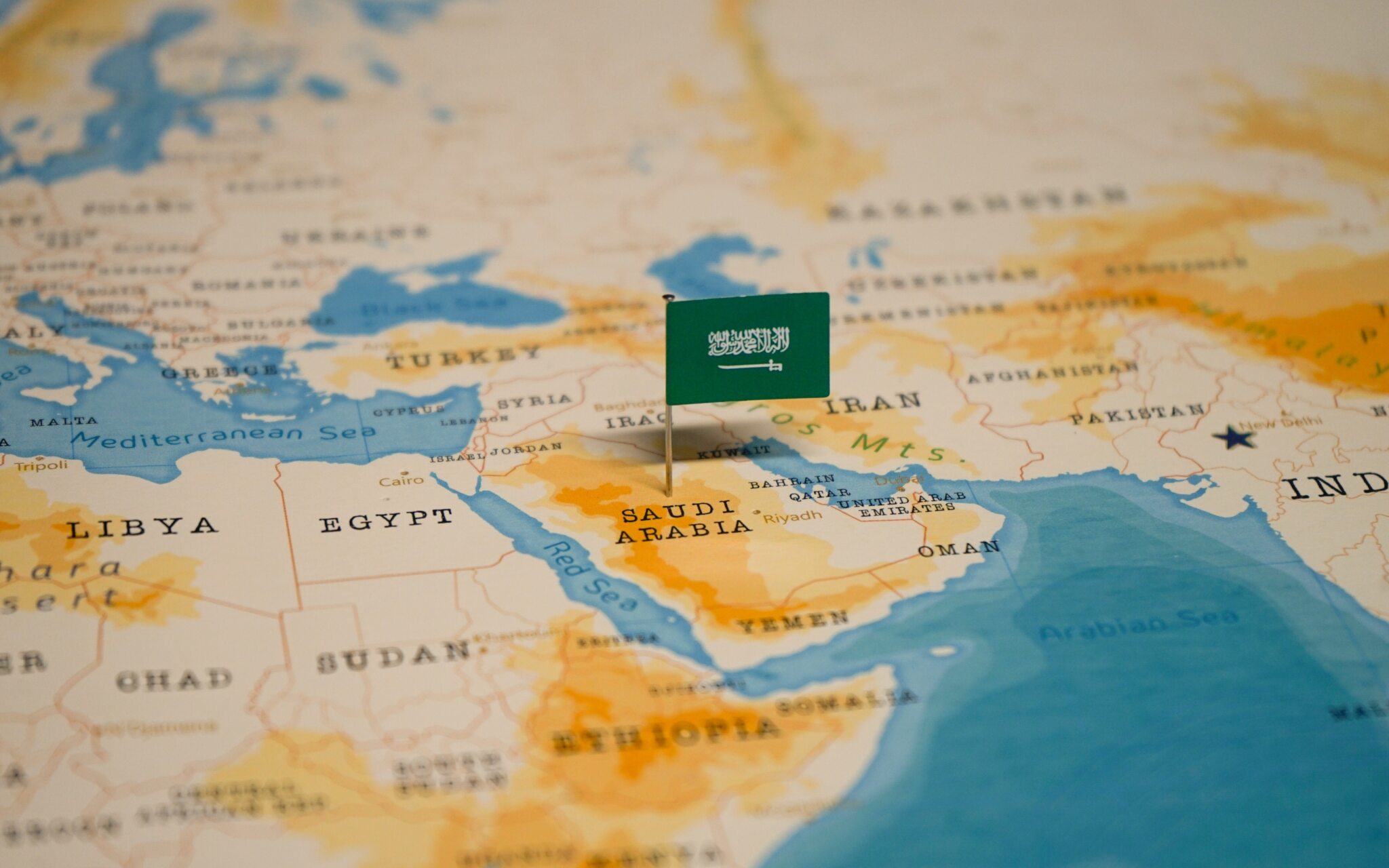
The Houthi rebels are making gains in Yemen and approaching a key point — the Bab el-Mandeb Strait, which connects the Red Sea to the Gulf of Aden and serves as a major route for trade and energy transportation.
The Houthis captured Mokha after days of fighting against Yemeni government forces backed by Saudi Arabia, bringing them significantly closer to Bab el-Mandeb. The Houthis seized the strategic port city of Mokha on Yemen’s western coast today (Thursday), according to Yemeni and Saudi officials cited by The Wall Street Journal. In doing so, the Houthis expanded their control in the area near the Bab el-Mandeb Strait, a key route for transporting energy through the Red Sea.
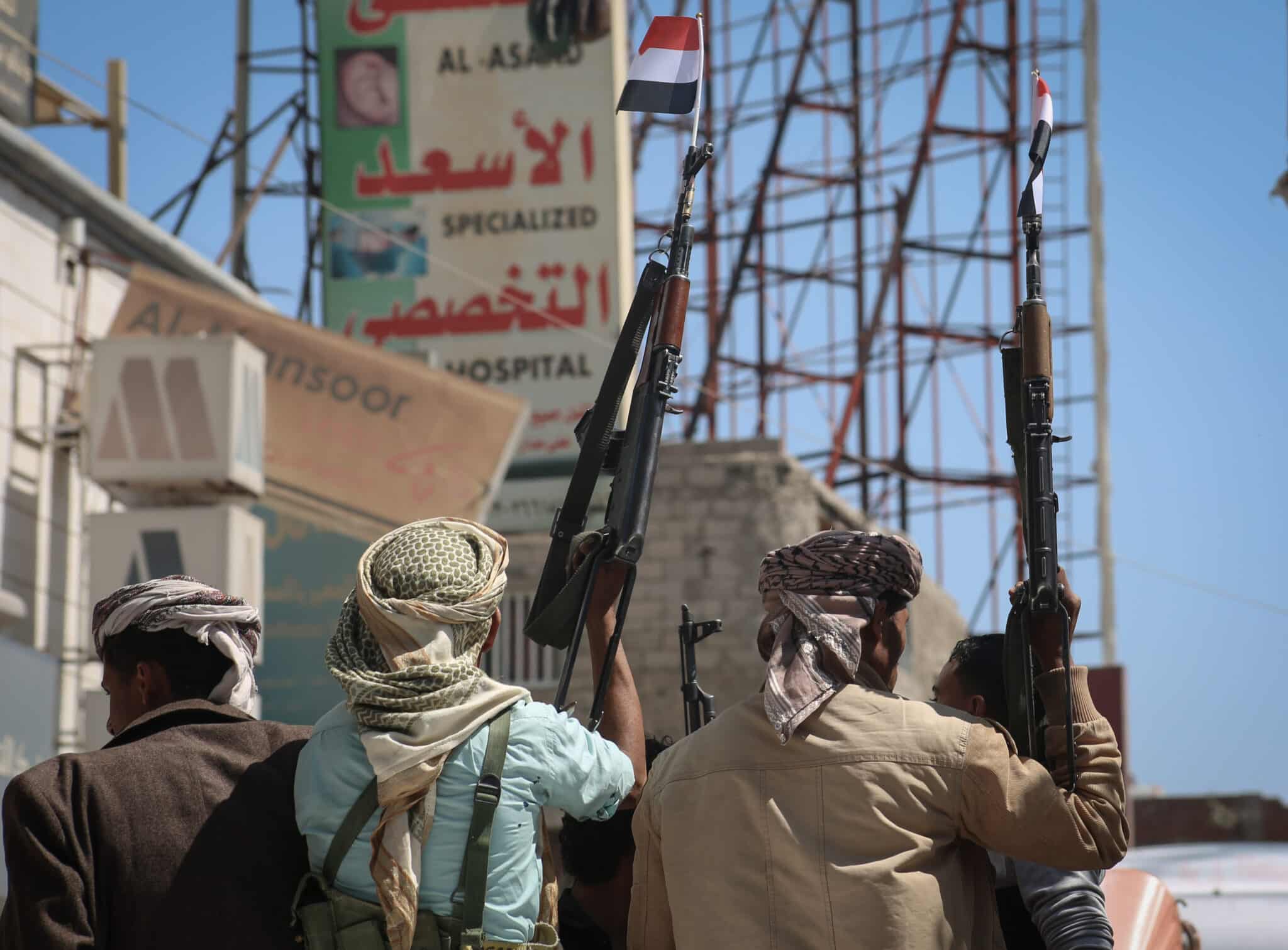
The Houthi takeover of Mokha, once a major coffee trading center from which the term “mocha” was derived, came after days of heavy fighting against Yemeni government forces backed by Saudi Arabia. Fighting in the country has intensified since the beginning of July, and earlier this week the Houthis carried out a large-scale attack using missiles and unmanned aerial vehicles against energy facilities in southern Saudi Arabia and a military base, wounding dozens of people.
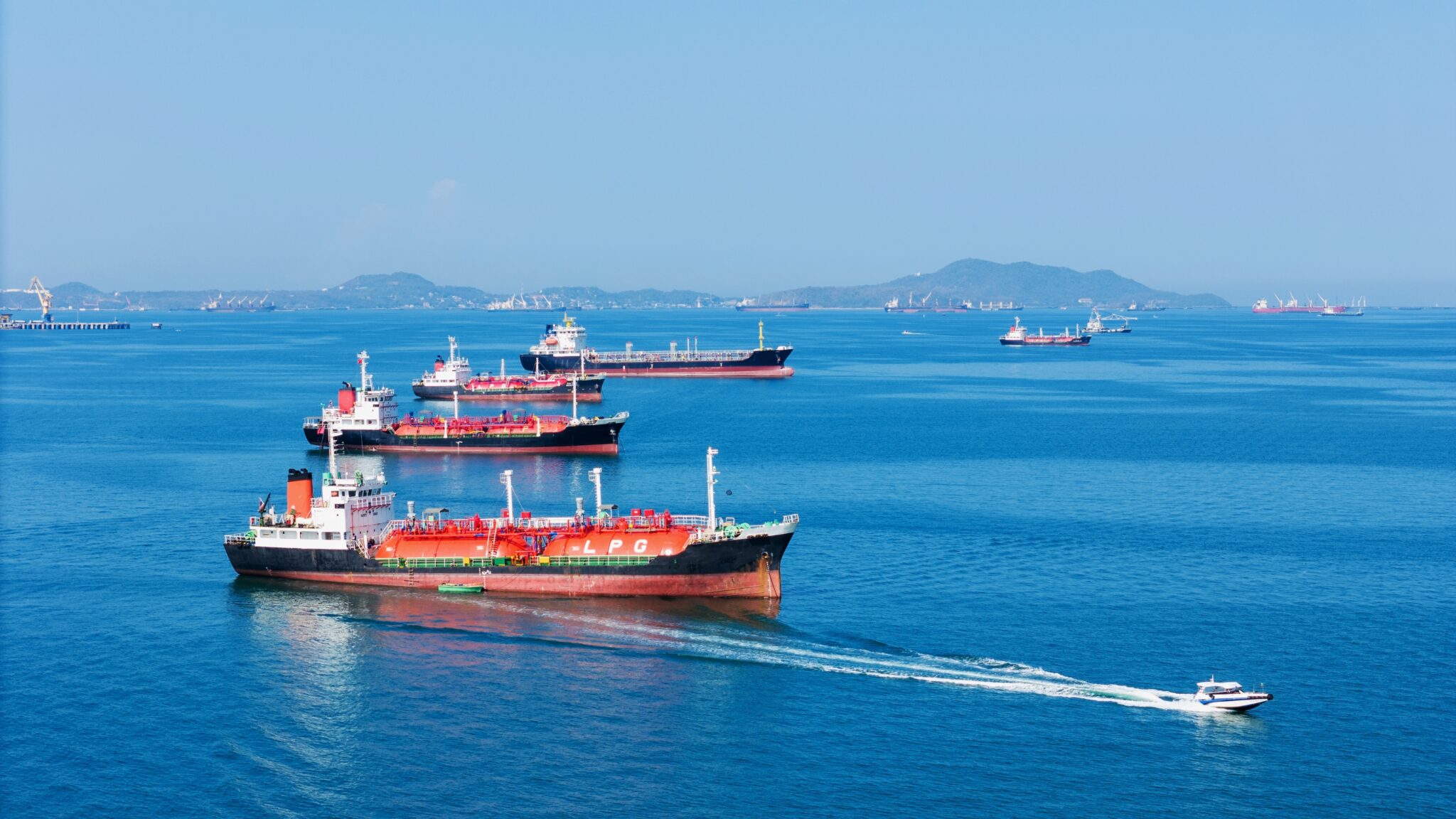
The fighting in Yemen is expanding at an especially sensitive time for the global energy market. While the confrontation between the U.S. and Iran is already disrupting oil traffic through the Strait of Hormuz, the Houthi advance in the Bab el-Mandeb area is raising concerns that the maritime route connecting the Red Sea to markets in Asia could also be disrupted.
The developments are also drawing Saudi Arabia back into deeper involvement in Yemen’s civil war. Riyadh has sought in recent years to distance itself from the conflict after the military intervention that began about a decade ago failed to remove the Houthis and exacted a heavy price.
According to Saudi and Yemeni officials, the Houthis are now close to consolidating control along a large section of the coast near Bab el-Mandeb. Capturing Mokha gives them an important supply point, and further advances could make it more difficult to transfer equipment and reinforcements to government forces in the south.
The Houthis receive weapons and training from Iran and the Islamic Revolutionary Guard Corps as part of a network of armed groups through which Tehran seeks to expand its influence in the region. However, unlike Hezbollah in Lebanon, the Houthis are considered relatively independent of Iran, although ties between the sides have strengthened in recent years.
The Houthis were not significantly involved in the current war between the U.S. and Iran until the ceasefire in Yemen collapsed in July. The conflict then intensified following a strike by the Saudi-led coalition on the airport in Yemen’s capital, intended to prevent a plane carrying a delegation of senior Houthi officials returning from Iran from landing.
In response, the Houthis announced a blockade of nearby Saudi ports and began attacking ships in the Bab el-Mandeb area.
The roots of the conflict date to 2014, when the Houthis seized Sanaa after advancing from their strongholds in the north. The move took place several years after the popular uprising in 2011, which led to the ouster of Yemen’s longtime ruler as part of the events of the Arab Spring.
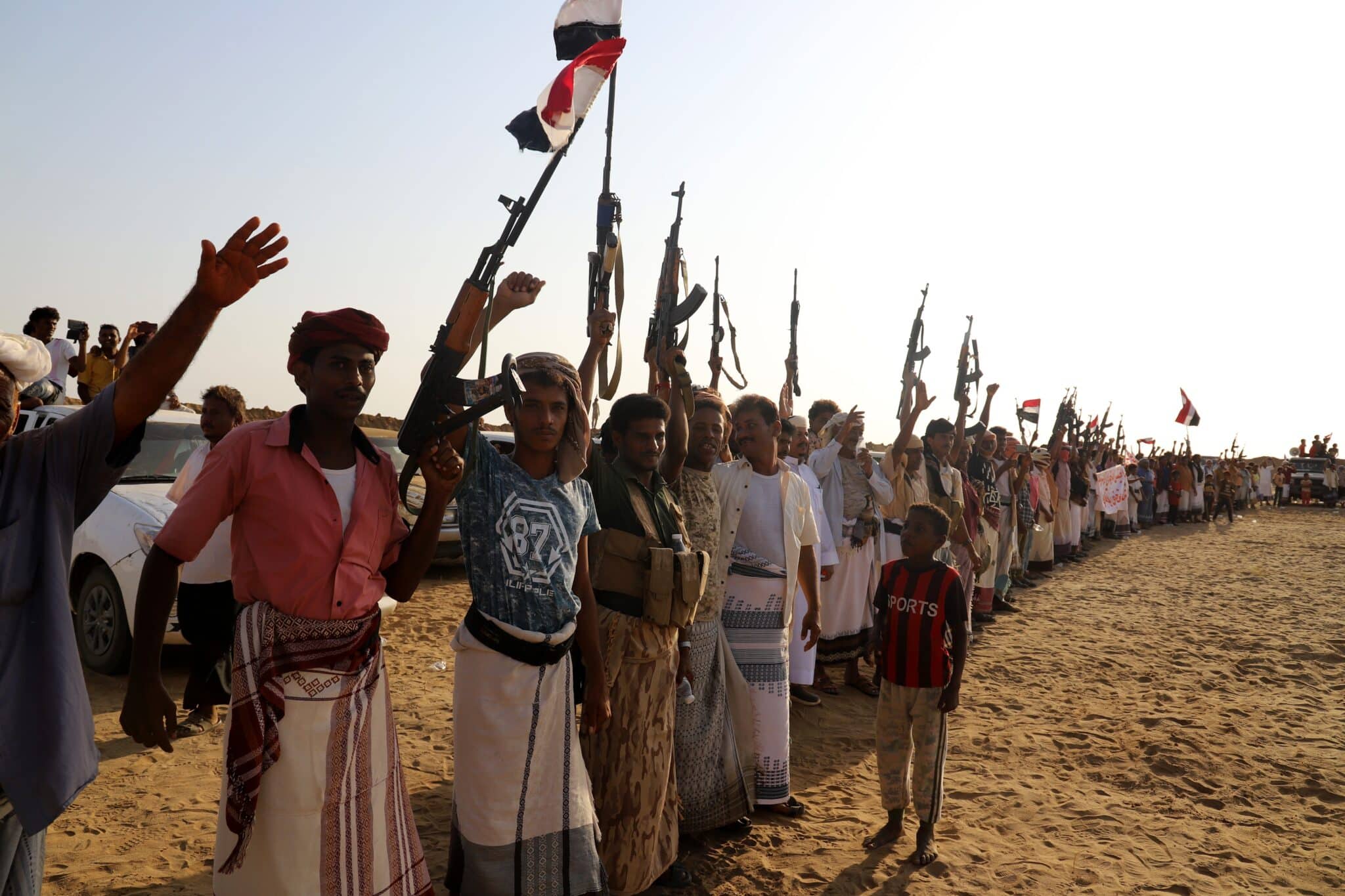
Saudi Arabia intervened directly in the war for more than five years, and since then it has supported the internationally recognized Yemeni government and led a coalition of Arab states operating against the Houthis.
The war has effectively split Yemen into two entities, with the Houthis currently controlling large areas in the north of the country.