A wave of security tensions in the Middle East, including direct exchanges of fire between the United States military and Iranian forces, is fueling deep anxiety in financial markets and has sent global oil prices in recent days to their highest level since the end of July.
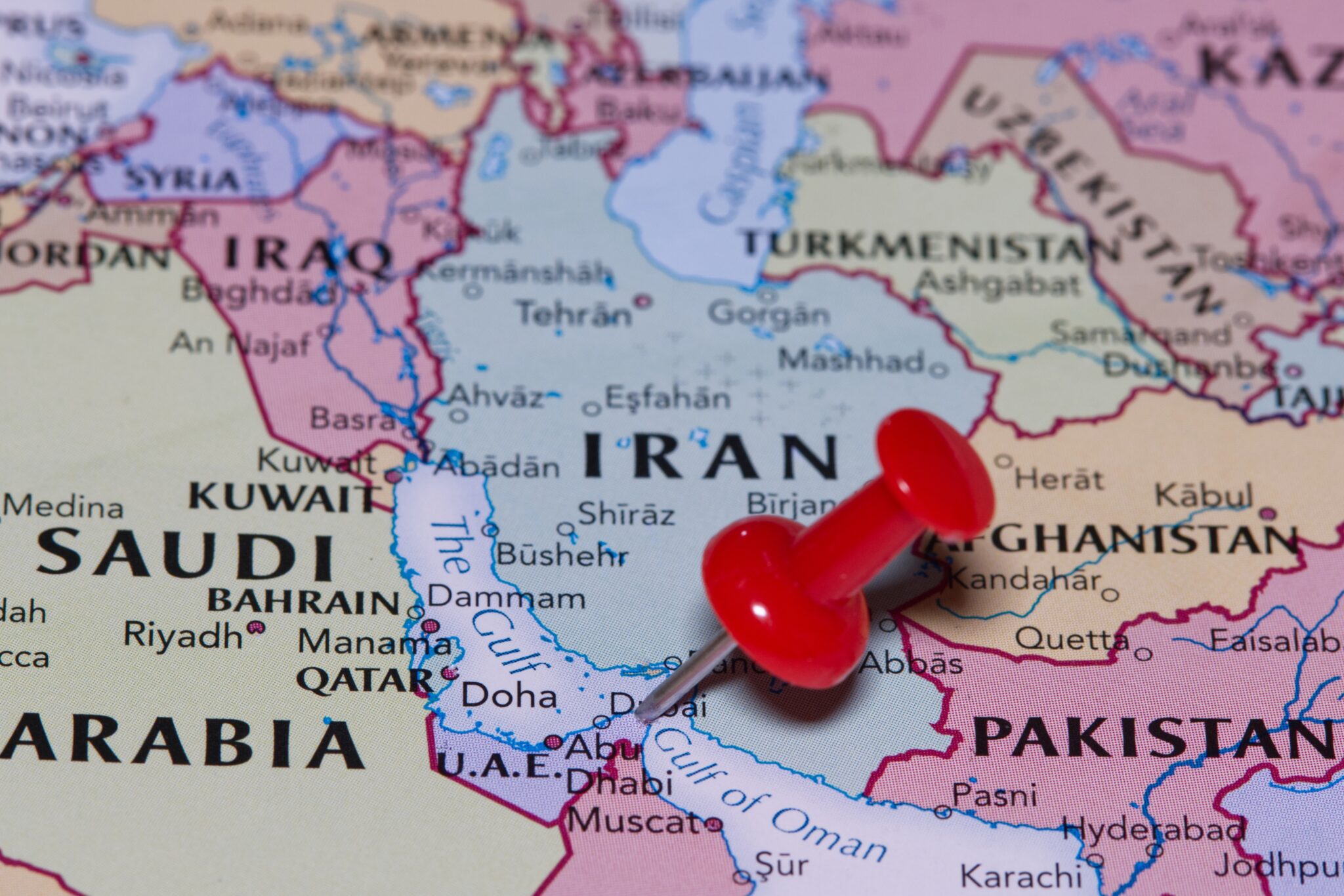
At the center of the concerns is the Strait of Hormuz, the critical maritime artery through which a significant share of the world’s energy supply passes, with the main fear focused on prolonged supply-chain disruptions and mounting pressure on stock and bond markets.
Escalation in Recent Days
The initial price surge was recorded Monday (August 31), after Iran’s Revolutionary Guards launched missiles and unmanned aerial vehicles at two U.S. bases in Jordan. In response, President Donald Trump threatened a harsh military response and said the U.S. would hit them very hard, a statement that immediately pushed the price of a barrel of Brent crude above $90.
On Tuesday (September 1), the tensions spread directly to the Strait of Hormuz area, with the first exchange of attacks in more than a month. Brent climbed about 3.8% to $93.89 a barrel, while U.S. oil (WTI) surged about 3.7% to $89.41.
The next day, Wednesday (September 2), another round of U.S. strikes against Iranian targets drove Brent futures for November delivery to $95.52 a barrel and WTI futures to $90.76.
Now, Thursday (September 3), crude oil prices are stabilizing around $90 a barrel after three consecutive days of gains and following Trump’s statement that “the fighting will not last long.”
Calm or Further Escalation?
Despite the intense exchanges of fire, reports from the area indicate that oil shipments continue to pass through the Strait of Hormuz at an estimated rate of about 8 million barrels a day. However, U.S. threats to strike major Iranian oil export terminals are keeping the level of risk high.
Today (Thursday), Kuwait’s military announced that it was responding to a missile attack and a large-scale drone strike by Iran, as the country’s air defense forces work to intercept the targets within its territory.
Despite the escalation in the Gulf, reports indicate that the president’s senior advisers, including Vice President JD Vance and Secretary of State Marco Rubio, are working to curb the military escalation in an effort to prevent political damage to Republican factions. In a speech, President Trump said: “The fighting will not last long.”