Energy officials and ministers from the Organization of the Petroleum Exporting Countries and its allies are expected to announce that existing production quotas will remain unchanged for October, Reuters reported.
The expected decision comes as the group is currently focused on a complex reassessment of production quotas and setting production baselines for 2027, leading it to halt expansion plans for the fourth quarter of the year.
Impact of the Conflict in Iran on Markets
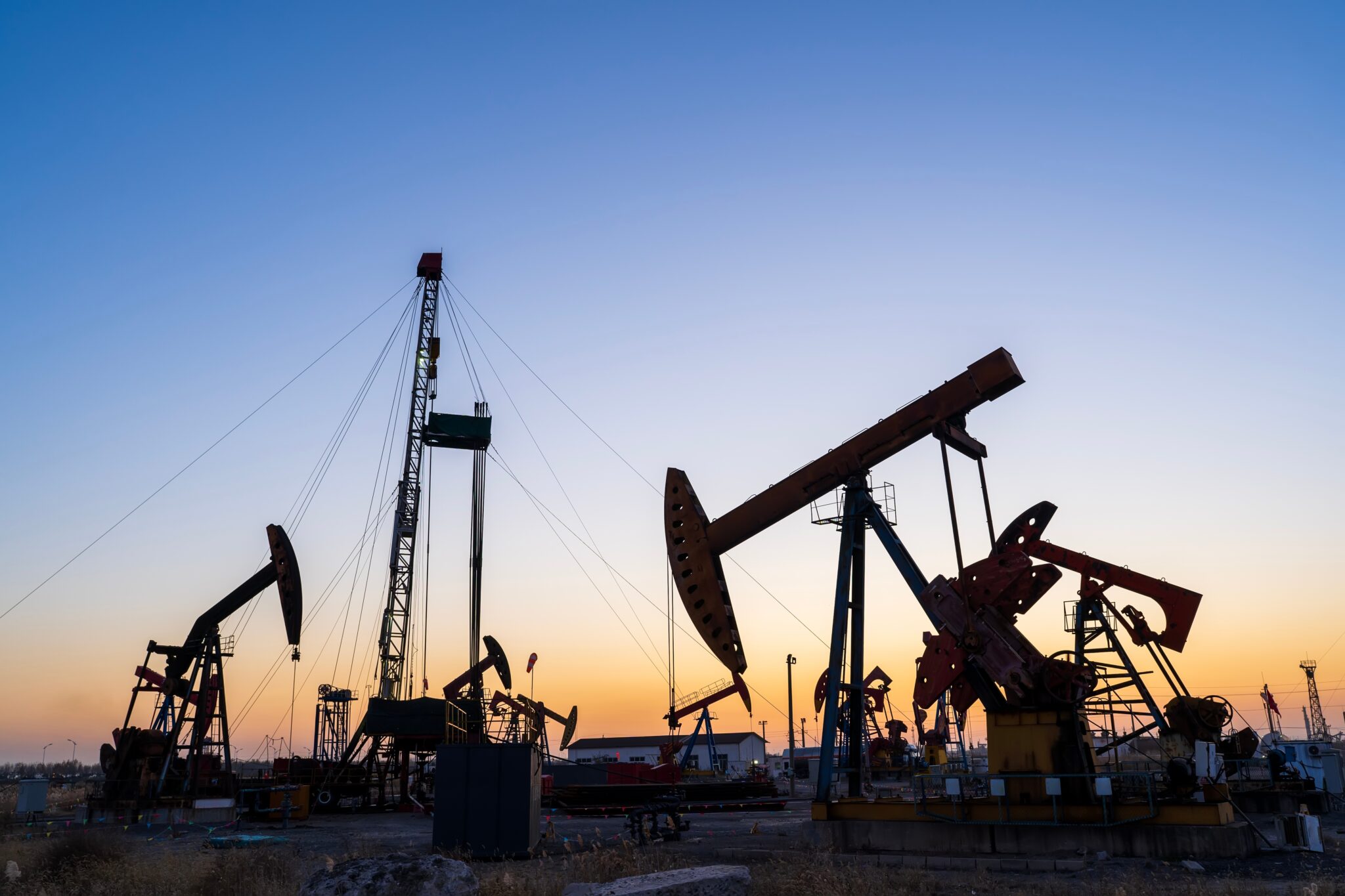
The ongoing conflict in Iran continues to significantly disrupt oil exports through the Strait of Hormuz, making it difficult for the group to navigate energy prices and control its market share.
Unlike in previous periods, when the alliance’s supply decisions exclusively dictated the direction of global markets, the energy ministers’ moves now have only a limited impact.
Completion of Previous Cut Phases and the Outlook Ahead
Last August, the member states agreed on a planned production increase for September, completing the phased removal of supply cuts totaling 1.65 million barrels per day that were first announced in 2023.
Despite the agreed easing, the group continues in practice to produce volumes significantly below its targets because of wartime disruptions. In addition, most alliance members maintain another layer of cuts intended to remain in effect through the end of 2026, while decisive discussions on the gradual removal of this layer and the return of oil to the markets are expected to gather momentum later this year.
Surge in Oil Prices
Against this backdrop, a wave of security tensions in the Middle East, including direct exchanges of strikes between the U.S. military and Iranian forces, is causing severe anxiety in financial markets and has sent global oil prices in recent days to their highest level since the end of July.
At the center of the concerns is the Strait of Hormuz, the critical maritime shipping artery through which a substantial share of the world’s energy supply passes, with the main concern being prolonged supply chain disruptions and mounting pressure on stock and bond markets.