Oil prices are trading lower this morning, after increased oil flows from the Middle East to global markets were joined by the decision by G7 countries to release oil and diesel from their emergency reserves. The two factors are increasing market supply and easing some concerns about a shortage.
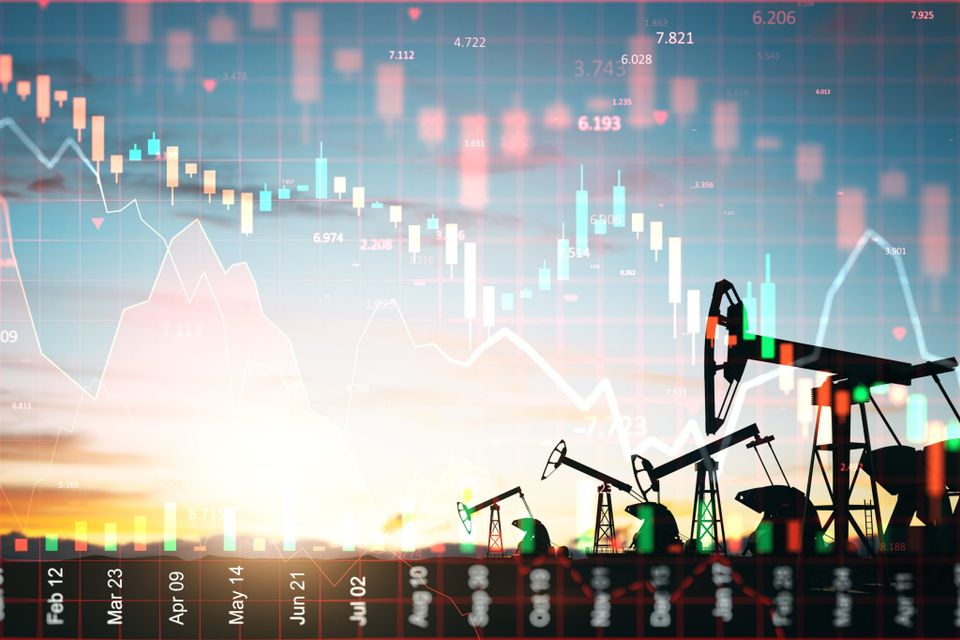
A barrel of Brent is trading down about 0.65% at around $101.59, while WTI futures lost about 1.03% to around $90.12. Last week, Brent gave up a significant portion of its gains, while the price of WTI weakened by 1.6%.
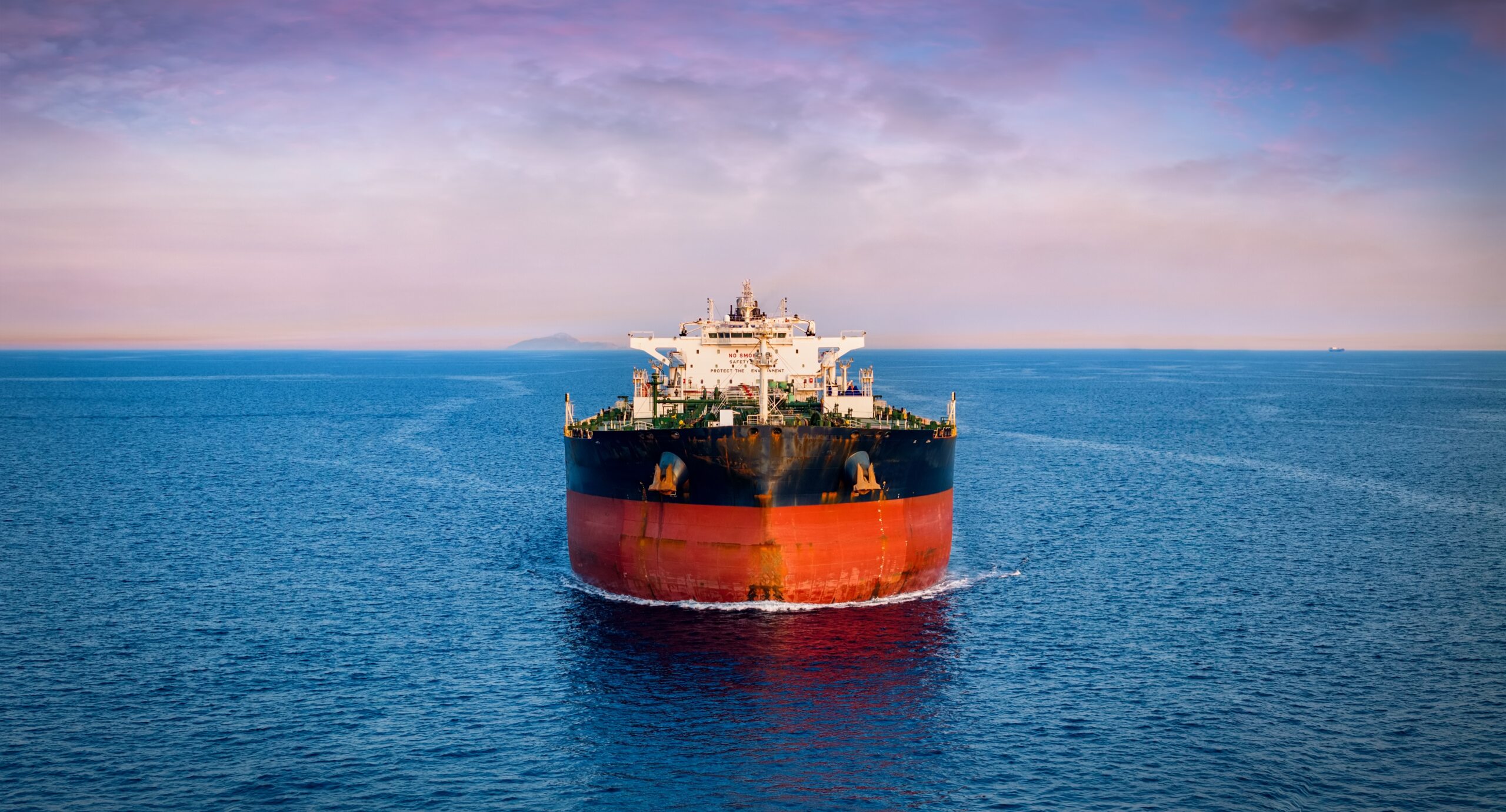
Over the weekend, G7 countries decided to release 100 million barrels of crude oil and diesel from their emergency reserves into the market. At the same time, they pledged to refrain from imposing restrictions on energy exports, following pressure from U.S. President Donald Trump.
The move is being accompanied by a recovery in export activity from the Middle East. Shipping data indicate that on four of the final seven days of September, export volumes in the region exceeded the levels recorded before the war, despite attacks on vessels passing through the Strait of Hormuz.
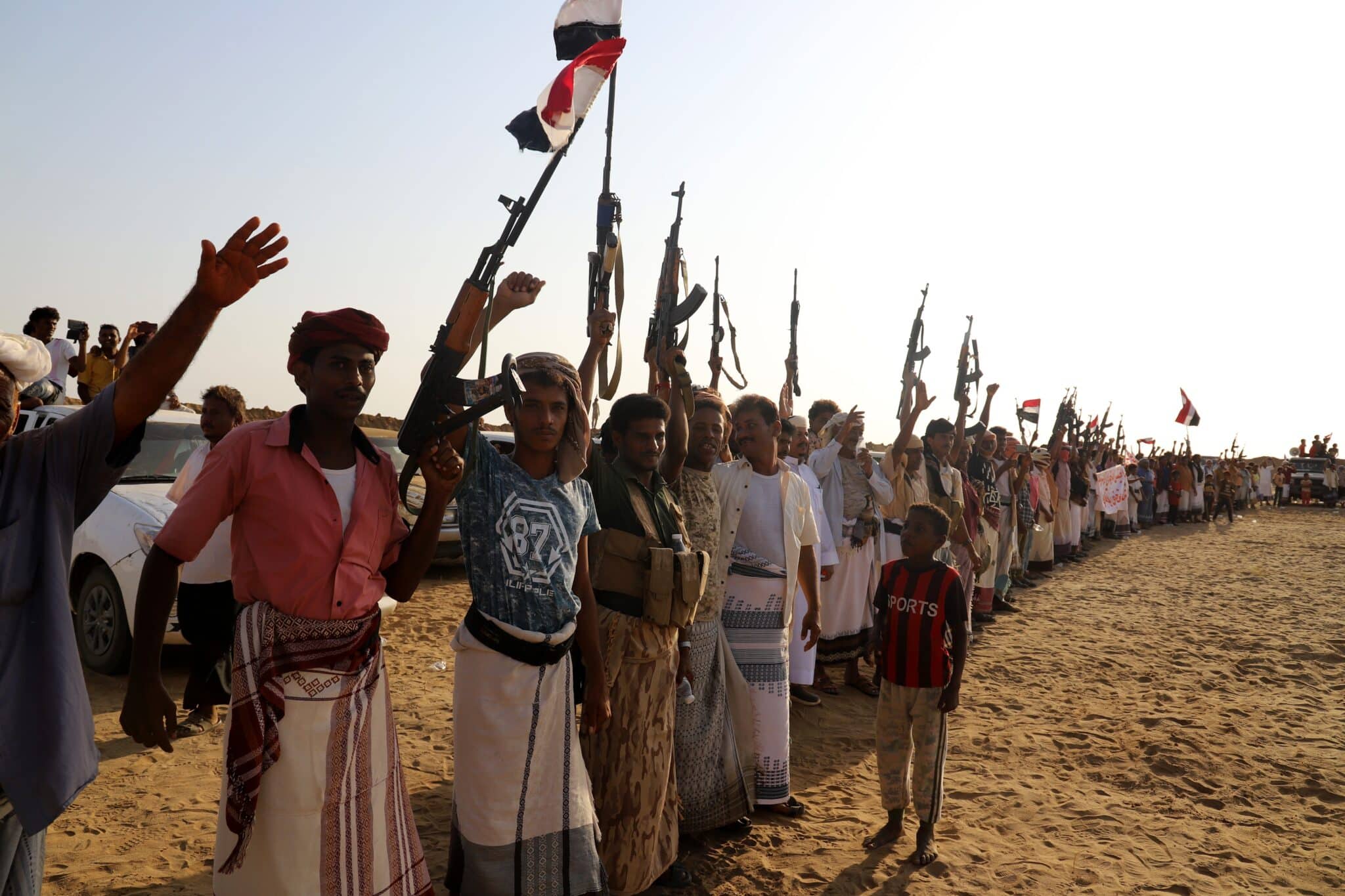
Meanwhile, tensions in the region persist, with the Houthi rebels claiming that they launched ballistic missiles and UAVs at Saudi Aramco facilities in Riyadh and the Khurais region of Saudi Arabia. The group said this was in response to 50 airstrikes and missile strikes that it claimed were carried out by the Saudi-led coalition in Yemen during the preceding 12 hours.
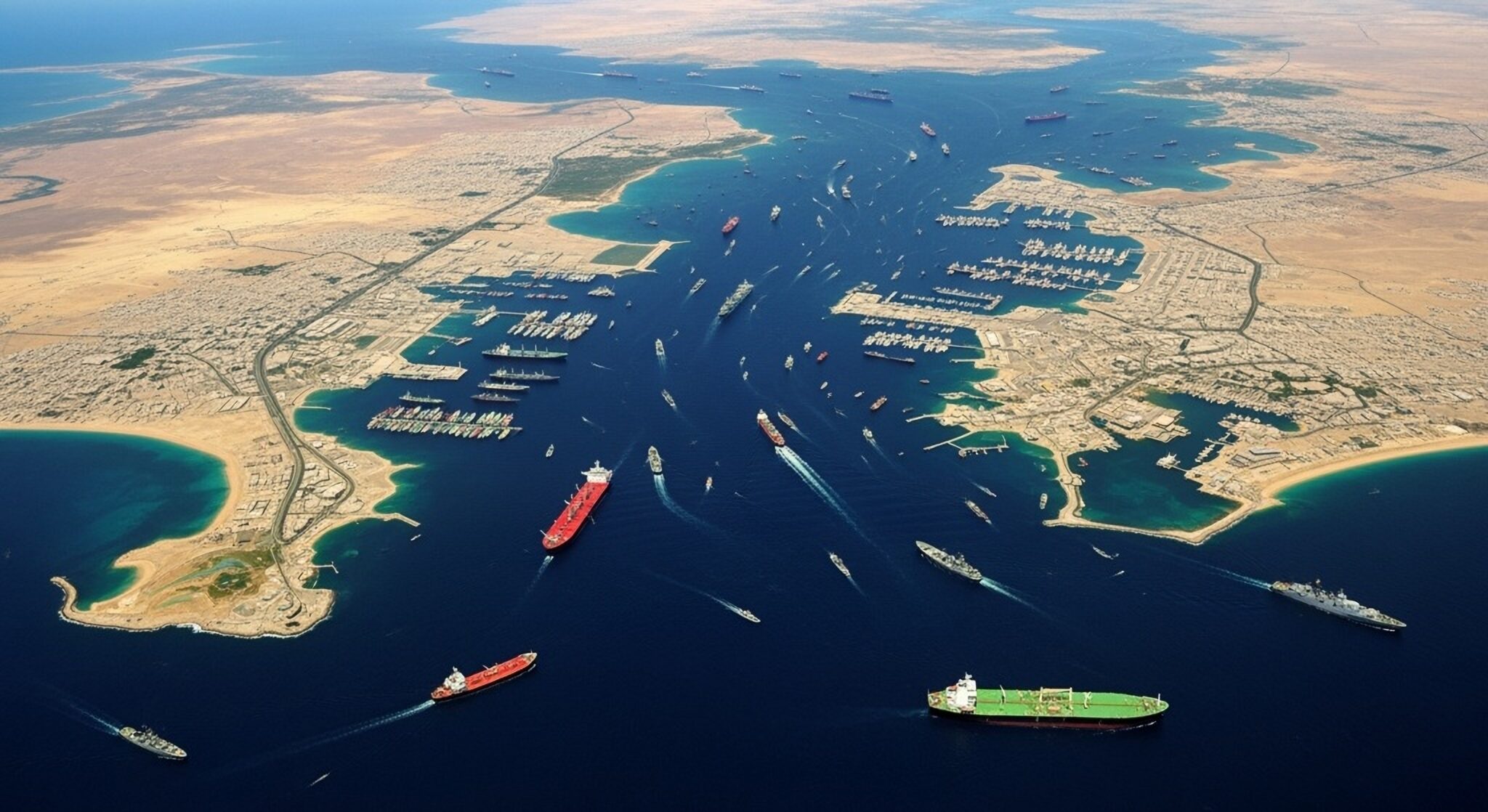
The Yemeni front itself is also expanding. Yemen’s internationally recognized, Saudi-backed government announced yesterday the launch of a broad military campaign aimed at retaking the territories held by the Iran-backed Houthis.
At the same time, Aramco surprised the market and cut crude oil prices for its Asian customers in November to their lowest level in six years.
Despite these developments, the price of Brent remained above $100 a barrel.
Supply forecasts for next year have also become more complex. OPEC+ postponed a review intended to help determine oil production quotas for the group’s members in 2027. The war with Iran disrupted projects to expand production capacity in the Middle East.
Alongside developments in the Middle East, Russia’s energy industry is also being targeted. Ukrainian President Volodymyr Zelenskyy told Reuters that Kyiv would step up attacks on refineries in Russia, according to remarks made in an interview published Saturday.