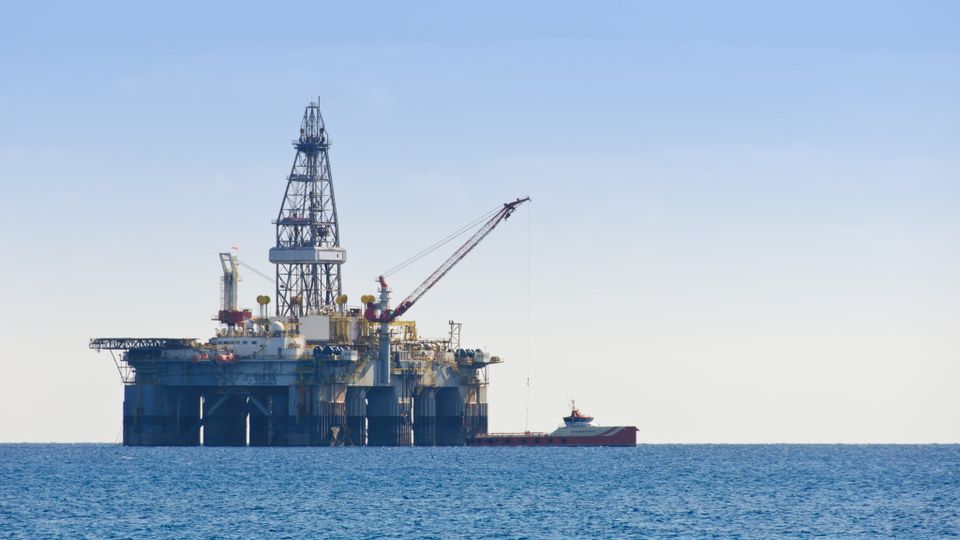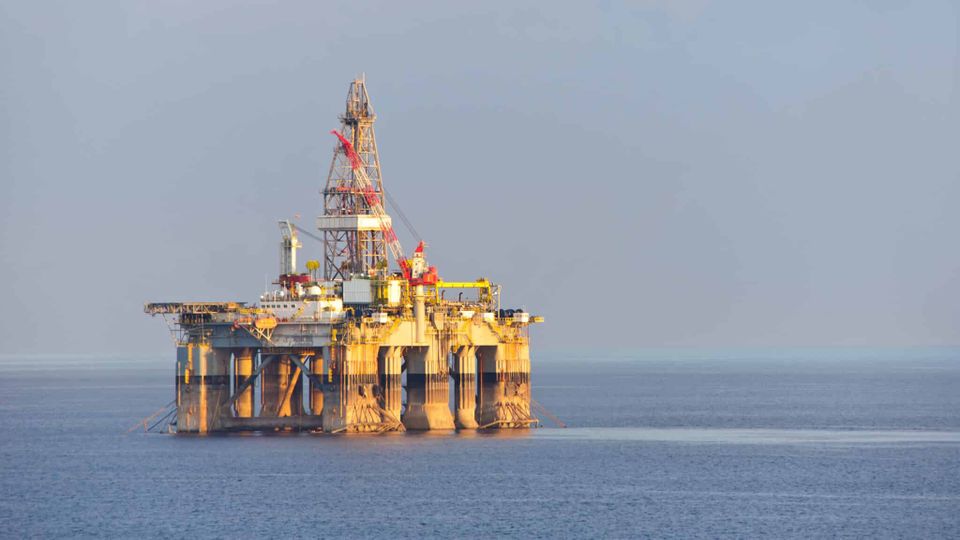
Oil prices are surging by about 4% today and the euro is weakening amid growing concerns over escalation in the Middle East and inflationary pressures. The price of a barrel of Brent rose 3.9% to $104.11, while the price of a barrel of WTI climbed 3.9% to $91.70. In the foreign exchange market, the euro continued to weaken and remained around the lows most recently recorded in June 2025, amid concerns over France’s high debt level.
The surge in oil prices follows reports that the Trump administration is considering options for additional strikes in Iran ahead of the US midterm elections in November. The concern is that further escalation in the region will disrupt the oil supply and lead to another increase in prices.

Concerns intensified following a report in The Atlantic that the White House had asked the Pentagon to prepare options for action against targets in Iran ahead of the elections. According to the report, the scope of the operation and the targets have not yet been determined, and the possibility of a broader operation after the November 3 elections is also under consideration.
Developments surrounding the Strait of Hormuz are also increasing concerns about disruptions to the oil supply, alongside warnings from industry executives that global inventory levels are being steadily depleted. Oil prices received a further boost from supply disruptions in the US after a partial shutdown of oil production in the Gulf of Mexico ahead of Tropical Storm Isaias limited output.
Oil prices had fallen at the beginning of the week after the market received indications of a recovery in exports from the Middle East and an increase in supply through the emergency reserves of G7 countries. However, the possibility of an additional oil release from the strategic reserves of International Energy Agency member countries failed to reassure investors.
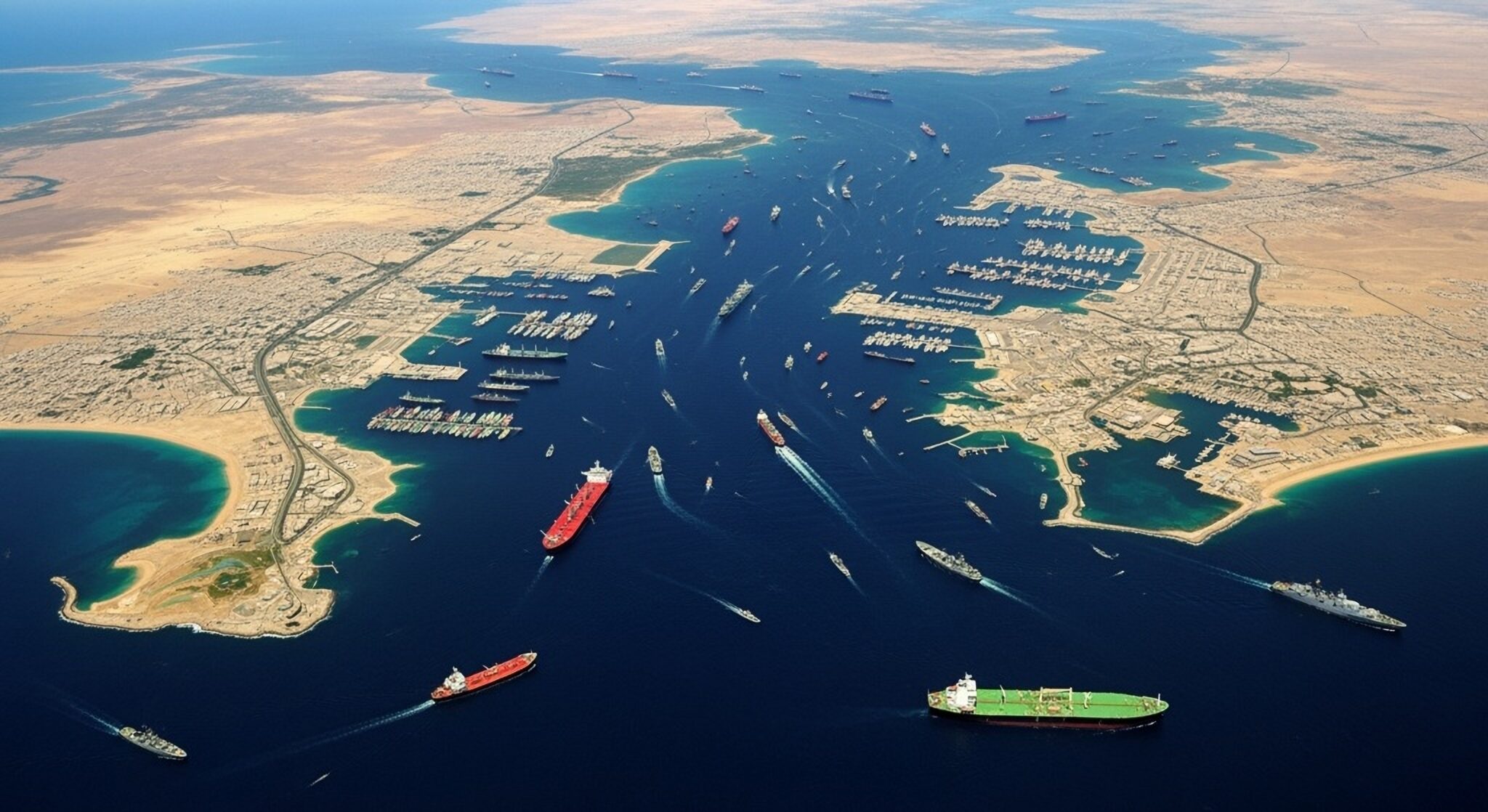
The sharp increase in oil prices has put concerns about accelerating inflation back at center stage. At the same time, government bond yields climbed to levels not seen in years, increasing pressure on growth and technology stocks.
The pressure also spread to stock markets around the world. Leading indexes in Asia retreated, with the Nikkei down 1.4%, the Hang Seng weakening 1.4% and Shanghai falling 0.8%. In Europe, the FTSE 100 fell 0.6%, after all three major Wall Street indexes also declined the previous day.
US monetary policy also continues to occupy investors. Minutes from the Federal Reserve’s September meeting reinforced expectations that the US central bank may raise the interest rate once more by the end of the year. According to the minutes, most committee members believed that another increase would likely be warranted.

Some Fed members believed that the previous interest rate level had not put enough pressure on economic activity, while signs of renewed strength in the US economy appeared at the same time. The combination of more expensive oil, persistent inflation and high interest rates could continue to weigh on the markets.
Meanwhile, investors are preparing for earnings season, with technology companies expected to be in focus. Investors will examine whether revenue and profits justify the high valuations of the stocks and the enormous investments in artificial intelligence.
https://tv10.co.il/capital-market/world-stock/118080/embed/#?secret=se4SaWuvJX#?secret=J6neAsl83K
Even particularly strong results failed to prevent a decline in Samsung shares. The chipmaker expects operating profit to surge 782.5% in the third quarter to 107.4 trillion won, but the forecast was slightly below analysts’ estimates.
The Dow Jones closed down 0.7%.