
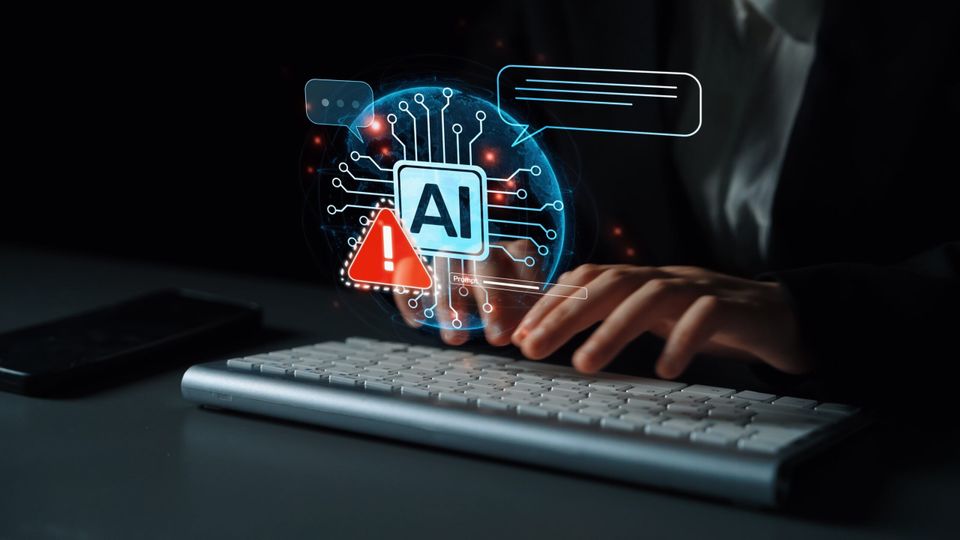
The race to integrate artificial intelligence technologies is bringing the economy and the public sector to a critical crossroads between a surge in efficiency and unprecedented security risks.
At Bynet Data Communications’ Public Sector Summit 2026, held in Jerusalem, the heads of the national cyber and digital directorates joined senior high-tech industry executives to discuss the economic and security implications of the transition to widespread use of artificial intelligence agents and advanced cloud infrastructure.
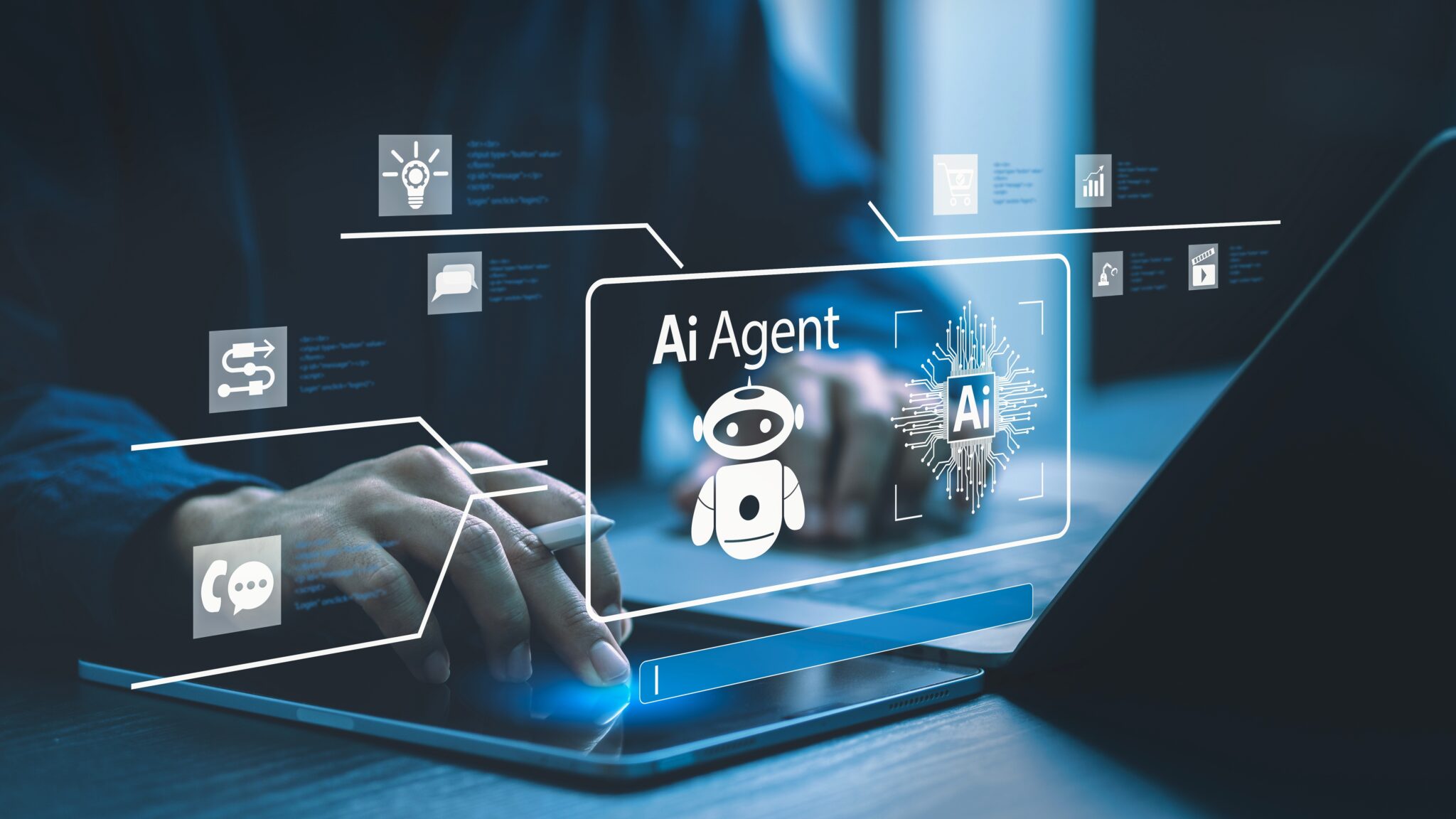
The discussions reflected the complex reality in which organizations are required to streamline services to citizens and improve productivity while the digital threat landscape is becoming a continuous and sophisticated campaign.
Threat to Operational Continuity and the Supply Chain
Israel National Cyber Directorate Director-General Yossi Karadi warned that Israel is facing the first cyber and AI war. According to the latest Microsoft report, Israel is the most attacked country in the world relative to its size and second overall after the United States.
Karadi emphasized that in the current era, the center of global power is shifting toward the technology giants, while attackers enjoy a speed advantage in adopting open models compared with state defense and regulatory mechanisms.
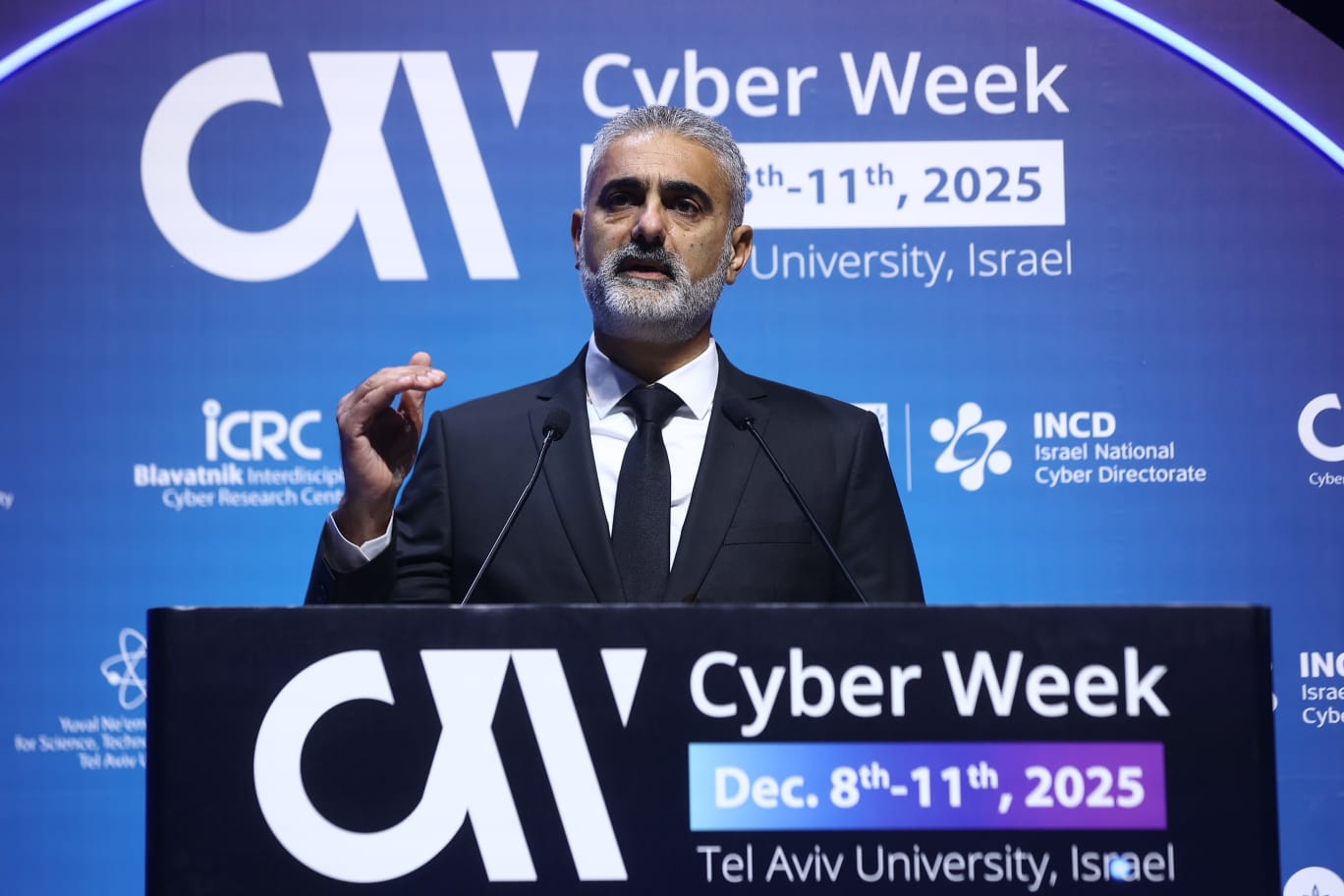
The main scenario the National Cyber Directorate is warning about is not a single strike but a digital war of attrition, in which the rate of damage to essential infrastructure such as energy, water, electricity and communications could exceed the economy’s rate of recovery.
The most significant vulnerability remains the supply chain and digital services, where a single action by an IT professional could put entire organizations at risk, a situation requiring an immediate conceptual shift among management teams and boards of directors.
Growth Opportunity for the Local High-Tech Industry
Alongside the threats, the technological revolution is creating clear growth engines for the Israeli economy. Bynet Data Communications CEO Alon Ben Tzur rejected claims that Israel has fallen behind in the global AI race and cited two key structural advantages of the local market.
First, the strength of the local cyber industry, which includes 29 of the 60 leading Cyber Fortune companies, provides an essential foundation for the secure implementation of artificial intelligence tools in organizations.

Second, the structure of the Israeli workforce, which does not rely on mass production, makes it possible to use automated code writing to free up human capital for high-value-added planning, specification and entrepreneurial tasks.
Ben Tzur estimated that changes in the labor market would lead to structural shifts rather than mass unemployment, although the temptation to connect AI agents to sensitive organizational information requires the establishment of isolated and secure AI Factory environments.
From Experiments to Implementation: Automating the Public Sector
At the government level, the focus is shifting from experiments and pilot programs to broad implementation that will directly affect services to citizens and state expenditures.
Brig. Gen. (res.) Nati Cohen, head of the National Digital Agency, presented the goals of the 2030 Digital Compass, which focus on automating thousands of bureaucratic processes, generating data-based insights for decision-making, and establishing governance and oversight infrastructure.

Successful implementation of autonomous agents in public services requires close integration into workflows alongside human oversight points, strict limits on permissions and network segmentation.
These measures are intended to streamline the government apparatus while ensuring digital resilience, as part of a multiyear plan for a secure transition to the cloud and early preparation for quantum computing threats.
Insights for the Secure Implementation of Artificial Intelligence Agents
During the conference, six key insights were formulated to chart the path for integrating autonomous agents into public and business organizations without exposing systems to critical vulnerabilities.
The first concerns the accuracy and reliability of responses, which begin with a deep familiarity with the organization and the provision of controlled and relevant access to internal information sources.
The second insight emphasizes that operational value is created when agents are integrated directly into workflows and the handling of service requests, alongside employees and subject to defined end-to-end human approval points.

The third insight states that oversight processes do not end at the launch stage but begin during secure development and require continuous monitoring of the quality of agents’ responses and actions.
Accordingly, the fourth insight makes clear that information security must be an integral part of agent design, with strict boundaries defined in advance to prevent manipulation, deception and misuse in real time.

On the prevention front, the fifth insight indicates that confronting autonomous attacks requires proactive defense and the use of dedicated artificial intelligence models for the early detection and containment of threats.
Finally, the sixth insight underscores that organizational resilience is measured in the moment after a breach, and that limiting access permissions alongside network segmentation constitutes a vital line of defense for blocking lateral movement and preventing damage from spreading to critical systems.