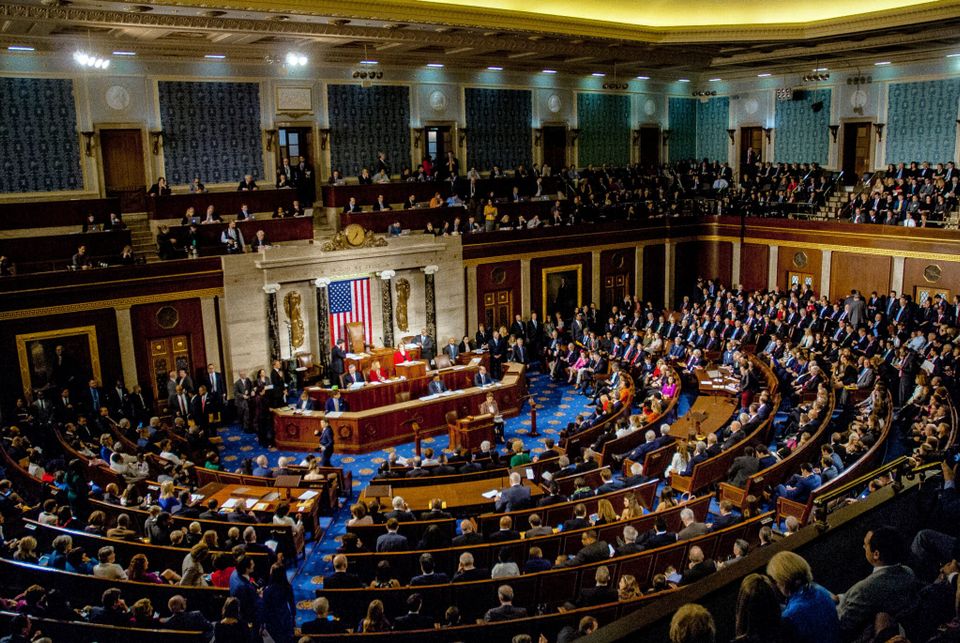
The United States House of Representatives approved overnight (between Wednesday and Thursday) a sweeping sanctions package against Russia over the war in Ukraine, in the most significant legislative move against Moscow since Donald Trump returned to the White House. The law passed by a vote of 262 in favor to 159 opposed, after being approved by the Senate last month by a vote of 86 to 11.
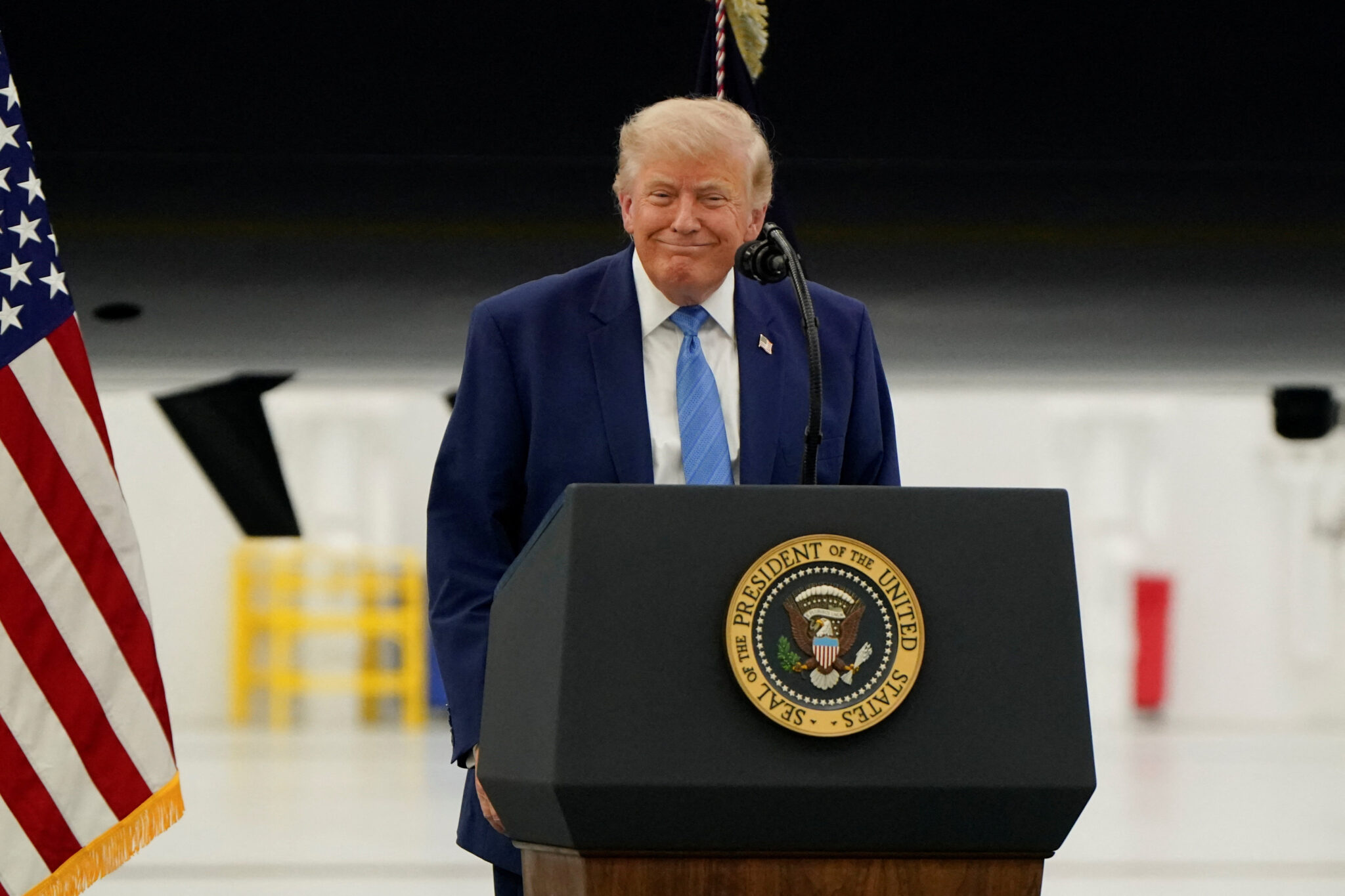
The legislation now awaits the signature of President Trump, who has already said he intends to sign it. The package includes sanctions against Russia's energy and defense sectors, as well as against President Vladimir Putin and other senior officials. It also targets Russia's shadow fleet, consisting of aging tankers used by Moscow to circumvent the existing sanctions regime.
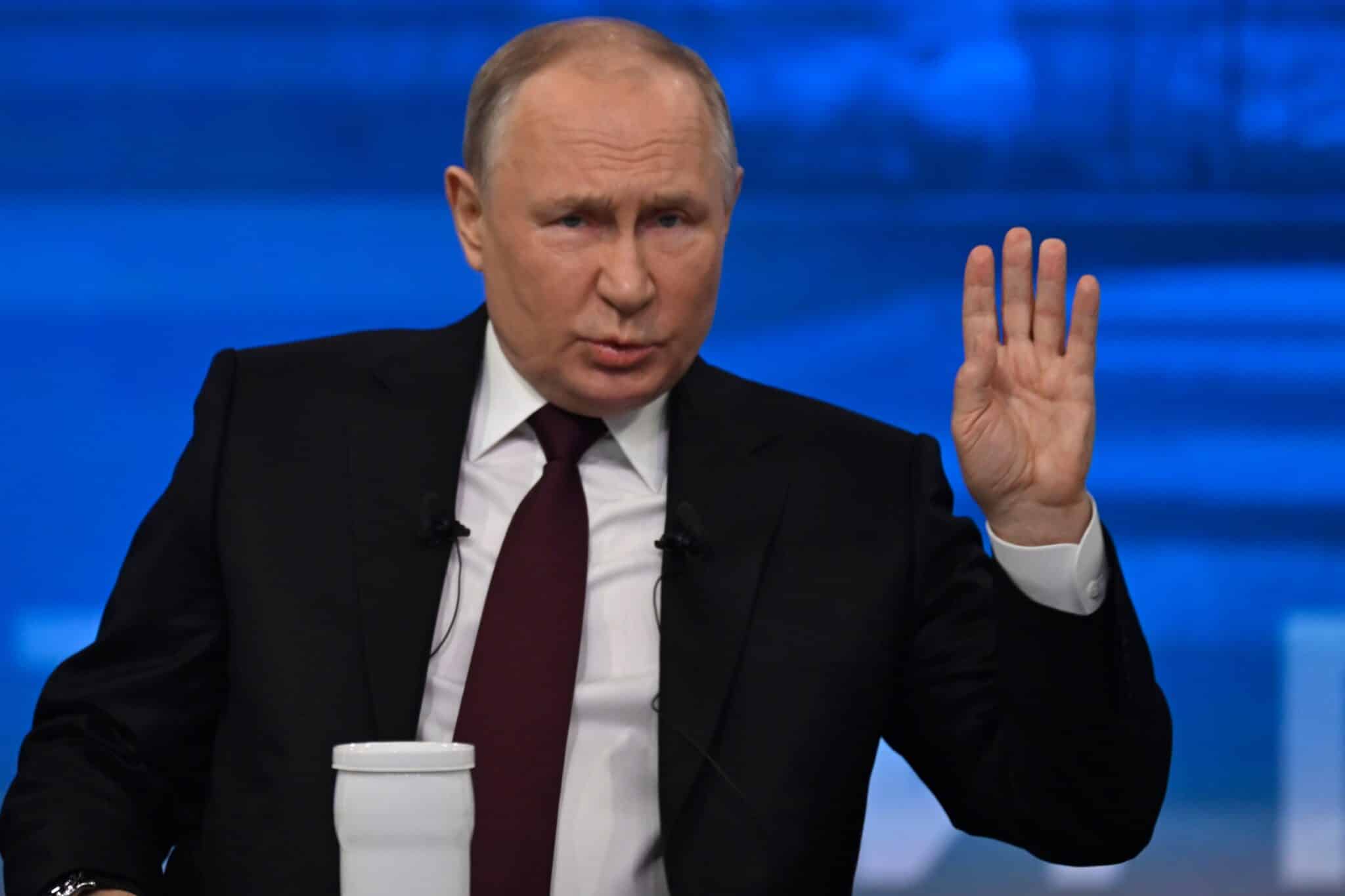
Who Is Expected to Be Affected?
One of the law's key and controversial provisions allows Trump to impose secondary sanctions on countries that continue to purchase oil and gas from Russia. The sanctions could also take the form of tariffs, with China and India considered the two main countries that could be affected by the move. The legislation also includes an expansion of US sanctions against Iran.
The bill was drafted in April 2025 by Republican Sen. Lindsey Graham, who died in July. Trump previously delayed advancing the legislation, in part because of his desire to retain control over tariff and sanctions policy and not transfer additional powers to the US Congress.
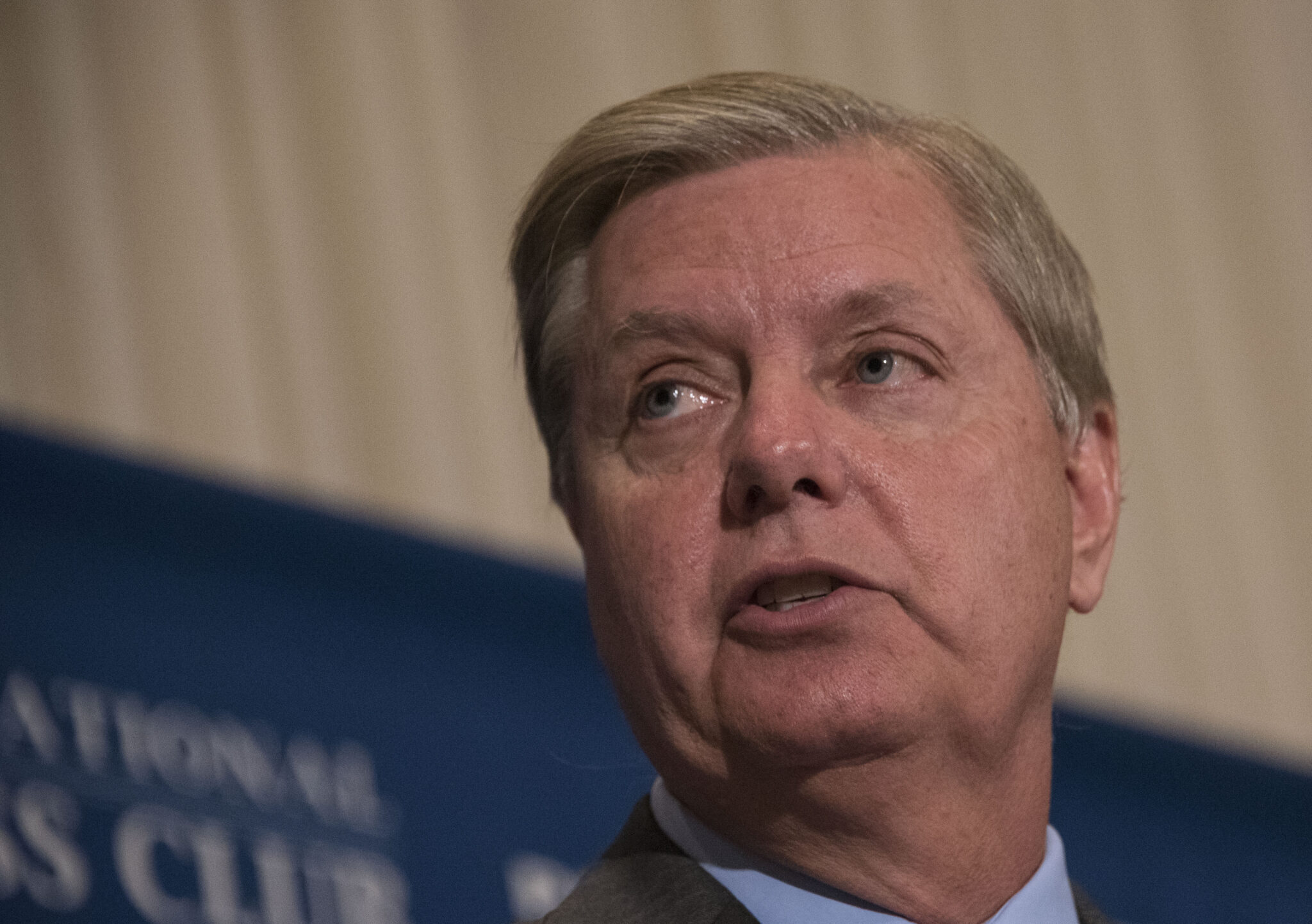
Why Was the Law Opposed?
The law received bipartisan support but drew opposition from members of both parties. Among Democrats, the party's leadership in the House opposed the legislation, arguing that it expands Trump's authority over tariffs, even though they said the president already has the authority to impose sanctions on Russia.
House Democratic leader Hakeem Jeffries said the legislation gives Trump very broad authority to impose tariffs that could affect American consumers. Several Republicans also opposed the bill, mainly over concerns that additional tariffs would raise product prices in the United States, particularly ahead of the midterm elections to be held in November.
Supporters of the law, however, argue that it is intended to increase economic pressure on Russia and strengthen US leverage against Moscow. Ukraine welcomed the legislation's advancement. Ukrainian President Volodymyr Zelenskyy met with members of Congress to encourage the law's passage and even watched the preliminary procedural vote from the House chamber.