The launch of Tesla's Cybercab in Texas is an earthquake, both because it marks the beginning of the end for human drivers and because it could restore Tesla to its former glory.
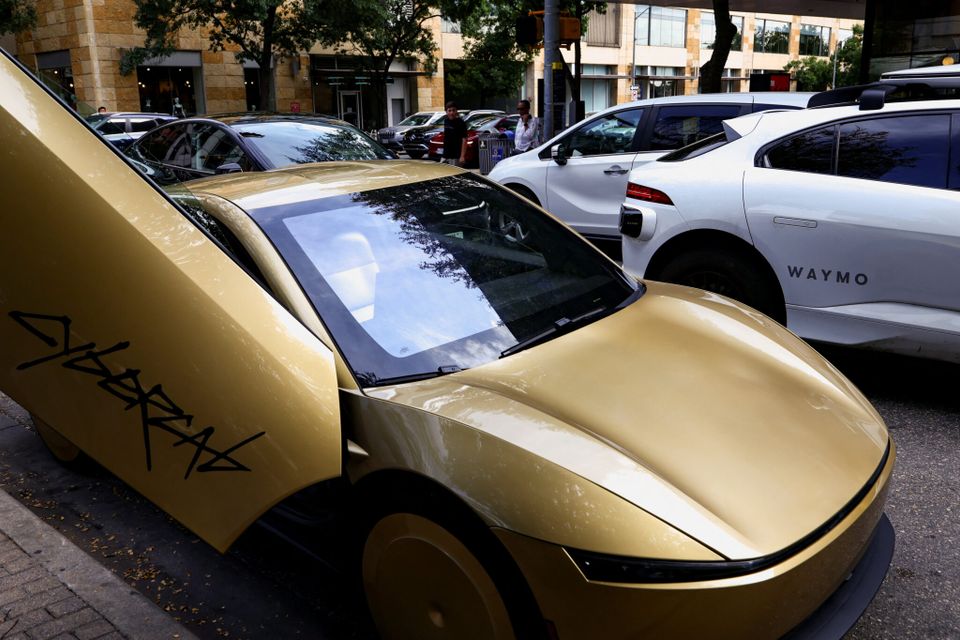
Tesla's Cybercab is an autonomous taxi that began operating only very recently in Austin, Texas.
What is interesting about it is that it has no steering wheel or pedals, unlike the various robotaxis that have already been operating for several years. It is designed to operate completely autonomously, with no possibility of human intervention, which is why it began its pilot program in regulation-friendly Texas.
But the technology behind this vehicle is the real story, and the market appears not yet to have grasped its far-reaching implications.
https://www.youtube.com/embed/grdt05okn3Q?feature=oembed
Autonomous vehicles have traditionally relied on a three-dimensional map of the city in which they operate and a complex array of sensors that includes lasers, radar and cameras.
Using this method, autonomous vehicles can navigate even in the dark and in poor visibility conditions, but the need for meticulous mapping of the city and analysis of the data from all the sensors makes the process cumbersome and energy-intensive. In addition, the sensor array drives up the vehicle's production costs, while its placement on the roof increases drag and reduces driving range.
Tesla removed all the sensors and kept only the cameras. It also abandoned all the algorithms designed to identify patterns in scenarios and road signs, leaving an artificial intelligence system to decide what to do in real time based on video analysis.
The goal is to replicate the way human drivers operate. If we can drive using two eyes and a brain, there is no reason a vehicle cannot carry out the same process.
This magic is made possible by Tesla's vast assets — countless hours of video from the vehicle cameras of Tesla cars around the world, advanced artificial intelligence and processing chips it develops independently.
In practical terms, this means Tesla is managing to produce a particularly efficient autonomous vehicle that is inexpensive to manufacture, easy to deploy and has no sensor array on the roof.
The success of this pilot could be the opening shot in the end of the era of human drivers. Humans are terrible drivers, both because of irresponsibility and ego and because of fatigue and lack of concentration. If a computer vision model is proven capable of driving better than we can, there will no longer be any justification for the continued chaos on the roads, and human drivers will be outlawed.
The success of the pilot would also restore Tesla to its former glory. After it brought the electric vehicle to market, competitors around the world have been snapping at its heels and eroding its market share. The birth of the autonomous vehicle could restore it to the top spot in a big way.