You do not need to be a sophisticated investor with extensive knowledge to know that investors in residential real estate stocks on the local exchange have had little reason for satisfaction over the past 2 years. The TA-Construction Index has plunged by no less than 21% over the past 12 months. A combination of rising interest rates and war has led real estate prices to moderate and even decline across the country.
Many residential real estate companies have been hit even harder than the decline in apartment prices. There are 2 reasons for this: 1. Land for residential construction is more sensitive to a rise or fall in apartment prices because construction costs are fixed. If I bought land for NIS 1 million per housing unit, while the cost of building a housing unit is NIS 1 million, then the “break-even” point — disregarding loans and the time value of money to simplify the example — is NIS 2 million.
If the apartment price fell by 25% to NIS 1.5 million, the construction cost would remain NIS 1 million per housing unit, while the land value would plunge by 50% to NIS 0.5 million per housing unit just to reach break-even. 2. Many contractors expected significant price increases when they submitted bids for land and therefore bought land for more than the prices at which apartments were sold over the past 2 years.
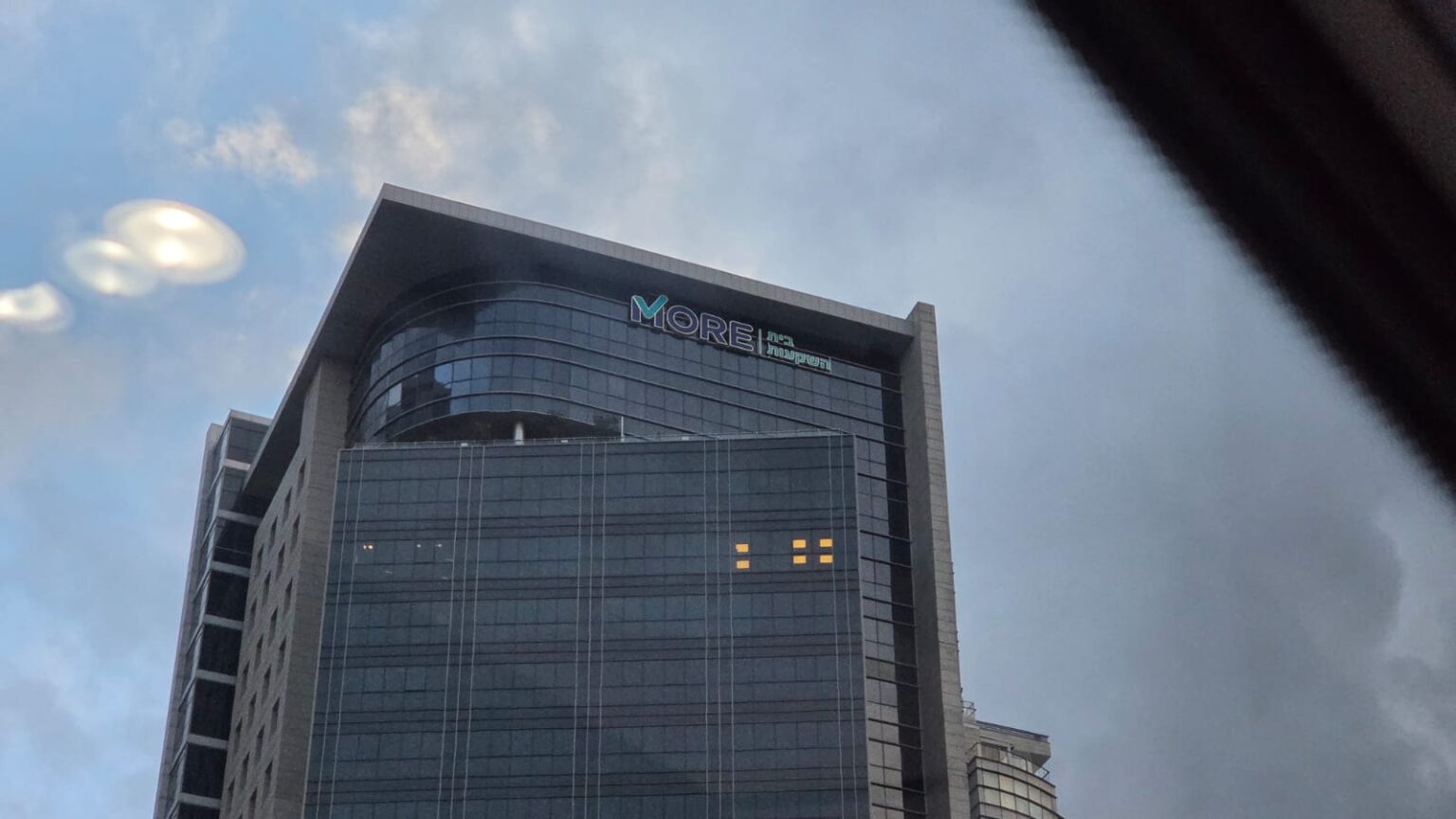
Now back to the micro level: Exactly 2 years ago, on November 4, 2024, Samir Matzlawi, the controlling shareholder of publicly traded Matzlawi, sold a significant portion of his holdings in the company — about 13% of the company’s shares — to More Investment House at a significant discount. In total, More bought Matzlawi shares for about NIS 36 million at a price of about 1,196 agorot per share.
Since then, along with the rest of the sector, Matzlawi’s stock has plunged to a current price of about 1,078 agorot as of this writing, which should have generated a loss of millions of shekels for More Investment House — but the following mechanism, buried in a note to the disclosure, allowed it to make millions:
The buyer was guaranteed a return of 8% a year for 2 years from the purchase price, including an adjustment for any future dividend distribution. In addition, under the agreement, the seller undertook, among other things, that for a period of 12 months from the date of the sale of the shares, he would not sell any shares in the company at a price lower than the transaction price and/or at a price reflecting a discount of more than 10% to the company’s share price, and that during the settlement period his holdings in the company would not fall below 45% of the company’s issued and paid-up capital.
From Matzlawi’s disclosure to the TASE
In other words, More received full downside protection from the controlling shareholder, as well as a guaranteed annual return of 8%. Today, Tuesday, as of this writing, the mechanism’s calculation period is scheduled to end. This means Matzlawi will have to return about NIS 7 million to More. That will make the transaction profitable and allow More to earn an attractive return on the investment during a period when other stocks are plunging.
More goes on the offensive and protects minority shareholder rights
More undoubtedly deserves credit for being an activist investment house that knows how to support a company while also protecting minority shareholder rights when necessary. We saw this at Orion and now at Matzlawi as well: More refused to approve the jump in the controlling shareholder’s compensation to an annual payroll cost of about NIS 2.6 million, as well as the jump in his wife’s compensation to an annual payroll cost of about NIS 800 thousand.
In other words, beyond the financial transaction, which was undoubtedly successful, More is also standing guard against pay increases and a significant rise in the company’s general and administrative expenses — at a time when belts undoubtedly need to be tightened.