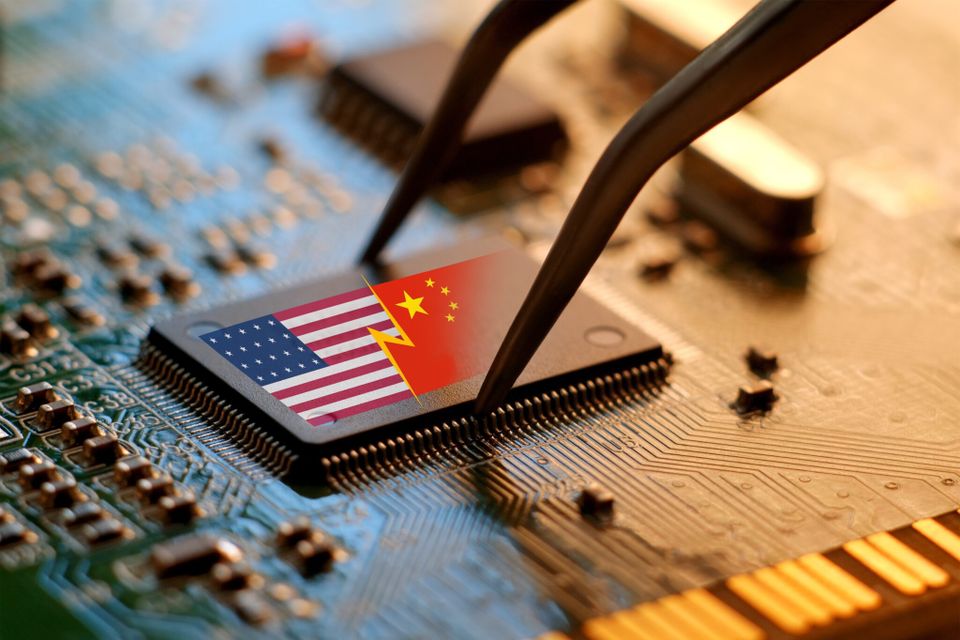
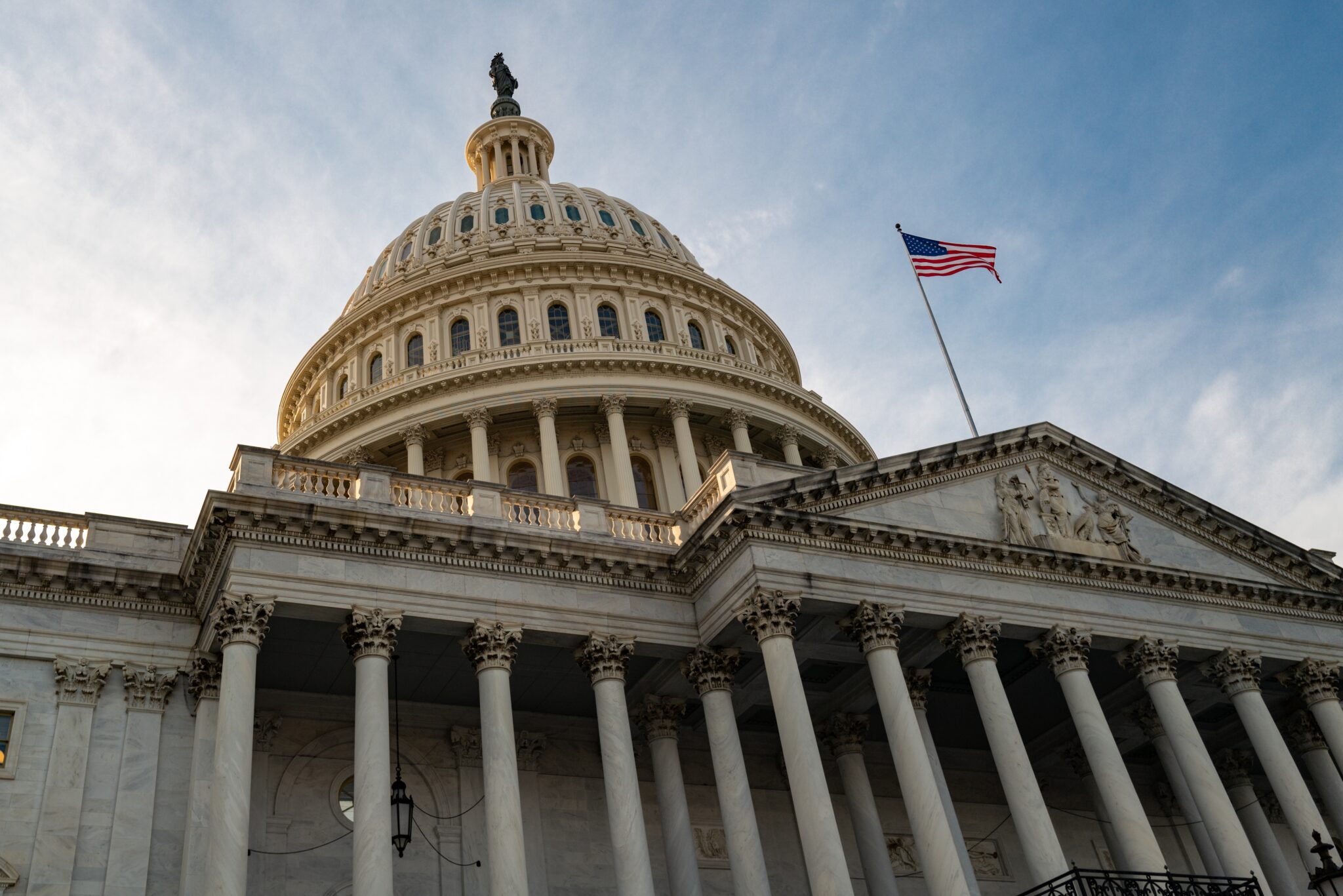
The US Congress is working to advance legislation that would tighten restrictions on exports of artificial intelligence (AI) chips, the Financial Times reported today (Sunday).
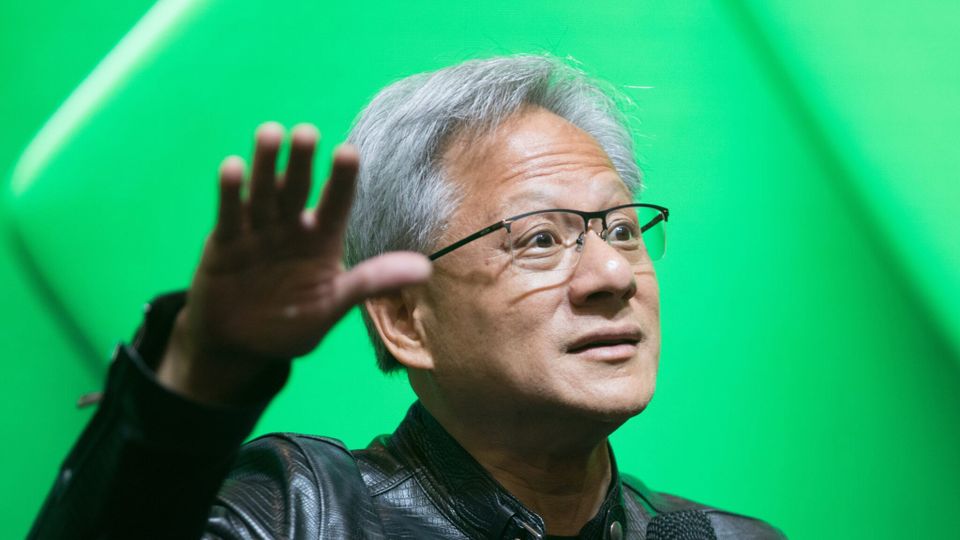
The move is gaining momentum amid the turmoil at Nvidia and the resignation this week of CEO and director Jensen Huang, following his alleged affair with Alice Huang, a former senior executive at Mega-Speed who is suspected of spying for China.
According to the report, the affair has significantly increased the motivation among lawmakers in Washington to stop advanced US hardware from reaching Chinese hands.
Alice Huang has not yet been charged, while Beijing firmly denies the allegations that she is a spy. The political and management drama is unfolding just days before Nvidia releases its third-quarter financial results next Tuesday.
Four Bills on Lawmakers’ Table
According to a Reuters report, lawmakers are pressing to advance at least four bills simultaneously that are intended to close loopholes in the global chip market.
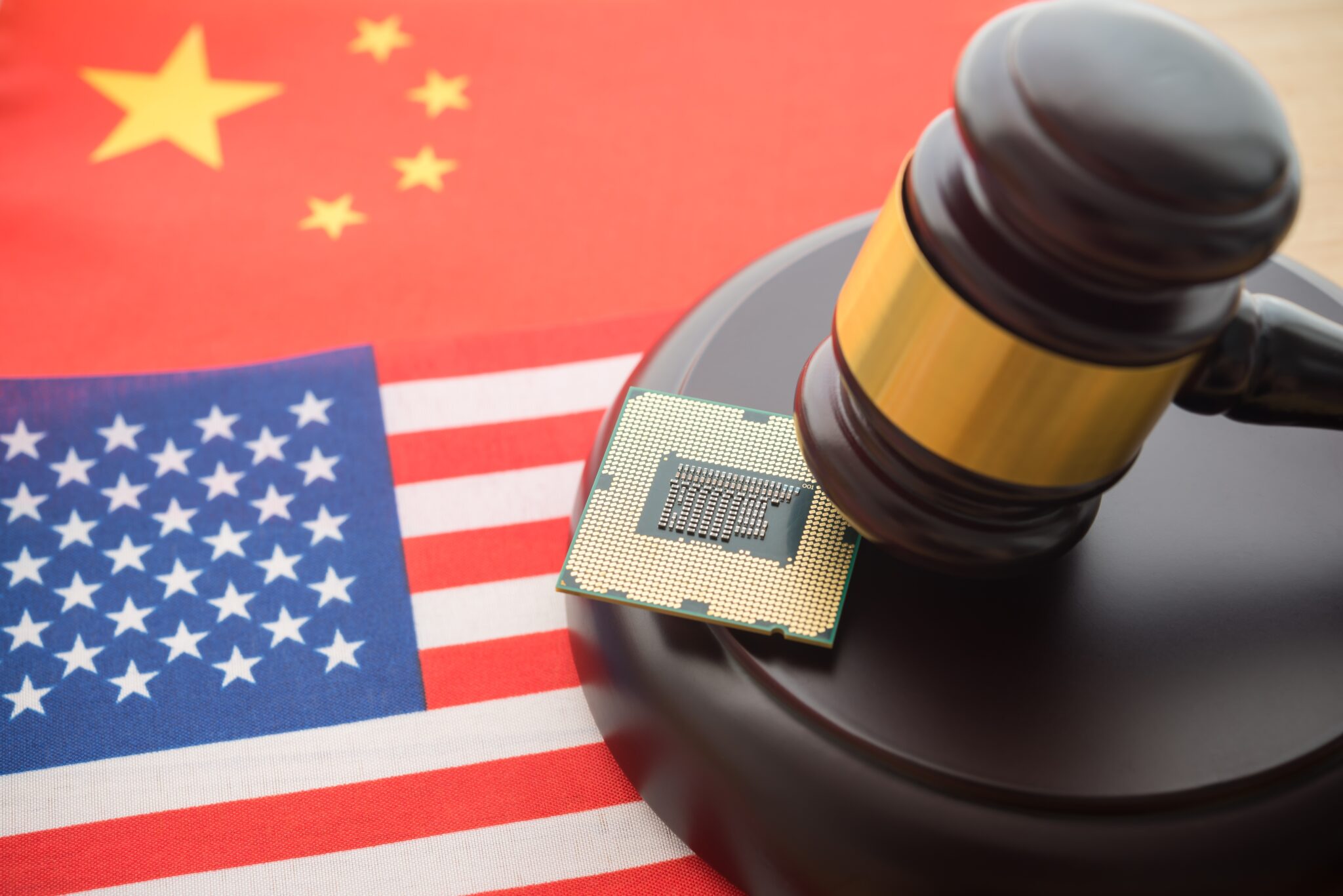
One bill seeks to give the House Foreign Affairs Committee and the Senate Banking Committee the authority to review for 30 days every license to export advanced chips to China and other countries defined as problematic, and even to block the transaction — a move that would effectively put chip sales on par with defense arms deals.
Another bill is intended to require technology companies to track the physical location of their advanced AI processors to prevent smuggling, while a third proposal seeks to pressure US allies to restrict the sale and maintenance of chipmaking equipment destined for China.
The fourth bill seeks to give the US Commerce Department tools to prevent Chinese companies from leasing cloud services and server farms outside China as a way to circumvent restrictions and gain access to Nvidia’s computing power.
The Political Battle and Concerns in the Technology Industry
Three of the four bills have already been incorporated into the Senate version of the annual defense bill, but congressional leaders say no final agreement has yet been reached on keeping them in the combined version from both chambers.
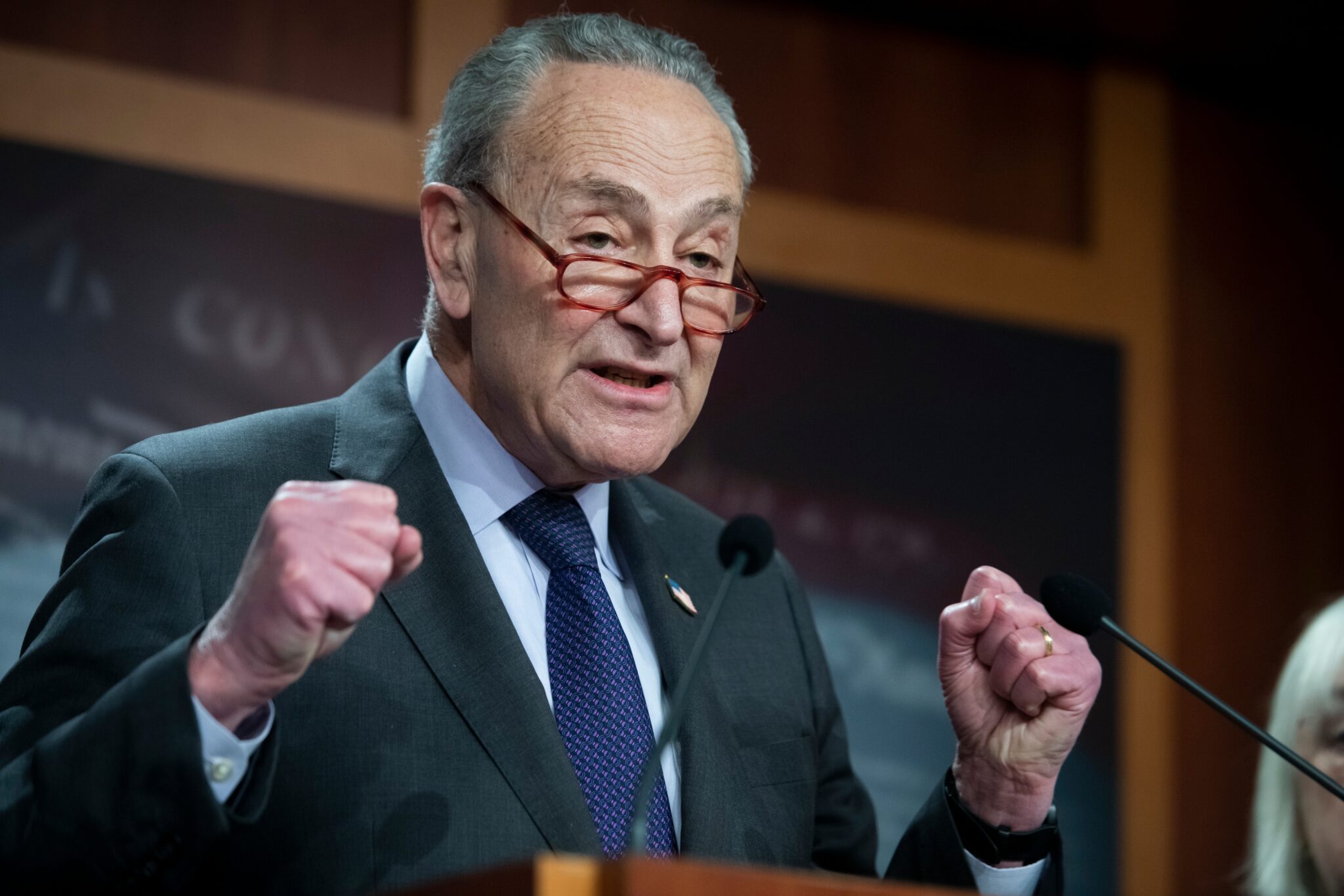
Nevertheless, rare agreement has emerged on both sides of the political divide, with Republican Senate Majority Leader John Thune saying there is a high likelihood that new restrictions will be imposed, House Speaker Mike Johnson pointing to an emerging consensus on the issue, and Senate Democratic Leader Chuck Schumer expressing support for passing the three bills.
Just a year ago, heavy pressure from Nvidia, the chip industry and the White House succeeded in blocking a similar bill and removing it from the defense bill.
Organizations representing the technology sector are again warning that the emerging legislation could harm the standing and leadership of the US high-tech industry, but so far neither the White House nor Nvidia has issued an updated official response to the current wave of legislation.